The Ghana Gold Board (GoldBod) has highlighted the crucial need for an environment of transparency and responsible governance in order to harness the full potential of the country’s gold resources.
This sentiment has emerged in the wake of contrasting opinions expressed by two prominent figures from the New Patriotic Party (NPP), showcasing the complexities involved in managing this vital sector of Ghana’s economy.
“As Ghana navigates these challenges, the outcomes of this discourse will undoubtedly shape the future of its gold mining industry and its broader economic trajectory. The convergence of economic optimism and the demand for accountability remains a critical balancing act for policymakers and stakeholders alike.”
Ghana Gold Board
While former Majority Leader, Hon. Osei Kyei-Mensah-Bonsu has praised GoldBod for its contributions to the nation’s economic recovery, Member of Parliament for Okaikoi Central Constituency, Hon. Patrick Yaw Boamah, has raised serious concerns about the board’s transparency and operational integrity.
This divergence of views underscores the delicate balance required in ensuring the sector’s growth is sustainable and equitable.
GoldBod’s Endorsement and Transparency Impact
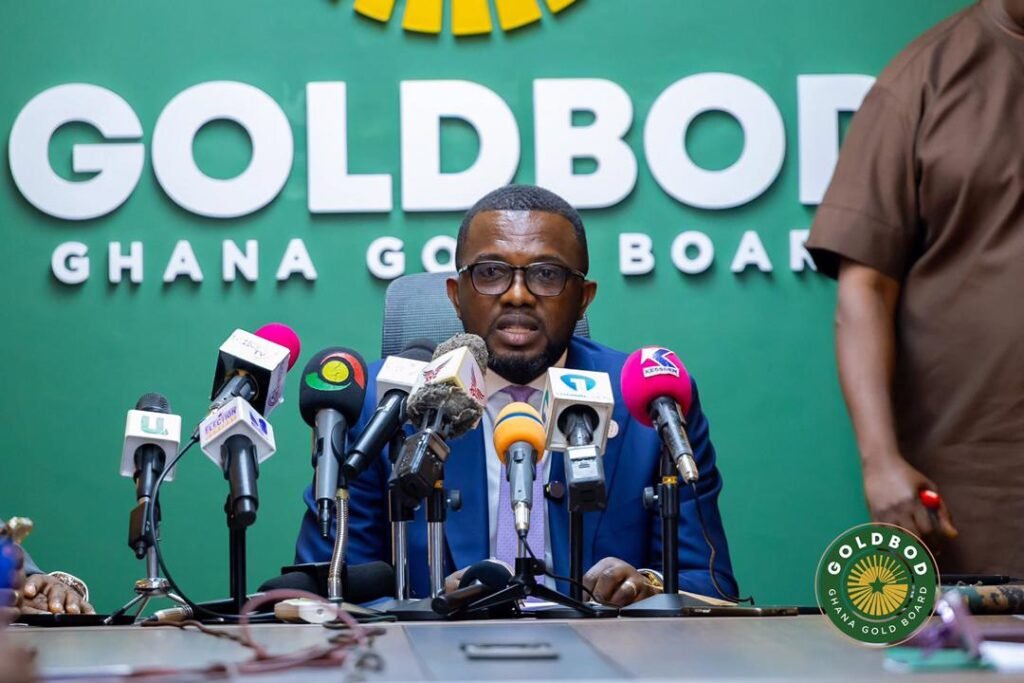
“The Gold Board has not only stabilized the gold market but has also generated over $8 billion in foreign exchange from small-scale gold exports in less than a year,” stated Kyei-Mensah-Bonsu, highlighting the positive economic indicators resulting from GoldBod’s operations.
He also noted that the agency’s exclusive authority to buy and sell all artisanal small-scale mining gold plays a crucial role in regulating the market, contributing to a remarkable reduction in inflation rates.
In contrast, Hon. Boamah expressed his apprehensions regarding the lack of clarity surrounding GoldBod’s funding and licensing practices, describing the situation as “unfortunate.”
He questioned the board’s sources of funding, citing a recent letter from the Ministry of Finance indicating no budgetary support had been allocated to the agency.
“This revelation raises questions about the Gold Board’s funding sources,” Hon. Boamah stated, emphasizing the need for greater accountability in the sector.
Economic Benefits and Governance Concerns

Experts have noted that while the economic benefits of GoldBod are evident, the challenges of governance and transparency cannot be overlooked.
Dr. Vida Ama Serwah, a Ghanaian economist based in the UK, commented, “While the economic benefits of GoldBod are clear, the questions raised about its operational integrity must be addressed to ensure sustainable growth in the sector.“
She further emphasized the importance of constructive support, as shown by Mr. Kyei-Mensah-Bonsu, in fostering an environment where the board can thrive and improve.
The Ghana Gold Board (GoldBod) was established with the aim of regulating and formalizing the small-scale gold mining and trading sector in the country.
Being one of the country’s top exports, the gold mining industry is viewed as a vital contributor to job creation, revenue generation, and economic development.
Gold Board and Economy

GoldBod’s operations have been instrumental in stabilizing the gold market, reducing inflation rates, and generating significant foreign exchange earnings for the country.
The agency’s exclusive authority to buy and sell artisanal small-scale mining gold has been a key aspect of its regulatory role, aimed at combating illegal mining activities and promoting responsible practices.
However, the concerns raised by Hon. Boamah about the lack of transparency in GoldBod’s funding and licensing practices underscore the need for robust governance structures.
Experts have emphasized that while scrutiny is necessary for accountability, it is equally important to acknowledge the positive impacts of regulatory bodies like GoldBod.
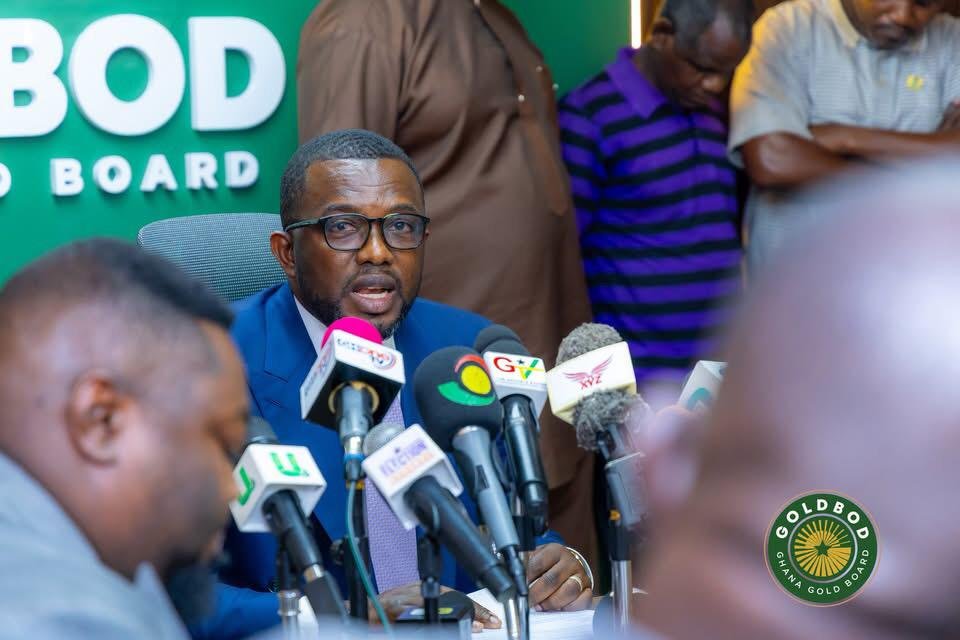
Dr. Victor Kwame Nkrumah, a senior lecturer at the University of Ghana, pointed out that “a transparent and accountable Gold Board is essential not only for the integrity of the gold sector but also for maintaining public trust in governmental institutions.”
The international perspective provided by Dr. Emily Thompson, a mining policy expert based in the USA, further reinforced the importance of balancing scrutiny with recognition of the progress made.
“Bipartisan support for effective governance in the mining sector is vital for ensuring that Ghana can leverage its resources sustainably while gaining the confidence of both local and international stakeholders.”
Dr. Emily Thompson
Fostering environment of these diverge views and sustainable practices will be essential for harnessing the full potential of Ghana’s gold resources, ultimately driving economic growth, job creation, and equitable development for the benefit of the nation and its citizenry.
READ ALSO : Fordjour Demands Defence Minister as President Mahama Visits El-Wak Recruitment Victims