Ministry of Lands and Natural Resources has agreed to temporarily suspend its controversial directive requiring three major large-scale mining companies Newmont, Zijin, and AngloGold Ashanti to transition from owner mining to contract mining by December 2026.
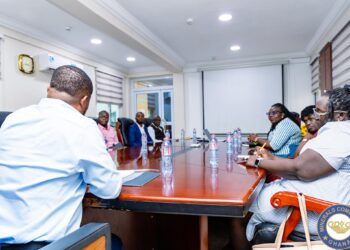
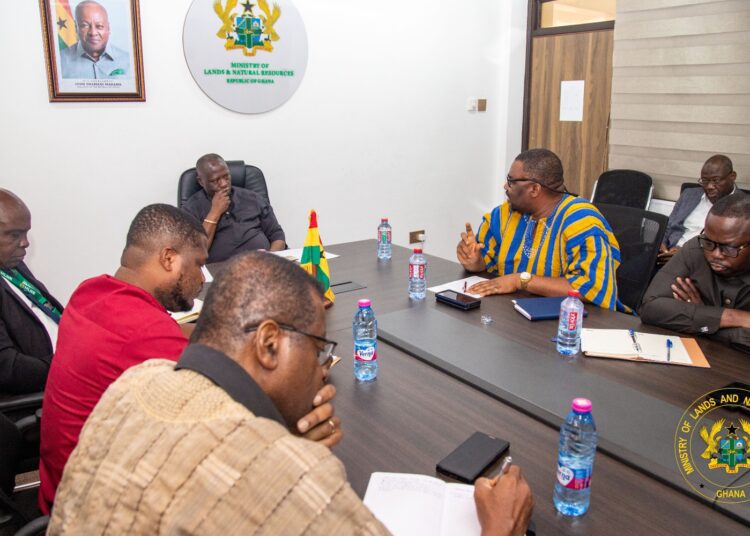
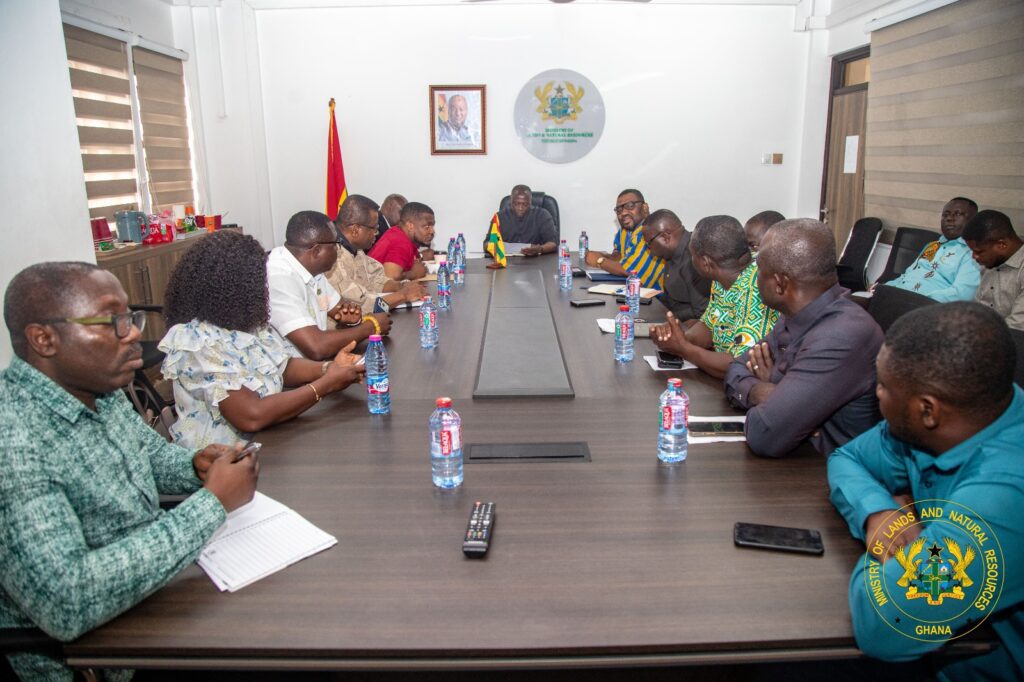
This decision follows a high-level engagement between government authorities and the Ghana Mineworkers’ Union (GMWU), aimed at addressing the concerns raised by the workforce regarding the potential impact of the mandate on job security and the overall welfare of employees.
“As part of the consultations, Government has agreed to temporarily suspend its directive and to commission a committee to review the current local content policy with the view to inculcating the genuine concerns raised by the Ghana Mineworkers’ Union and its members.”
Ghana Mineworkers’ Union (GMWU)
The suspension serves as a strategic pause, allowing the government to establish a committee tasked with reviewing the current local content policy, specifically focusing on integrating the valid grievances voiced by the union.
While the government remains committed to its broader goal of enhancing the fortunes of the mining sector through increased local participation, this move acknowledges the necessity of balancing regulatory objectives with the protection of labor rights and industry stability.
The consultative approach reflects a shared recognition that the sector’s long-term growth is inextricably linked to the consensus of its key stakeholders.
The Rationale Behind the Union’s Stance
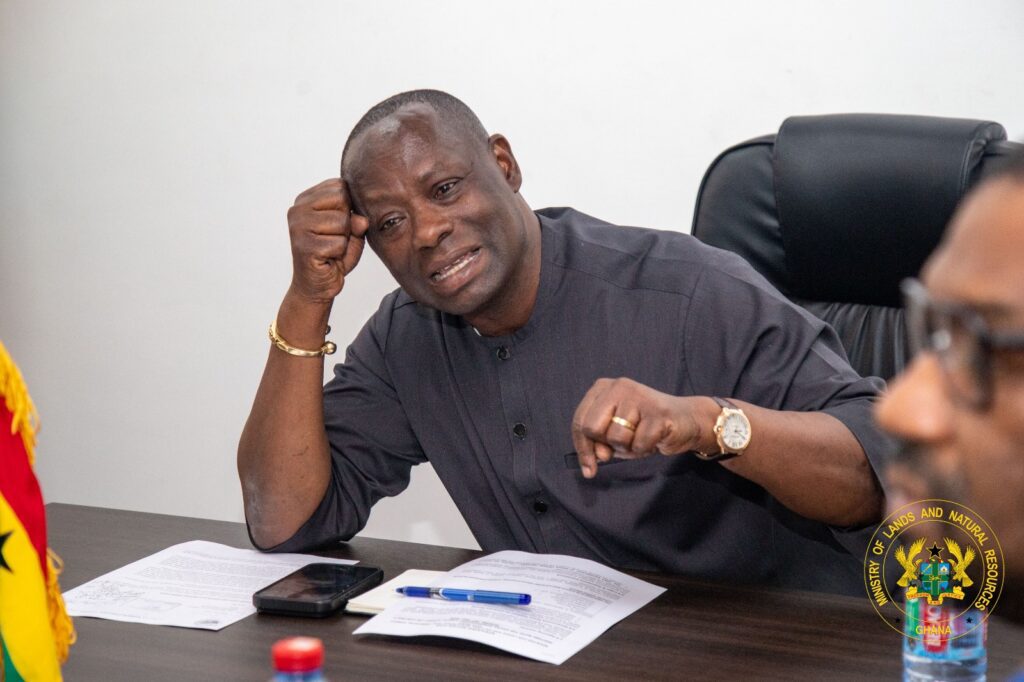
The opposition from the Ghana Mineworkers’ Union centers on the premise that contract mining models often jeopardize the hard-won gains in labor protections.
The union has argued that such a transition often results in precarious employment conditions, citing concerns over significantly reduced wages, weaker pension contributions, and a general erosion of the benefits typically enjoyed under multinational owner-miner structures.

For the union, the directive posed an immediate threat to the livelihood of thousands of workers, as union leaders noted that “workers always have their wages significantly reduced, mostly by at least half of what they were earning under an owner miner for the same job.”
Examining the Policy’s Economic Objectives
From the government’s perspective, the directive was designed to bolster domestic capacity within the mining services sector.
The initiative intended to retain more value in-country by ensuring that surface and underground mining operations are managed by fully or partially Ghanaian-owned firms.

Officials have previously emphasized that this shift is essential for “building capacity among Ghanaian mining service companies” and creating a pipeline of indigenous mining giants capable of competing on a global stage.
However, the lack of sufficient dialogue before the policy’s announcement led to the intense resistance now being addressed through this formal review process.
A Path Toward Industrial Harmony
The decision to commission a specialized committee marks a significant turn in the sector’s regulatory landscape.
This body will be responsible for evaluating the structural concerns of the GMWU, ensuring that the push for local content does not come at the expense of worker welfare.
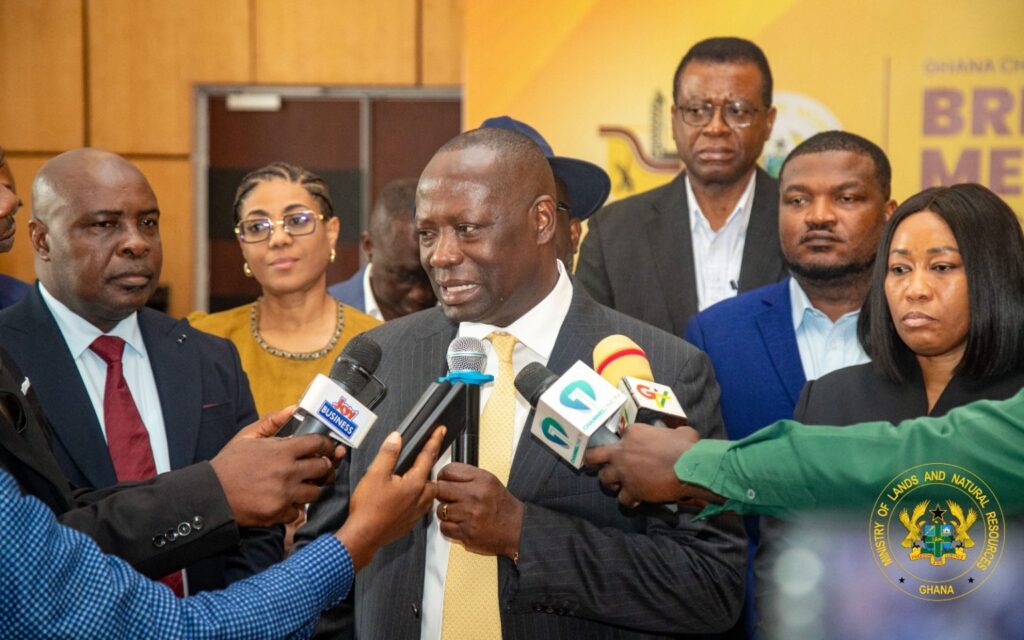
Both the Ministry and the union have underscored the urgent “need to work together to enhance the fortunes of Ghana’s mining industry,” signaling a renewed focus on collaborative governance.
By incorporating labor perspectives into the policy framework, the government aims to create a sustainable environment where indigenous entrepreneurship can thrive without triggering industrial unrest or compromising the standard of living for the nation’s mineworkers.
READ ALSO: Ghana Escapes Debt Trap After 12 Years As It Hits Moderate Debt Risk