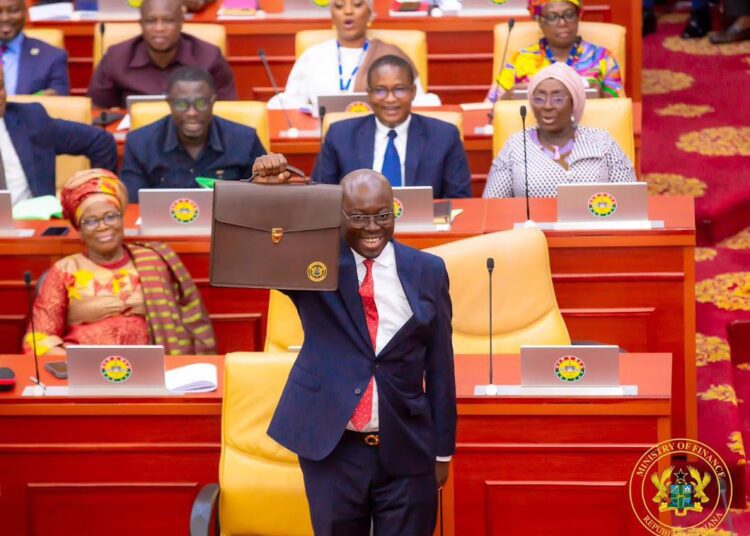
Finance Minister, Hon. Dr. Cassiel Ato Forson in a candid assessment of Ghana’s energy landscape, has hailed the power generation industry as the most lucrative sector that boost the nation’s economic fortune.
He highlighted the inherent profitability of the power generation sector, even as the government grapples with the challenges confronting the distribution end of the industry.
The Minister’s remarks underscore the delicate balance the government must strike in reforming the energy sector to ensure sustainable and reliable power supply to drive economic growth.
“Power generation remains the most profitable sector. We are doing a lot of resources. The IPPs are making a fortune. They are making money. You need to power the economy. You need to generate power.”
Hon. Dr. Cassiel Ato Forson, Finance Minister
Government Inefficiencies
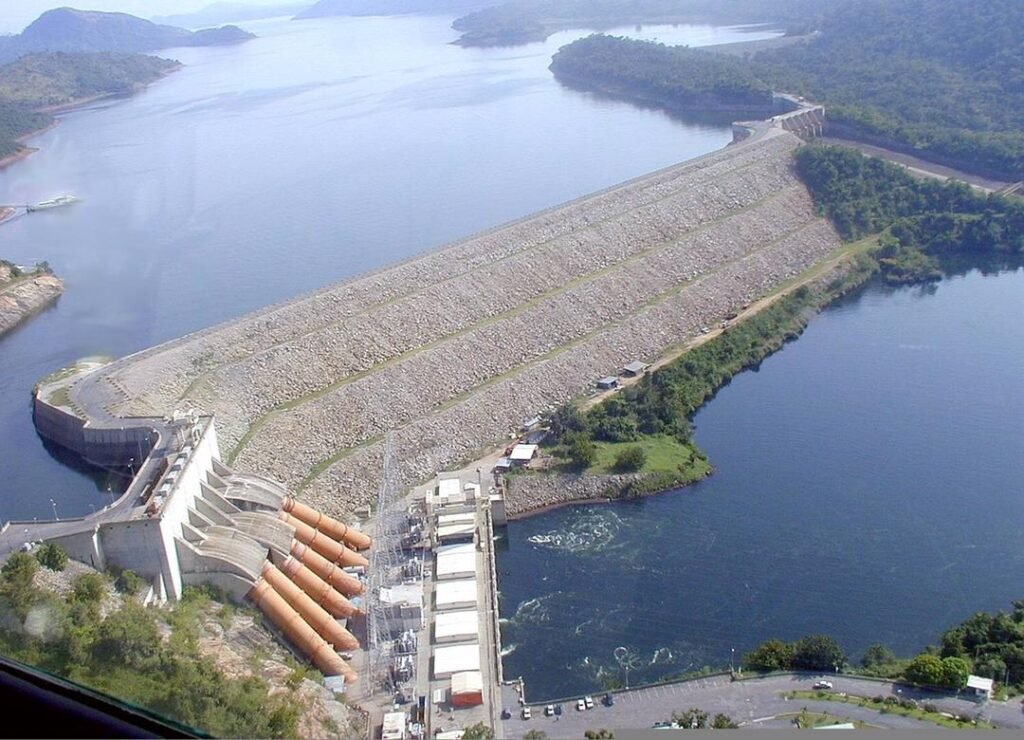
Hon. Ato Forson in explaining the 2026 Budget Statement and Economic Policy, emphasised that the fact that the government is inefficient doesn’t mean the companies are not making profit. According to him, the companies are making profit hence his assessing that the sector stands as the sector that is one of the most profitable in the country.
The finance minister acknowledged, recognizing the ability of independent power producers (IPPs) to thrive despite the government’s past payment challenges.
Power Producers
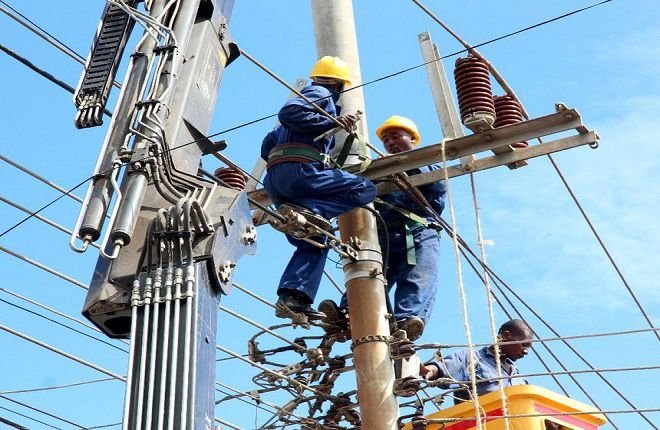
Ghana’s energy sector evolved over the past decades, with a strategic mix of state-owned and independent power producers contributing to the country’s electricity supply.
The state-owned Volta River Authority (VRA) has been the dominant player, responsible for the majority of power generation through its hydroelectric and thermal power plants.
However, as the economy grew and energy demand increased, the government recognized the need to diversify the generation sources and attract private sector participation.
The introduction of independent power producers (IPPs) into the energy mix was a pivotal move.
These IPPs, comprising both local and international companies, constructed and operated their own power plants, selling the generated electricity to the national grid.
This public-private partnership model has been instrumental in expanding Ghana’s total power generation capacity over the years.
The IPPs have leveraged their technical expertise and access to financing to commission new power plants, utilizing a range of fuel sources, including natural gas, diesel, and renewable energy.
This diversification has enhanced the resilience and reliability of Ghana’s power supply, complementing the efforts of the state-owned Volta River Authority.
The coexistence of state-owned and independent power producers has created a more robust energy ecosystem, allowing Ghana to address its persistent power supply challenges and support the country’s economic growth and development.
Debt Burden and Reforming ECG
Ato Forson further highlighted the government’s efforts to address the $1.4 billion debt owed to IPPs, which the administration inherited.
“We inherited the $1.4 billion in interstate dollars and today we are paying, isn’t it? We have renegotiated this debt. We’ve already paid $300 million. We are paying $344 million next year. And we’ll pay the remaining $300 million or so by next 2027 and we hope to end it there.”
Hon. Dr. Cassiel Ato Forson, Finance Minister
The finance minister also acknowledged the challenges at the distribution end of the energy sector, particularly within the Electricity Company of Ghana (ECG).
He however clarified that the “Government has taken a decision to reform the ECG. Even before we complete the reforms, we have seen some positive news in terms of revenue coming in. And we are more or less reforming the sector.”
Interventions to Boost the Energy Sector

The government’s recognition of the energy sector’s profitability, particularly in power generation, has spurred a renewed focus on addressing the challenges in the distribution and payment segments.
The decision to reform ECG, including plans for private sector participation, is a strategic move aimed at improving efficiency and unlocking the sector’s true potential.
Furthermore, the government’s commitment to clearing the outstanding debt owed to IPPs, with the plan to pay off the $1.4 billion by 2027, demonstrates its willingness to restore trust and stability in the energy ecosystem.
This, in turn, is expected to encourage further investments and drive the growth of the power generation industry, a critical enabler of Ghana’s economic transformation.
While the government navigates the complexities of the energy sector, the Finance Minister’s candid assessment and the ongoing reforms underscore the administration’s determination to create a vibrant, profitable, and sustainable power industry that can power the nation’s economic aspirations.
READ MORE: Gov’t Pumps Historic GH¢401m Into Women’s Development Bank to Transform MSMEs in 2026