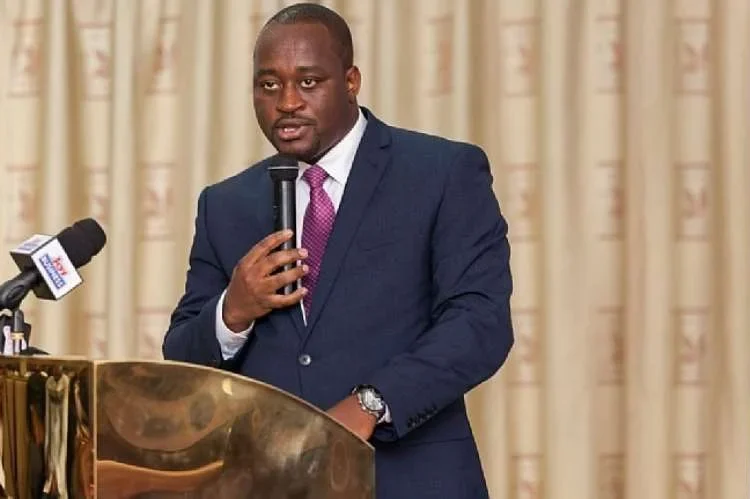
Economist and political risk analyst, Dr. Theo Acheampong has positioned the government’s 2026 Budget as a firm and realistic foundation for Ghana’s economic transformation, assessing it as both credible and implementable as the country advances its reset agenda.
His commentary followed Finance Minister Dr. Cassiel Ato Forson’s presentation of the 2026 Budget Statement and Economic Policy, a document anchored on the theme “Resetting for Growth, Jobs, and Economic Transformation.”
Dr. Forson told Parliament that government actions had restored fiscal discipline, stabilised the cedi, reduced inflation, and revived investor confidence. He described the current stage of Ghana’s progress as a necessary national reset built on a difficult economic inheritance.
He framed the period as one of rebirth, guided by a shift from recovery to transformation and from resilience to productivity. His reflections emphasised a renewed sense of optimism, declaring that Ghana was moving toward stronger, more stable ground.
Dr. Acheampong clarified what makes a national budget credible, referencing international standards for budget performance. His explanation framed credibility as the capacity of a government to meet the revenue and expenditure commitments it presents.
“In my view, this budget is credible,” he said and proceeded to explain why by drawing on widely recognised benchmarks.

“If you look at what the World Bank puts out and what the organisation called the International Budget Partnership puts out, a credible budget means that it is defined as the government’s ability to meet its revenue and expenditure targets during the fiscal year”
Dr. Theo Acheampong, Economist and Political Risk Analyst
He underscored the practical side of execution, saying budget credibility requires the least possible deviation from approved allocations for both expenditure and revenue. That, he noted, is essential to delivering the priorities the government has identified as necessary for stability and growth.
“A credibility-implemented budget has only small deviations,” Dr. Acheampong said, stressing that consistency between promises and execution is central to building confidence in public finance management.
Productivity and Stability
Turning to the broader purpose of the 2026 Budget, Dr. Acheampong said the document was designed to reinforce ongoing reforms while stimulating higher productivity. He explained that Ghana’s difficult economic period spanning 2022 to 2024 required a deep and fundamental reset, making continued structural reforms indispensable.
He linked his assessment to the Finance Minister’s own outline of the government’s strategic path.

“So if you look at the statement the minister made in the house in paragraph 28 of the big budget itself – ‘Mr Speaker, over the next year and beyond, government will focus on three strategic priorities for growth, for jobs and for transformation’”
Dr. Theo Acheampong, Economist and Political Risk Analyst
He noted that these priorities are to consolidate macroeconomic stability, accelerate transformation and job creation, and strengthen security and social sectors for inclusive development.
This vision aligns with Dr. Forson’s message to Parliament that Ghana is moving from a posture of survival to one of momentum, grounded in productivity, infrastructure expansion, responsible debt management, and targeted investments in agriculture, education, healthcare, and national security.
Dr. Forson reinforced the government’s confidence in Ghana’s direction, describing renewed investor trust, improved currency stability, and macroeconomic calm as signals of progress. He characterised the moment as a national turning point, expressing optimism about the economic road ahead.
His speech to Parliament captured this renewed outlook, stating that confidence was returning and portraying Ghana as rising again with strength and hope.
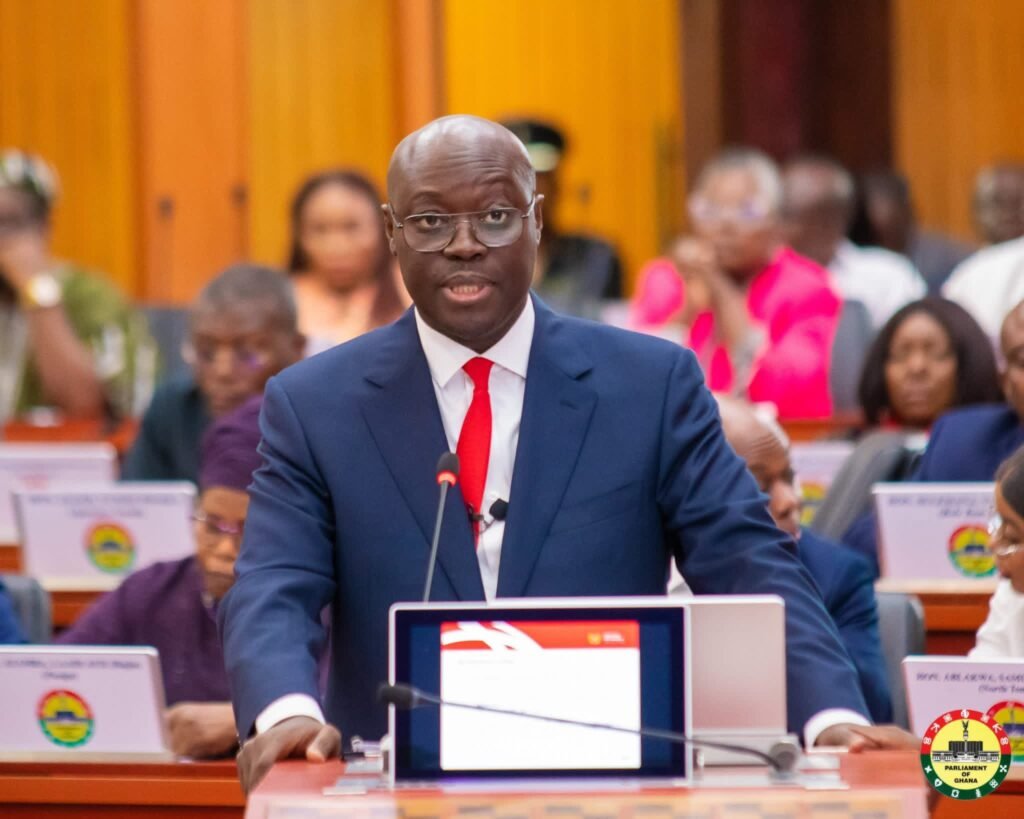
Parliament also received updates on key legislative instruments, including the Value for Money Bill, amendments to VAT provisions, and the repeal of the COVID-19 Health Recovery Levy. These measures, according to the Finance Ministry, are intended to strengthen fiscal discipline and support transformation efforts.
Dr. Acheampong concluded that the true measure of the next phase will lie in implementation. He emphasised that the translation of stability into productivity depends on whether public institutions follow through on the commitments the government has outlined.
He pointed to the need for strong institutions, consistent execution, and focused allocation of resources to ensure that the stability achieved becomes the foundation for long-term transformation.
READ ALSO: ASEC Flags Major Energy Sector Risks in Ghana’s 2026 Budget Despite Strong Fiscal Gains