
The Human Rights Division of the High Court in Accra has delivered a landmark judgment against the Ghana Police Service, finding the institution guilty of violating the rights of journalists and protesters during the #OccupyJulorbiHouse demonstration held in September 2023.
In a ruling delivered on Thursday, May 14, the court found in favour of journalist Bridget Otoo and two other applicants in a suit brought against the Inspector General of Police and the Attorney General.
The case, titled Bridget Otoo & 2 Others v. The Inspector General of Police & Attorney General, was presided over by Justice Nana Brew, who described the conduct of police officers during the protest as unconstitutional and a clear abuse of authority.
The ruling follows nearly two years of legal proceedings over incidents that occurred during one of Ghana’s most widely discussed civic demonstrations, where citizens took to the streets to express concerns over economic hardship, governance challenges, and corruption.

Justice Brew held that officers of the Ghana Police Service, who were expected to provide protection for demonstrators and members of the media, instead engaged in acts that violated the constitutional rights of the applicants.
According to the court, the officers subjected protesters and journalists to physical abuse, unlawful detention, intimidation, and interference with their work.
Applicants Detail Abuse During Demonstration
The three applicants, Bridget Otoo, Vanessa Edotom Boateng, and George Gyening Anyang, brought the action after alleging they were brutalised by officers during and after the protest.
Evidence presented before the court showed that Bridget Otoo was assaulted by police officers while covering the demonstration. The court heard that officers allegedly tore her blouse during the assault, an incident that became one of the defining accounts of the police response to the protest.
Vanessa Edotom Boateng also told the court that she was unlawfully detained during the demonstration. Her mobile phone was allegedly seized by officers in an attempt to stop her from recording acts of brutality taking place around her.
The court found that the confiscation of her device and her detention constituted a violation of her fundamental rights. The third applicant, George Gyening Anyang, recounted being attacked while livestreaming events at a regional police station.

According to the court’s findings, he was assaulted with what the judgment described as “slaps, punches, a metallic belt, and a baton” by police officers while carrying out his work.
Justice Brew held that the conduct of the officers represented a serious abuse of state power and was inconsistent with the constitutional obligations placed on law enforcement personnel. In his ruling, the judge stressed that officers tasked with protecting citizens cannot become the source of intimidation and abuse.
Damages Awarded Against Police
After considering the evidence before the court, Justice Brew granted all the reliefs sought by the applicants and awarded damages against the Ghana Police Service.
Under the ruling, the applicants are to receive GH¢100,000 in compensatory damages, GH¢50,000 in general damages, and GH¢30,000 in legal costs. The court also directed the Ghana Police Service to publish an unqualified apology in the Daily Graphic over the violations suffered by the applicants.
Counsel for the applicants, Samson Lardy Anyenini of A-PARTNERS@LAW, had requested higher legal costs, arguing that the case had remained before the court for nearly two years and involved significant legal work.
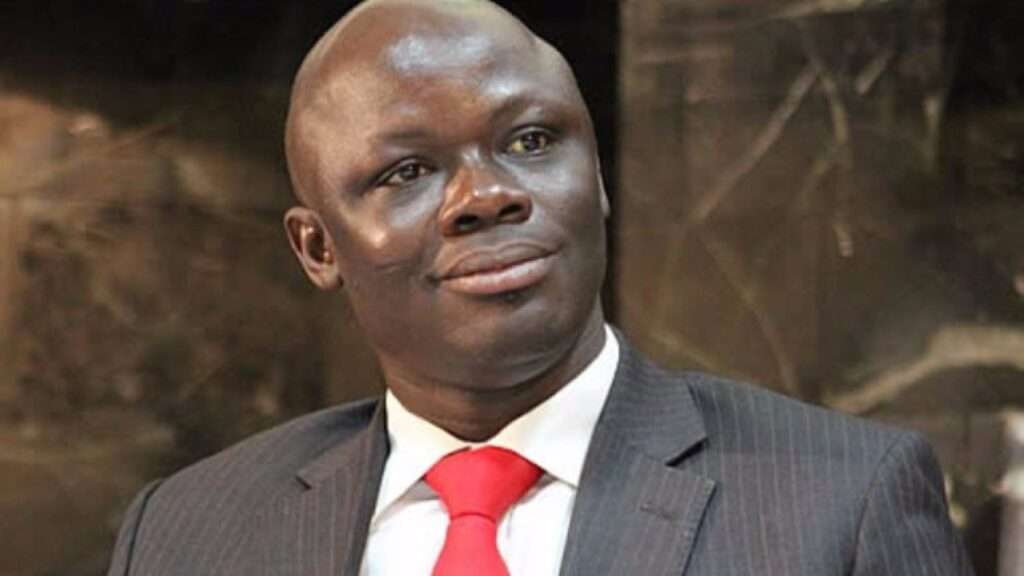
Justice Brew, however, declined the request, explaining that while accountability was necessary, imposing excessive financial penalties on the police service could “cripple” the institution and affect its ability to function effectively.
Calls for Reform and Accountability
In delivering the judgment, Justice Brew also referenced earlier human rights cases involving allegations of police misconduct, including the Solomon Joojo Cobinah case, as part of wider concerns about abuse of authority within law enforcement.
He expressed hope that the current leadership of the Ghana Police Service under the new Inspector General of Police would take meaningful steps to protect the rights of journalists, activists, and ordinary citizens.

The #OccupyJulorbiHouse protest, organised in September 2023, drew national attention after demonstrators gathered to demand action on economic hardship, governance issues, and corruption.
Several protesters and journalists reported arrests, assaults, and intimidation during the demonstration, sparking widespread public debate about police conduct and civil liberties in Ghana.
Thursday’s ruling is expected to stand as one of the most significant judicial decisions on protest rights and police accountability in recent years, reinforcing constitutional protections for citizens who choose to assemble, report, and speak out.
READ ALSO: Ghana’s Antoine Semenyo Makes PL Player of the Season Shortlist