The Speaker of Parliament, Rt. Hon. Alban Bagbin, has called on Ghanaians to embrace moral renewal as the cornerstone of sustainable national development, arguing that the country’s long-term progress will depend not only on infrastructure and economic growth but also on integrity, ethical leadership and public trust.
Addressing participants at the National Development Conference 2026 in Gomoa Fetteh, the Speaker urged citizens, public servants and political leaders to recommit themselves to values that promote accountability, honesty and service to the nation.
Delivering what amounted to a call for national introspection, the Speaker argued that countries achieve lasting progress when governance is anchored on strong moral principles rather than material achievements alone.
“Development cannot be measured by roads and infrastructure alone, but by the character of leadership and stewardship of public trust.”
Rt. Hon. Alban Bagbin, Speaker of Parliament
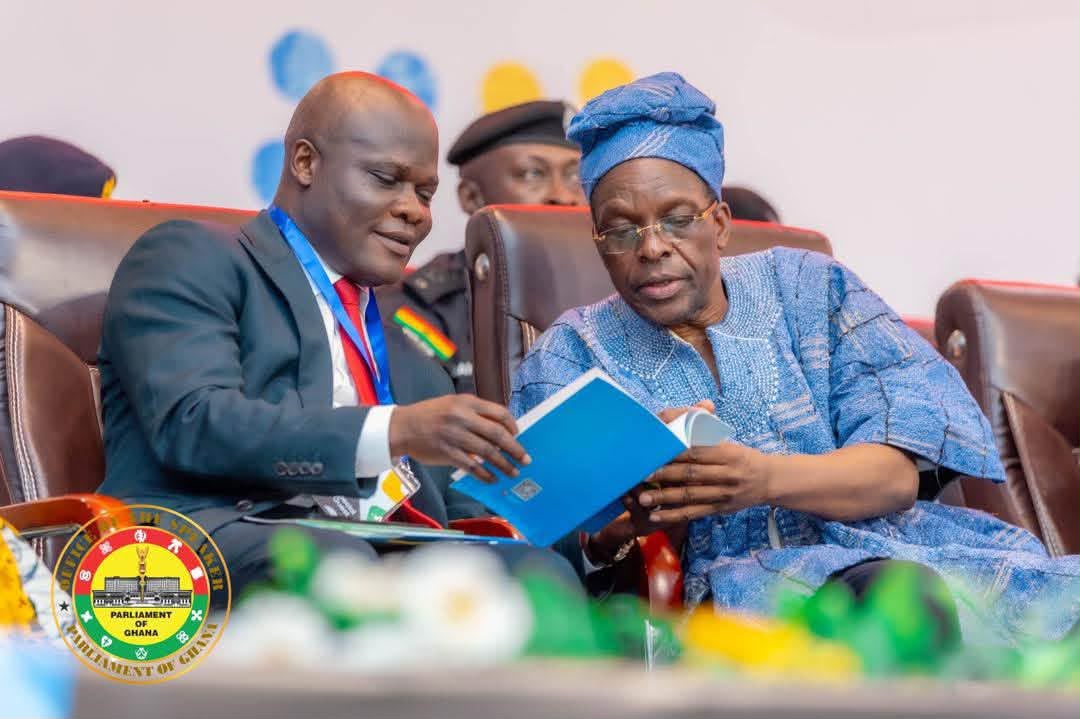
He stressed that while investments in roads, schools and other infrastructure remain important, the true measure of development lies in the quality of leadership and the stewardship of public resources.
Development Requires Character Beyond Infrastructure
The Speaker maintained that sustainable development extends beyond physical projects and economic indicators, insisting that integrity must become the guiding principle for both public institutions and national leadership.
According to him, governments that prioritise transparency, accountability and ethical conduct are better positioned to build public confidence, attract investment and strengthen democratic institutions.
He therefore urged policymakers to view development through a broader lens that incorporates values, justice and responsible leadership alongside infrastructure expansion.
His remarks come at a time when governance, accountability and institutional reforms continue to feature prominently in national discussions on Ghana’s economic transformation and democratic consolidation.
Institutional Integrity Reforms Highlights in Parliament
Rt. Hon. Alban Bagbin used the occasion to outline measures Parliament has introduced to strengthen integrity and improve accountability within the country’s legislative arm.
Among the reforms highlighted was the revision of the Code of Conduct for Members of Parliament, which seeks to reinforce ethical standards and promote responsible conduct among legislators.
He also pointed to the establishment of an Anti-Corruption Department within the Parliamentary Service, describing it as part of Parliament’s commitment to institutionalising transparency and combating corruption.
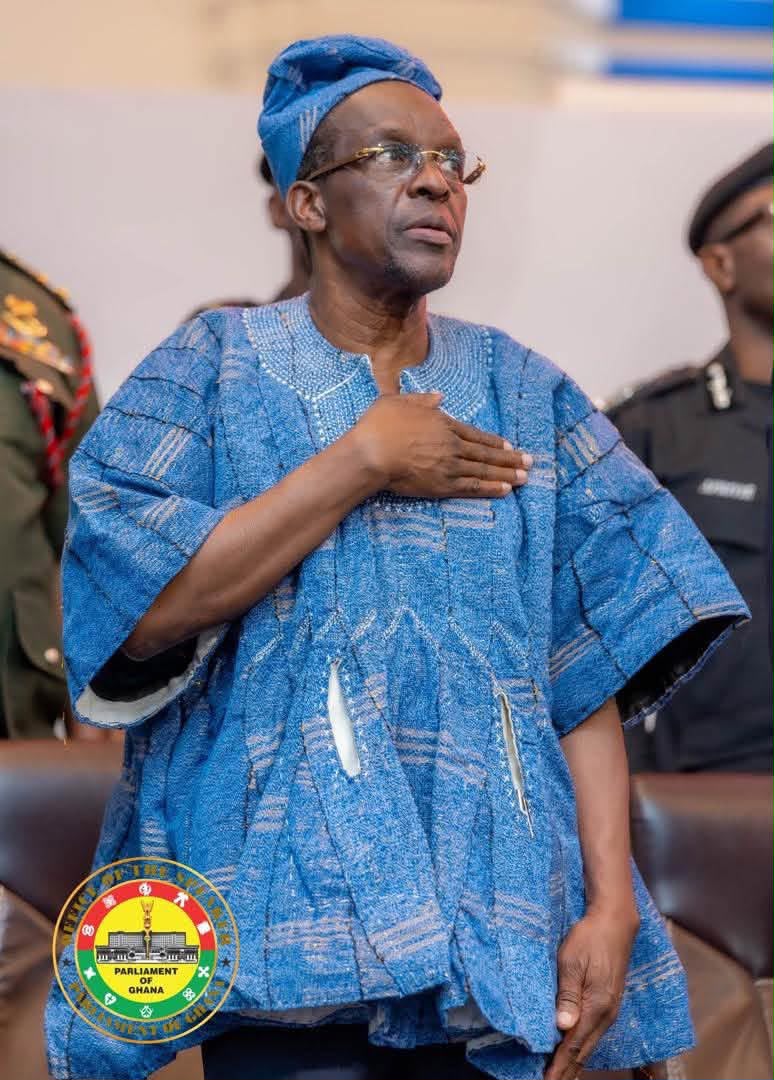
According to the Speaker, these reforms demonstrate Parliament’s determination to lead by example in strengthening governance systems and restoring public confidence in democratic institutions.
“When Parliament builds systems of integrity, it affirms that development is about the character of leadership and service to the common good.”
Rt. Hon. Alban Bagbin, Speaker of Parliament
He explained that recognising ethical leadership sends a strong message that integrity should be celebrated as an essential ingredient of national development.
Integrity Linked to Economic Growth
Rt. Hon. Alban Bagbin, further argued that strengthening ethical governance has direct implications for Ghana’s economic future.
According to him, countries that cultivate public trust through accountable leadership are more likely to attract domestic and foreign investment while building resilient public institutions capable of delivering quality services.
He observed that investor confidence is often influenced by perceptions of transparency, institutional credibility and the effectiveness of governance systems.
For this reason, he maintained that promoting integrity is not merely a moral obligation but also an economic necessity capable of supporting sustainable growth and long-term prosperity.
His remarks reinforce growing calls by governance experts for stronger anti-corruption measures, improved public sector accountability and institutional reforms aimed at enhancing Ghana’s competitiveness.
Call for Collective National Responsibility
Concluding his address, the Speaker appealed to Ghanaians from all walks of life to contribute to building a society grounded in honesty, patriotism and responsible citizenship.
He urged parents to raise children who value truth, encouraged public servants to prioritise service over personal interest and called on political leaders to place national development above partisan considerations.
According to him, lasting national transformation will require a collective commitment to rebuilding trust and strengthening the moral foundations of Ghanaian society.

“If we rebuild trust, investment will grow. If we restore integrity, institutions will flourish. If we strengthen our moral vision, sustainable national development will be a reality.”
Rt. Hon. Alban Bagbin, Speaker of Parliament
Rt. Hon. Alban Bagbin also expressed hope that the present generation would be remembered for choosing integrity over expediency and unity over division.
As Ghana continues to pursue economic recovery and structural transformation, the Speaker’s message places renewed emphasis on the role of ethical leadership and public trust as indispensable pillars of national progress.
While infrastructure, industrialisation and investment remain critical to development, he argued that their long-term success ultimately depends on the values that guide those entrusted with managing the nation’s affairs.
The address therefore reinforces the growing consensus that sustainable development is not only about building roads, schools and hospitals but also about building institutions, nurturing integrity and cultivating a national culture where leadership is defined by service, accountability and commitment to the common good.
READ MORE: Clean Up District Assemblies’ Responsibility, Not National Duty – Hon. Fifi Boafo