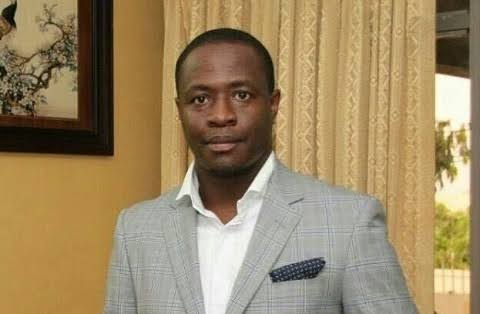
The New Patriotic Party (NPP) has questioned the effectiveness of government’s nationwide cleanup exercise, with former government spokesperson Hon. Fifi Boafo insisting that environmental sanitation is fundamentally the responsibility of Metropolitan, Municipal and District Assemblies (MMDAs) rather than a periodic national obligation.
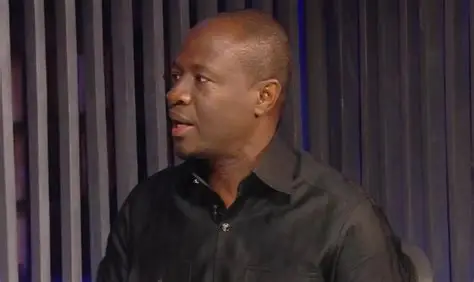
Speaking during a Cross Media interview on the commencement of the nationwide National General Cleaning Exercise, Hon. Fifi Boafo welcomed efforts to improve environmental sanitation but argued that such exercises should not replace the routine responsibilities of Metropolitan, Municipal and District Assemblies (MMDAs), insisting that keeping communities clean must remain a continuous institutional obligation rather than an occasional national campaign.
The floods, which affected Accra and six other regions, resulted in significant loss of life and widespread destruction. According to the Interior Minister’s briefing to Parliament.
People lost their lives, more than 38,800 residents were affected, and over 7,000 households suffered damage.
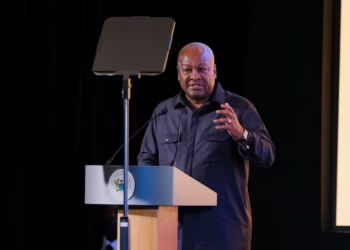
In response, President John Dramani Mahama announced National General Cleaning Days across the seven affected regions, directing ministers, Members of Parliament, Metropolitan, Municipal and District Chief Executives (MMDCEs), and residents to lead cleanup exercises in their respective communities.
The initiative also included the temporary closure of shops and other non-essential businesses during designated hours to facilitate the sanitation exercise.
“Indeed there was a major disaster, and as a result of that, there is a need for us to take some action to help us not to get into that position again.”
Hon. Fifi Boafo
Cleaning Must Be A Daily Thing
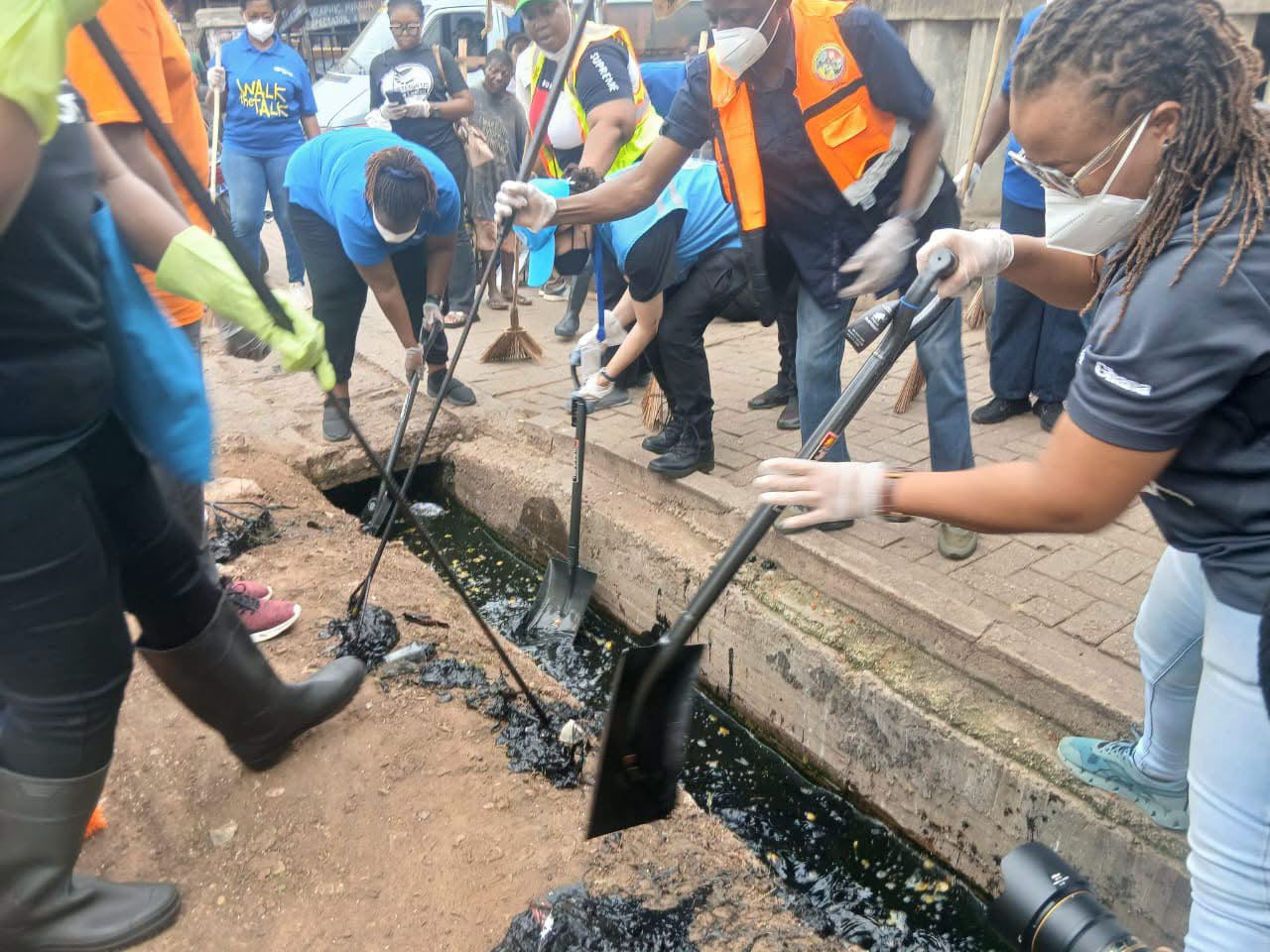
Even as he conceded the point, Hon. Boafo cautioned against presenting the national exercise as the primary solution to Ghana’s persistent sanitation challenges, arguing that environmental cleanliness should be a continuous function of institutions specifically established for that purpose rather than an occasional mobilisation.
He said local assemblies receive public resources specifically to maintain sanitation standards within their jurisdictions, making regular cleanup part of their core, year-round mandate rather than something reserved for emergencies.
“We should not take a national day lightly for cleaning, because cleaning must be a daily thing every day of the week. Every day when we wake up, there are people who have been paid to do these things; it is their responsibility and mandate to do it, they must be disciplined to do it.”
Hon. Fiifi Boafo
Hon. Boafo also pressed government on the economic cost of the exercise, questioning the decision to order shops and commercial establishments closed for hours at a stretch. He argued that halting business activity, even briefly, could hurt productivity at a time when many businesses are still recovering from flood-related losses.
He went further, questioning how public funds already allocated for sanitation had been spent, asking pointedly what the taxes collected for cleaning purposes had achieved before the floods struck.
Assemblies Accused of Dereliction
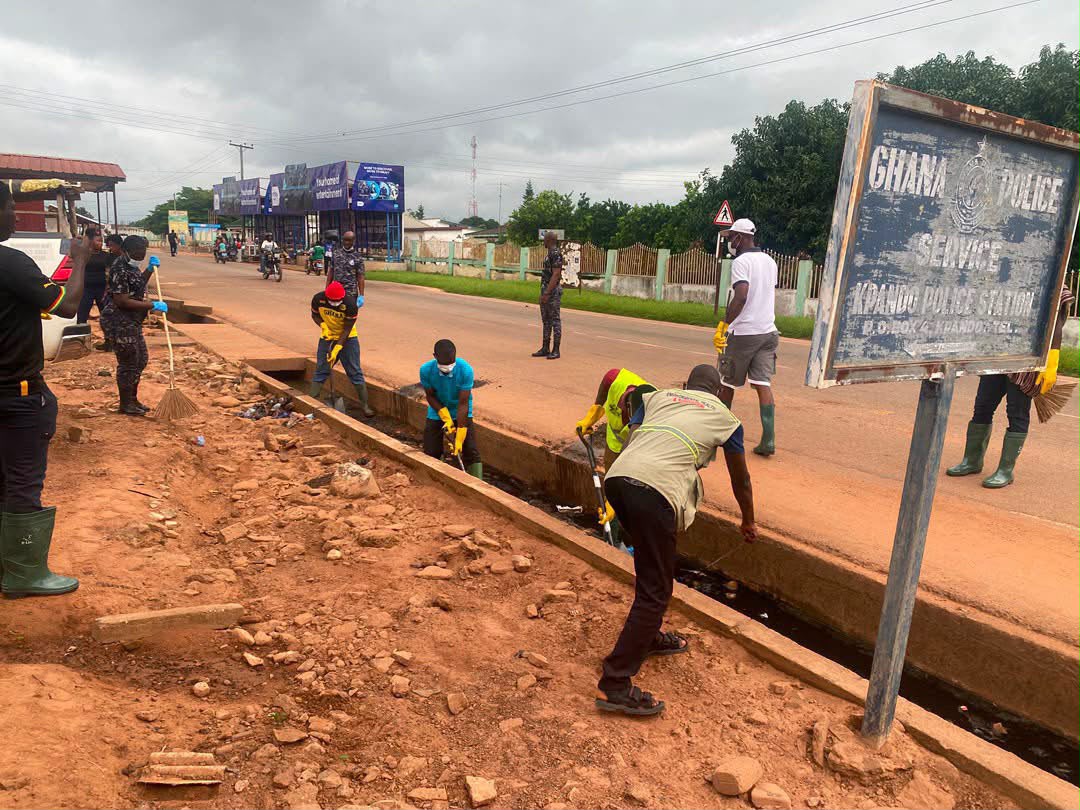
Citing case and some footage from flood affected communities, Hon. Fiifi Boafo said drains and public spaces remained uncleared for about a week after the rains subsided, calling it evidence that local assemblies had failed in their basic duties.
“The Assemblies have a duty and community mandate to clean the place after the rains and drains all the filthy, yet the Assemblies for about a week have done absolutely nothing.”
Hon. Fifi Boafo
He argued that asking ordinary citizens to carry out clean up work normally assigned to local authorities raises legitimate accountability questions within Ghana’s decentralised governance system.
Despite his criticism, Hon. Boafo stopped short of calling for the assemblies to be sidelined, insisting instead that they be strengthened rather than bypassed.
“For us as NPP, we believe that despite the deterioration on the part of government to get the work done, it is still important to salvage the institution, not put all on council and allow the institution to be disoriented.”
Hon. Fifi Boafo
His remarks come as government intensifies its post-flood response more broadly, including a GH¢350 million emergency intervention package, deployment of the Ghana Armed Forces to clear waterways, and the reintroduction of a monthly National Sanitation Day, alongside the two day national cleaning exercise coordinated by the Post-Flood Mitigation Committee.
A Broader Debate Over Accountability
The exchange has renewed public attention on the role of MMDAs in waste management and drainage maintenance, with several commentators separately calling for stricter enforcement against structures illegally built on waterways as a longer-term flood-prevention measure.
For the Former Minister, though, the central argument remains straightforward, national solidarity in a crisis is welcome, but environmental cleanliness must ultimately rest with the institutions legally mandated to deliver it every day of the year, not only after disaster strikes.
Read More: Mahama, Opoku-Agyemang Lead National Cleanup Exercise in Flood Areas