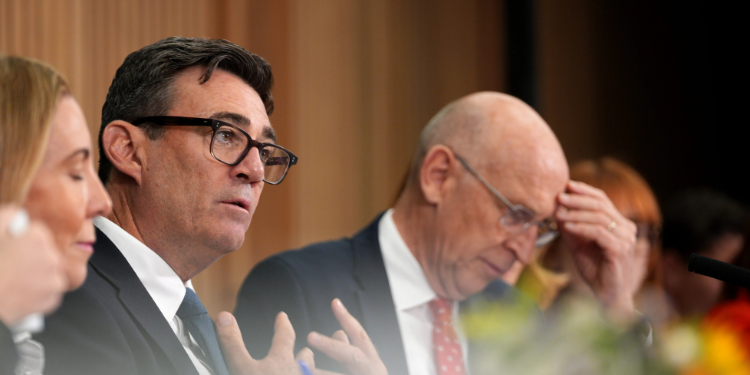
UK Prime Minister Andy Burnham and Chancellor John Healey have instructed Cabinet Ministers to finance new government commitments without exceeding existing departmental spending limits, highlighting Labour’s determination to maintain fiscal discipline even as it rolls out an ambitious package of cost-of-living measures.
The directive, contained in a joint letter to Ministers, signals that Burnham’s administration intends to honour the fiscal framework inherited from former Prime Minister, Keir Starmer and former Chancellor Rachel Reeves while pursuing policies designed to ease pressure on households and businesses.
The move comes less than a month after Burnham entered Downing Street, inheriting an economy still grappling with persistent inflation, elevated borrowing costs and growing uncertainty linked to the ongoing conflict involving Iran.
Against that backdrop, the government is attempting to strike a delicate balance between delivering campaign promises and reassuring financial markets that public finances will remain under control.
According to the Treasury, Healey’s first Budget, scheduled for 28 October, will be built around fiscal discipline, with Ministers expected to identify savings within their existing allocations before introducing any additional spending commitments.
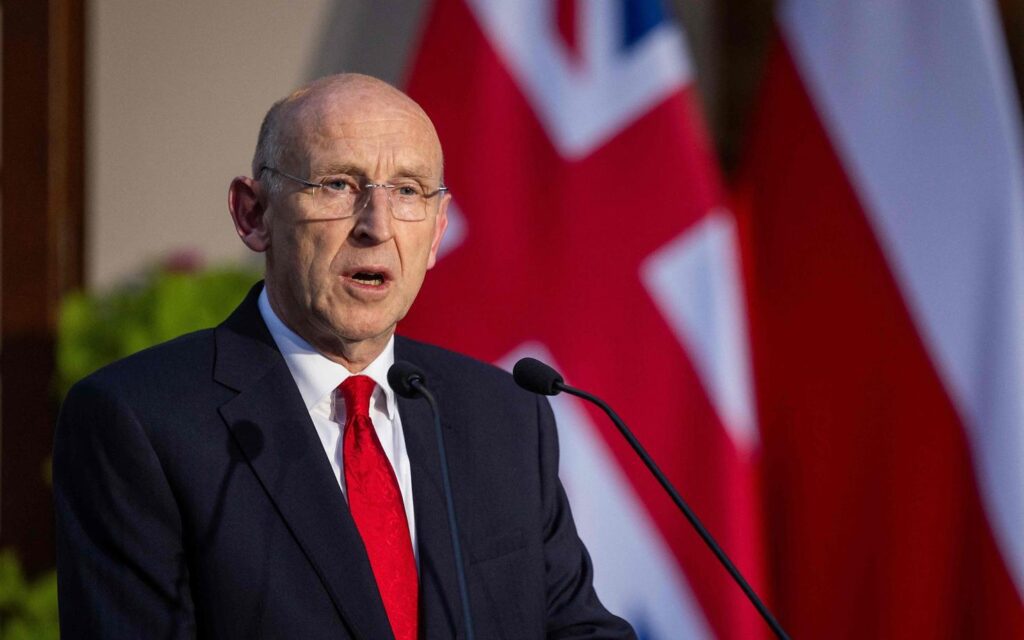
Speaking ahead of the Budget, Healey stressed that economic stability would remain central to the government’s approach.
The budget would “meet our fiscal rules” and “give businesses and families some of the stability they need to plan for the future,” the Chancellor stated.
According to reports, Burnham and Healey have instructed Ministers that any new priorities for this financial year and the next must be funded from within existing departmental budgets rather than through additional borrowing or higher expenditure.
The approach reflects the government’s commitment to Labour’s fiscal rules, including the pledge to balance day-to-day government spending with tax revenues by the end of the decade.
Burnham has also reaffirmed promises made during the 2024 general election campaign not to increase income tax, Value Added Tax (VAT) or National Insurance contributions.
Despite those constraints, the Prime Minister has already announced several headline policies aimed at easing the cost of living. These include removing VAT from domestic electricity bills, lowering business rates for pubs and capping bus fares across England. The measures have been welcomed by many consumers and business groups but have also intensified scrutiny over how the government intends to finance its expanding policy agenda without breaching its own fiscal commitments.
The challenge facing the Treasury has become even more pronounced as geopolitical tensions continue to influence the British economy. Officials acknowledge that the conflict involving Iran has contributed to higher inflation and increased government borrowing costs, reducing the financial flexibility available to ministers.
Rachel Reeves had left what was estimated to be a £22 billion fiscal buffer in her final Budget before leaving office.
However, economists and Treasury officials believe much of that headroom may have been eroded by rising prices and higher debt servicing costs, leaving the new administration with significantly less room for manoeuvre.
Labour Under Pressure to Balance Spending and Stability

The government’s financial strategy is already attracting close scrutiny from policy experts, opposition politicians and financial analysts, many of whom argue that Burnham’s ambitions will test the limits of Labour’s spending rules.
Earlier this week, an influential think tank warned that the Prime Minister has only a narrow margin for error if he hopes to maintain fiscal discipline while expanding investment in key public services.
Analysts suggested that Chancellor Healey could ultimately face difficult decisions over departmental spending or new sources of revenue to accommodate priorities such as higher defence expenditure and improvements to social care.
Questions surrounding defence spending have become particularly sensitive following Healey’s own departure as Defence Secretary under Keir Starmer.
Healey resigned after disagreements over defence funding, having argued that Britain should raise military spending to three per cent of gross domestic product by 2030.
Since entering government, however, Labour Ministers have adopted a more cautious tone. Defence Secretary Wes Streeting recently declined to commit to that target, insisting the government would first identify how additional commitments would be financed.
Moreover, Burnham’s broader programme of constitutional reform is also expected to feature prominently in October’s Budget.
Earlier, the Prime Minister announced plans to allow Mayors of England’s city regions to receive a share of income tax revenues for the first time, advancing his long-standing commitment to devolve political and economic power away from Westminster.
The proposal builds on previous Labour commitments to strengthen regional government by granting local authorities greater control over housing, transport and economic development.
Although Ministers insist the reforms will not alter income tax rates for individuals, further details on the funding model are expected when the Budget is presented to Parliament.
Meanwhile, AJ Bell Public Policy Director Tom Selby stated that, Chancellor Healey could no longer attribute economic pressures to previous administrations.
“Healey doesn’t have the luxury of pointing the finger of blame at the last administration. Healey will likely spend a chunk of his time leafing through the thesaurus looking for new ways to rephrase the ‘tough choices’ message of his predecessor.”
Tom Selby
Moreover, the Conservative opposition has also intensified its criticism ahead of the Budget. Shadow Chancellor, Mel Stride argued that delaying the fiscal statement until late October would prolong uncertainty for households and businesses.
“89 more days of unfunded spending commitments and damaging tax speculation until we get some details. 89 more days for Brits to wait before they know how much their taxes are going to go up to fund Burnham’s spending addiction.”
Mel Stride
The exchange highlights the political challenge confronting the new government. While Burnham has promised to improve living standards, decentralise power and invest in public services, his administration has also pledged to preserve fiscal credibility by avoiding excessive borrowing and maintaining Labour’s existing tax commitments.
READ ALSO: FIFA Forward Enterprise Proposal Abandoned After Severe Backlash