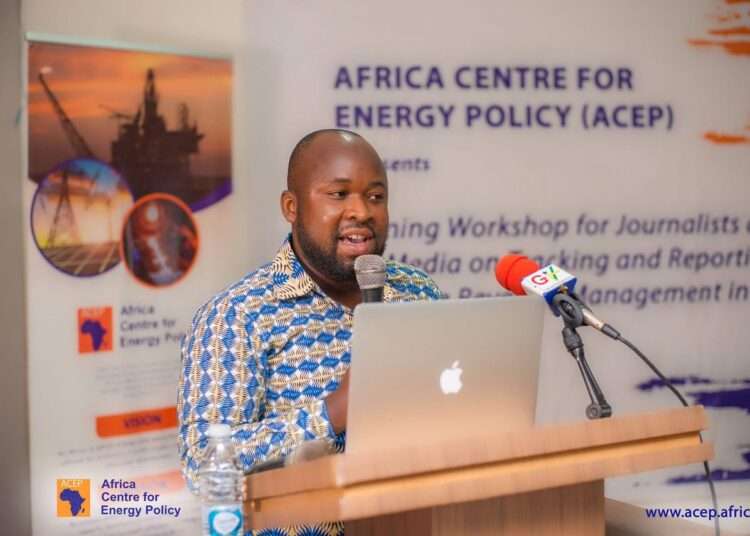
Energy Policy Analyst at the Africa Centre for Energy Policy, Kodzo Yaotse, has cast doubt on Government’s plan to construct a 1,200 megawatt state-owned thermal power plant, warning that the project may not deliver the expected relief in tariffs or strengthen energy security.
His remarks come at a time when Government is seeking to reshape the power sector through major investments and a shift towards gas-driven generation.
Mr Yaotse explained that Government views the project as a corrective measure to what it considers high tariffs imposed by Independent Power Producers.
“In the belief of government, if they set up their own power plant that is working, then the charges that the IPPs charge will become savings because they are generating their own, and that will translate into cheaper tariffs for the country. That is the theoretical assumption.”
Kodzo Yaotse, Energy Policy Analyst at the Africa Centre for Energy Policy
He questioned whether a state-operated plant of such size could truly be efficient, drawing attention to long-standing concerns about the performance of the Volta River Authority.
According to him, repeated political interference has affected the VRA’s ability to operate sustainably.

“If you look at how the VRA has operated, it does not give any confidence that a state-owned and operated power plant of that magnitude is going to generate the revenue that it should.”
Kodzo Yaotse, Energy Policy Analyst at the Africa Centre for Energy Policy
He added that state-owned enterprises across the energy sector already face structural challenges. Many of these institutions, he noted, continue to struggle despite their long presence in the industry.
He also revealed that the proposed plant may not even fall under the VRA. Instead, it could be handed to a newly established state company.
In his view, creating another institution would add to the bureaucratic strain rather than resolve the deeper problems that undermine efficiency.
Liquidity Risks and Weak Returns Remain Central Issues
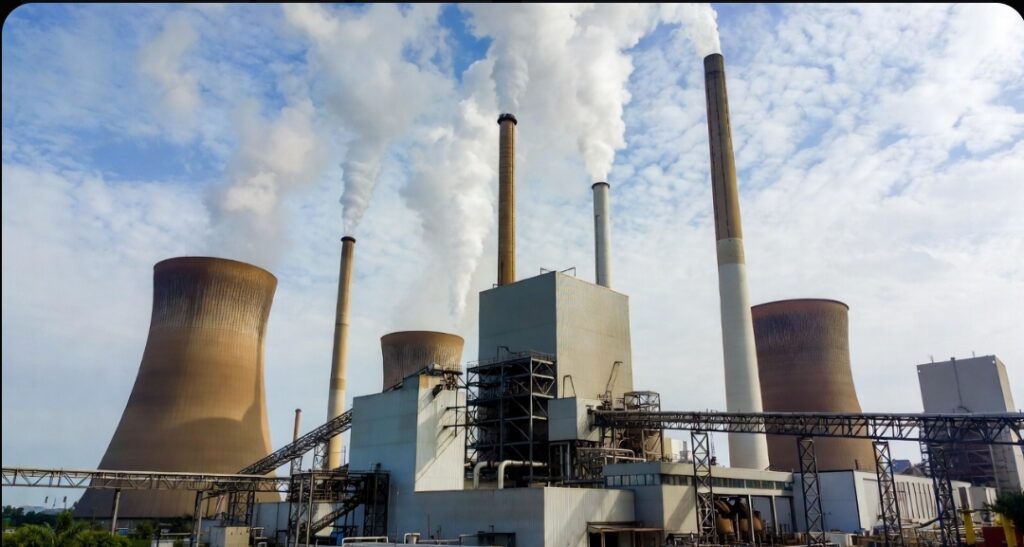
A major part of Mr Yaotse’s concern lies in the financial pressures that affect the sector. He explained that state-owned entities tend to suffer when liquidity problems arise, because Government often prioritises payments to private operators who have stronger leverage in chasing outstanding amounts.
“When there are liquidity challenges, they will prioritise the private business because they can chase them for those monies.”
Kodzo Yaotse, Energy Policy Analyst at the Africa Centre for Energy Policy
He linked these challenges to broader financial outcomes within state-led projects. According to him, some of Government’s current investments have yielded returns as low as one percent per year.
He argued that entering another large-scale project without addressing governance weaknesses would risk even lower returns. To him, this approach would stretch public resources while offering little assurance of long-term sustainability.
Mr Yaotse advised Government to resolve the systemic and governance issues that continue to weigh down the energy sector before committing to a plant of this scale.
He noted that liquidity constraints, weak institutional coordination and recurring operational challenges should be addressed first.
“If we do not fix those governance issues that impact on the risks that we see, then we should not venture out there.”
Kodzo Yaotse, Energy Policy Analyst at the Africa Centre for Energy Policy
He added that if Government remains committed to making such an investment, it should consider sectors where the risks are more manageable and returns more predictable.
In his view, the current conditions within the energy sector do not favour the creation of another large state-run utility without prior reform.
Project as Part of Gas to Power Strategy
The concerns raised by the energy analyst emerge as Government outlines its long-term plan for the sector.
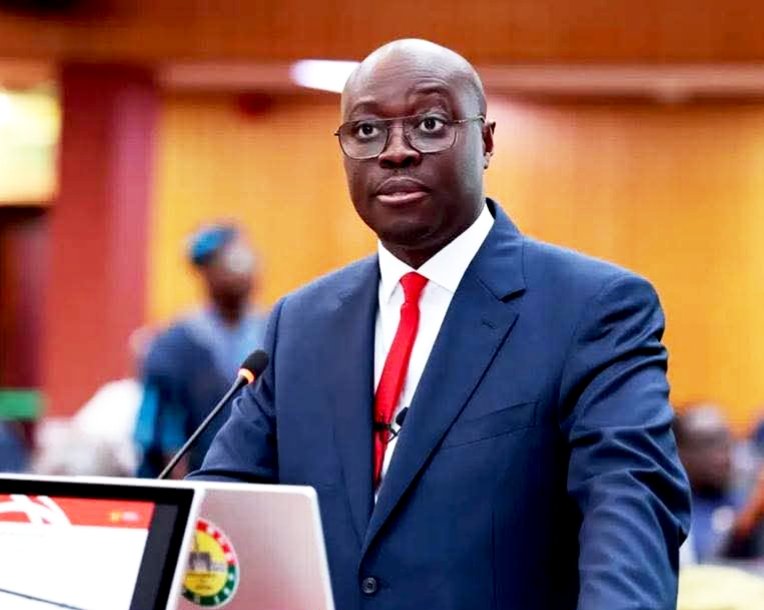
Presenting the 2026 Budget Statement and Economic Policy to Parliament, Finance Minister Dr Cassiel Ato Forson said the new plant would rely on an additional 150 million standard cubic feet of gas per day.
The supply is expected to come from Offshore Cape Three Points partners and the planned Ghana Gas Processing Plant Two.
He explained that the project forms part of the Gas to Power Strategy, which aims to shift the country from costly light crude oil to cleaner and cheaper natural gas.
According to the Minister, the switch would cut generation costs by at least seventy five percent. He added that the goal is to address financing gaps in the sector and ease the budget’s exposure to rising energy-related liabilities.
As discussions continue, the proposed 1,200 megawatt plant has become a focal point in the wider debate over Ghana’s path toward reliable and affordable power.
Analysts like Mr Yaotse argue that without structural reform, new assets may deepen the sector’s difficulties rather than resolve them. Government, however, maintains that the project is vital to reducing costs and strengthening long term energy security.
READ ALSO: GRA Increases VAT Threshold to GHȻ 750k to Support Small and Micro Enterprises