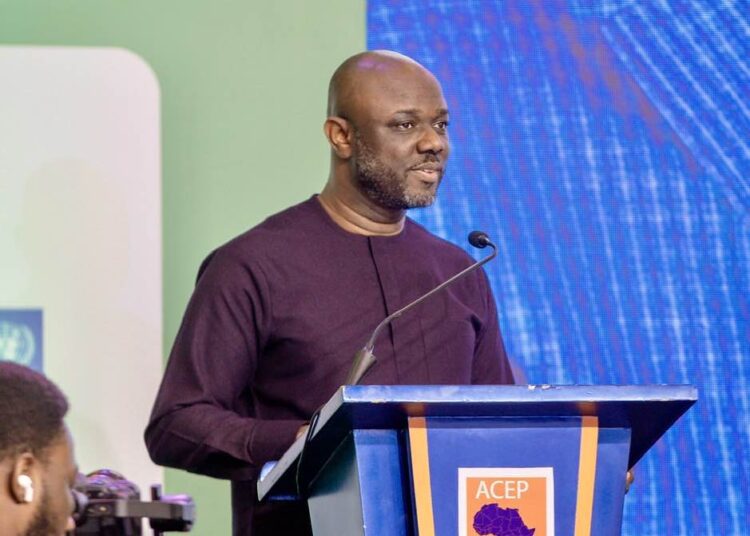
Africa Centre for Energy Policy (ACEP) has cautioned that aggressive resource nationalism and the refusal to renew mining leases could inadvertently stifle the growth of indigenous Ghanaian mining firms.
By championing policies that prioritize the removal of foreign operators, the think tank argues that the nation risks creating a volatile regulatory environment that disproportionately punishes local companies which lack the financial cushioning of multinational giants rather than the foreign interests they seek to displace.
This shift toward resource nationalism, while rooted in a desire for greater economic sovereignty and increased local participation, is creating a climate of profound uncertainty for the extractives sector.
According to ACEP, while the entry of Ghanaian firms into large-scale mining is a celebrated national milestone, these domestic players are often more vulnerable to the ripple effects of regulatory instability.
Unlike global corporations with diversified portfolios spread across continents, local mining businesses depend almost exclusively on the stability of Ghana’s domestic policy for their long-term survival, project financing, and operational expansion.
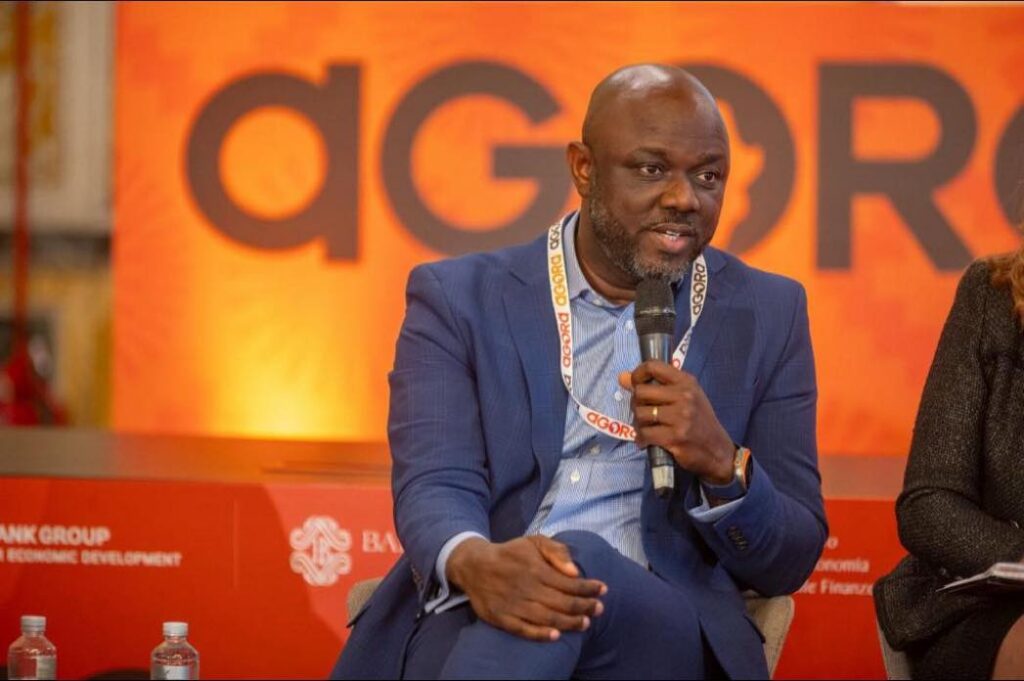
“Domestic mining firms are particularly vulnerable to politicization, especially within highly polarized political environments where businesses are often microscopically scrutinized through partisan lenses. Stable lease renewal systems help shield local firms from excessive political uncertainty and create the conditions necessary for organic growth and long-term capital formation.”
Benjamin Boakye, ACEP Executive Director
Financial Perils of Regulatory Instability
ACEP’s argument rests on the vital importance of predictability for capital intensive investments. Mining is a long-term endeavor that demands massive, multi-year commitments of capital for exploration, state-of-the-art machinery, and rigorous environmental compliance.
When a government creates uncertainty around lease renewals, international financiers and banks respond by recalibrating their risk assessments.
In practice, this means that indigenous firms often face the steepest consequences.
“If governments create uncertainty around whether leases will be renewed, lenders immediately price that risk into financing arrangements,” ACEP explains.
For a local startup or an emerging Ghanaian mining house, this translates into significantly higher borrowing costs, shorter financing windows, or in extreme cases, the total withdrawal of capital.

Because these companies do not have the deep, global technical and financial networks enjoyed by multinational corporations, the “price” of political instability is an existential threat.
Danger of Politicizing Commercial Assets
ACEP further highlights the growing danger of subjecting legitimate business decisions to the pressures of Ghana’s polarized political landscape.
The think tank observes that when mining concessions become the subject of intense partisan debate, commercial viability is often sidelined in favor of political optics.
When lease renewals are treated as political bargaining chips rather than rules-based administrative processes, it discourages the very entrepreneurs the country seeks to foster.
Serious local investors, according to Ben Boakye, fear that future political transitions could threaten the continuity of their assets if the process remains opaque.
By failing to maintain a transparent, consistent framework for renewals, the state risks turning the mining sector into an environment where only those with political patronage rather than those with the best operational capacity can thrive, ultimately undermining the goal of creating globally competitive Ghanaian mining champions.
Sustaining the Future of Indigenous Mining
The long-term success of Ghana’s mining sector depends on transitioning from a model of foreign dominance to one of sustainable indigenous participation. However, ACEP insists this transition must be guided by commercial realities and a bedrock of legal stability.
If the government’s approach to resource nationalism does not evolve beyond emotion and rhetoric to include structured, predictable pathways for lease renewals, it may inadvertently halt the rise of the next generation of local mining leaders.
Ultimately, for the think tank, these reforms are not merely concessions to foreign entities but essential safeguards for the domestic economy.
READ ALSO: Mahama’s Industrial Transformation Takes Center Stage at Ghana-China Investment Forum