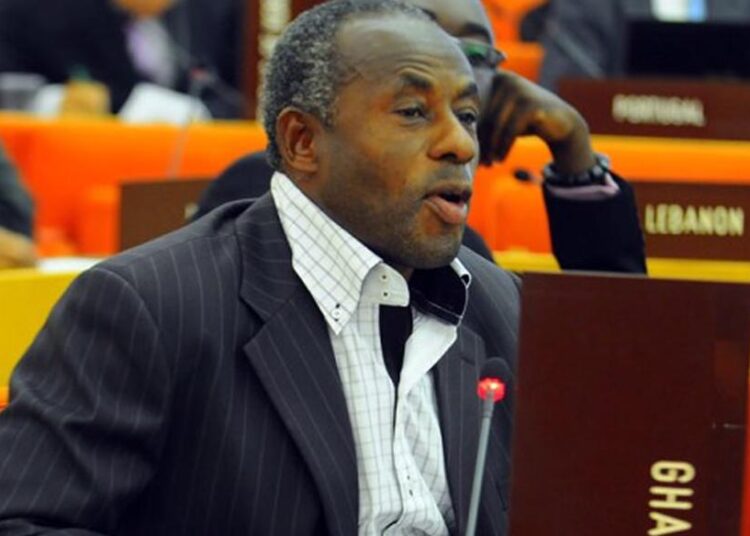
The Chairman of the Parliament Select Committee on Lands and Natural Resources, Hon. Collins Dauda has emphasised that government has advanced plans to review the Minerals and Mining Act of 2006 (Act 703) and the Minerals and Mining Policy of 2014.
According to Hon. Collins Dauda, this decision, as outlined in the 2026 Budget Statement, comes in the wake of the ongoing controversies surrounding the Ewoyaa Lithium Agreement, which sparked heated debate within the country’s mining and extractives sector.
The Chairman of the Parliament Select Committee shed light on the government’s rationale behind this strategic review.
“To align laws with global standards, the Minerals and Mining Policy 2014 and Act 703 2006 are under review,” Dauda stated, quoting directly from the budget statement.
“Government has served notice in the 2026 Budget Statement at paragraph 475 that it is going to review the mining policy of Ghana and also to review the Mining, Minerals and Mining act of the country. “
Hon. Collins Dauda, Chairman of Lands and Natural Resources Committtee
Hon. Dauda’s emphasize, underscores the government’s commitment to ensuring that the country’s mining governance framework is in sync with international best practices.
Ewoyaa Lithium Agreement Controversy
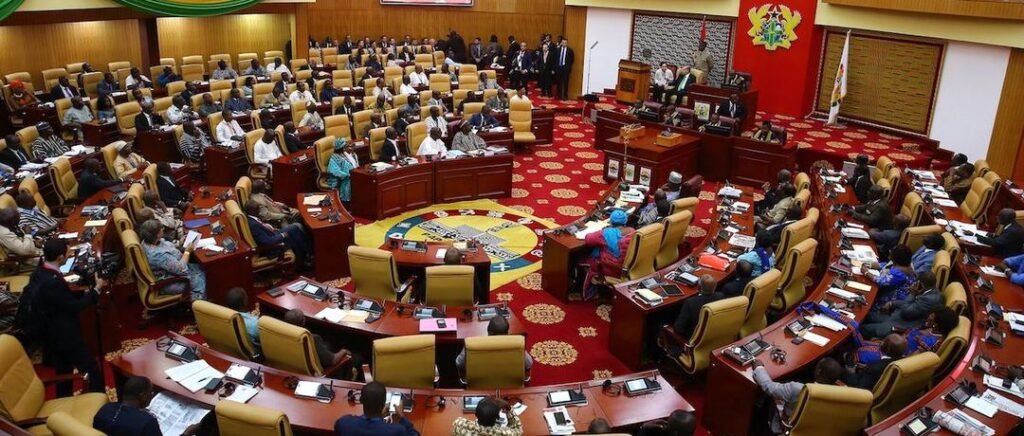
The decision to review the mining laws and policy comes as a response to the ongoing debate surrounding the Ewoyaa Lithium Agreement, which has been a subject of intense scrutiny.
The previous administration, led by the New Patriotic Party (NPP), had negotiated a 10% royalty rate for the project, which was to be developed by the Australia-based Atlantic Lithium.
However, the current government, led by the National Democratic Congress (NDC) revised the royalty rate to 5%, citing the significant drop in lithium prices and the need to ensure the viability of the project for investors, and also the Legislative Instrument (L.I) i.e Minerals and Mining Act which supports the 5% deal.
This decision sparked widespread controversy, with the opposition party accusing the government of reneging on its commitments.
In the wake all these controversies, Hon. Collins responded by noting that the government intends to have the said Mining Act amended to allow the government go for a higher percentage.
Rule of Law and Stakeholder Engagement
Hon. Dauda’s remarks during the press conference underscore the government’s commitment to upholding the rule of law and ensuring that the mining sector’s governance framework is aligned with the country’s legal and regulatory environment.
“We never reject it. As I said, we advise the Minister to take steps to amend so that it is in line with what the law says. We never rejected. So to for anybody to say that it was rejected, it’s, it’s unfortunate,” Dauda stated, clarifying the committee’s position on the initial Ewoyaa Lithium Agreement proposal.
The Chairman also emphasized that the committee’s stance was grounded in the law, and they had urged the former minister to take the necessary steps to amend the relevant legislation to accommodate the proposed agreement.
However, this did not occur, leading the committee to maintain its position to ensure compliance with the existing legal framework.
Dauda’s comments underscore the government’s desire to engage with all stakeholders, including the local communities, in the review of the mining laws and policy.

This inclusive approach aims to strike a balance between the interests of investors, the government, and the people of Ghana, particularly those residing within the Ewoyaa Lithium project’s area of influence.
The outcome of this exercise could have far-reaching implications for the country’s ability to harness its mineral wealth in a sustainable and equitable manner, ultimately benefiting the Ghanaian people.
READ ALSO: Nigeria Set for Major Upstream Revival as Investment Momentum Builds