Ghana’s inflation rate has reached a major milestone, easing to 6.3% in November 2025 — the lowest level recorded since the 2021 rebasing of the Consumer Price Index (CPI).
The latest data from the Ghana Statistical Service (GSS) confirms that this marks the eleventh consecutive month of declining inflation, signaling a major step toward stabilizing the country’s economy.
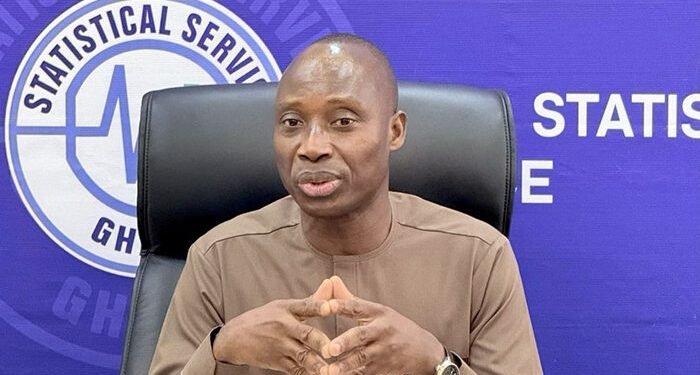
Government Statistician, Dr. Alhassan Iddrisu, attributed the decline to broad-based improvements across both food and non-food categories, supported by stabilizing market conditions. “Ghana’s inflation has dropped to 6.3% in November 2025, the lowest since the 2021 rebasing and the 11th straight month of decline,” Dr. Iddrisu stated.
This development is widely seen as a positive signal for households, businesses, and policymakers, indicating that persistent efforts to control price pressures are yielding tangible results.
Food Inflation Shows Remarkable Decline
One of the key drivers of the overall inflation reduction is the sharp fall in food prices. According to the GSS, food inflation decreased from 9.5% in October to 6.6% in November 2025. The decline reflects improvements in supply chains, moderated transportation and distribution costs, and better availability of essential food items across the country.
The easing of food inflation is particularly important because food accounts for a significant portion of household expenditure. Lower food prices reduce the immediate cost of living for Ghanaian families and increase disposable income, which can potentially boost domestic consumption and economic growth.


Dr. Iddrisu emphasized that sustained food price stabilization is critical for economic stability. “The decline is supported by better supply, improved market conditions, and moderation in transport costs,” he explained.

Local and Imported Goods Contribute to Stabilization
The November 2025 CPI report also highlights significant improvements in both locally produced and imported goods. Local inflation declined from 8.0% in October to 6.8% in November, while imported inflation eased from 7.8% to 5.0% over the same period.
For local goods, the reduction in inflation is linked to improved availability of domestic food items, lower fuel-related pressures, and relative currency stability. This has helped businesses better plan their production and pricing strategies, while consumers benefit from more predictable costs.
Imported goods have also become cheaper due to lower global commodity prices and improved import cost dynamics. This trend supports price stability for items that are critical for both households and industries, including electronics, machinery, and key raw materials.
Regional Variations in Inflation
While the national inflation rate presents an encouraging picture, regional disparities remain. The North East Region recorded the highest inflation at 12.3%, whereas the Savannah Region posted the lowest at -0.02%. These variations underscore the need for targeted interventions in regions facing higher price pressures.
Policymakers are encouraged to address regional inequalities in food supply, transportation infrastructure, and market access to ensure that all Ghanaians benefit from the easing inflation trend.
Implications for Households and Businesses
The continuous decline in inflation is a welcome development for both consumers and businesses. For households, it provides a more predictable cost environment after years of volatility driven by global shocks, currency depreciation, and supply-chain disruptions. Lower inflation can help families plan expenditures more effectively and increase purchasing power.
For businesses, the environment of falling inflation creates opportunities to invest in efficiency, strengthen supply chains, reduce operational waste, and pass cost savings on to consumers. Experts suggest that companies that act decisively during this period can enhance competitiveness and profitability.
Policy and Economic Outlook
The sustained decline in inflation is an encouraging indicator for policymakers, particularly the Bank of Ghana and other economic agencies. It reflects the effectiveness of measures aimed at controlling monetary pressures and stabilizing the currency.
The GSS has confirmed that it will continue to monitor pricing trends closely. Ongoing data collection and analysis will be essential to ensure that inflation remains on a downward trajectory, while adjustments to fiscal and monetary policy can help sustain the gains.
Economists note that this period of low inflation could serve as a foundation for broader macroeconomic stability. With controlled price levels, the government can focus on boosting growth, supporting industrialization, and creating jobs across sectors.
All in all, Ghana’s inflation decline to 6.3% in November 2025 represents a historic win for the economy. With food and non-food prices stabilizing, and both local and imported goods becoming more affordable, the nation is experiencing its lowest inflation since the 2021 rebasing.
If policymakers and economic actors continue to implement measures that support price stability, Ghana could build a strong foundation for long-term growth and economic resilience. The November 2025 inflation data is a clear signal that the country is moving toward more predictable and sustainable economic conditions.
READ ALSO:Ghana’s Bond Market Roars Back to Life as Trading Explodes Past GH¢1.5bn