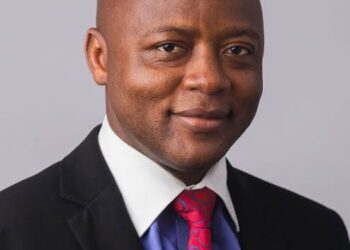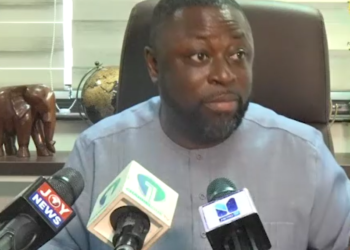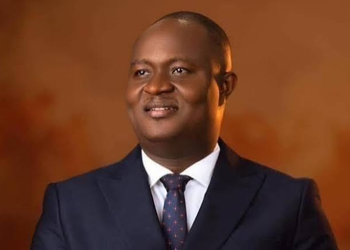
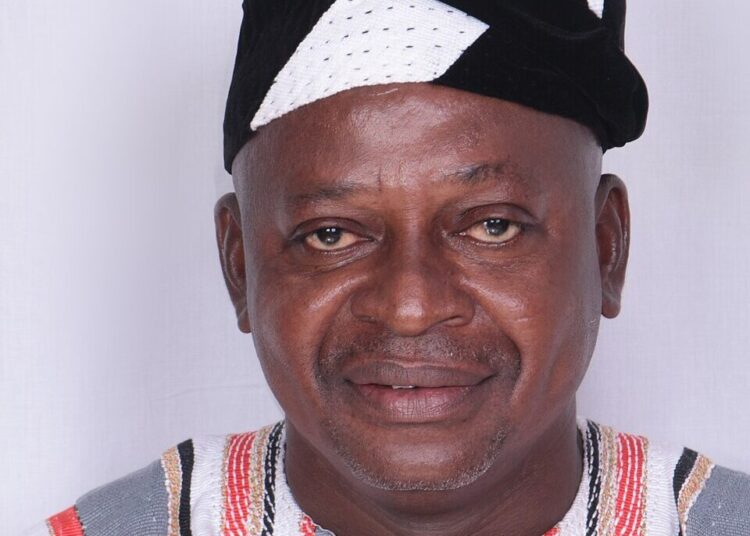
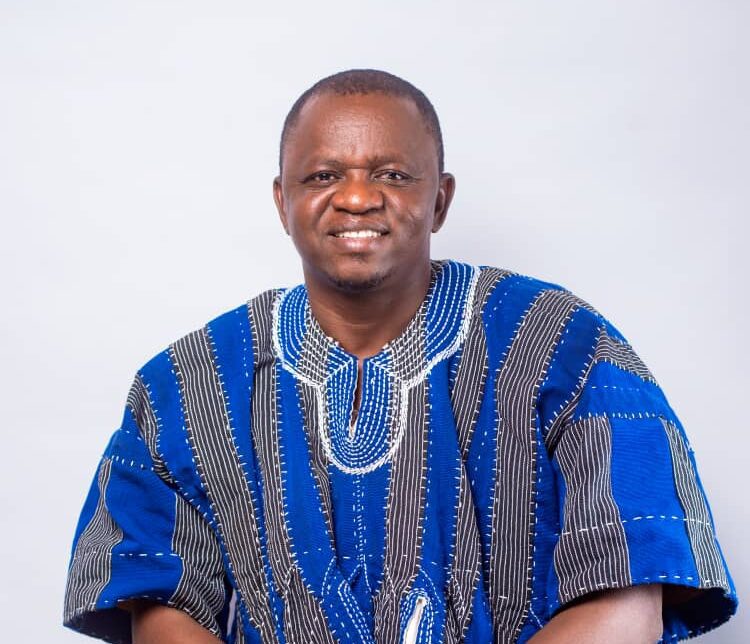
Hon. Ebenezer Alumire Ndebilla, Member of Parliament (MP) for Zebilla has laid the blame for Ghana’s erratic transport fare hikes squarely at the feet of “systemic greed” and a complete breakdown of regulatory oversight.
Speaking in an interview, Hon. Ndebilla argued that the current distortions in the sector reflect a deeper structural rot that goes far beyond the actions of a few rogue drivers. According to him, while the government claims to have created an “enabling environment,” for the private sector, the lack of a strong public transport framework has allowed unfair practices to flourish unchecked.
“Unfortunately, in the case of the transport system, when fuel prices decrease, and unions ask drivers to reduce fares, some private drivers instead increase their fares. It is about time the government looks at it properly. We should look at what to do to make sure that the drivers work according to the rules”
Hon. Ebenezer Alumire Ndebilla, MP for Zebilla
The MP noted that even when global economic factors like fuel prices or exchange rates improve, the benefits are rarely passed down to the Ghanaian commuter. He pointed to the entrenched greed within the system, where operators are quick to raise fares but never to lower them, even when the dollar depreciates or fuel costs drop.
For Hon. Ndebilla, the only permanent solution is for the government to fix these structural gaps rather than simply appealing to the conscience of individual operators.
Beyond Mere Dialogue
Adding up to Hon. Ndebilla’s comments, Alhaji Fuseini Issah, former MP for Okaikwei North also noted that the persistent shortage of commercial buses in urban centers cannot be resolved through talk alone.
The former MP called for a comprehensive overhaul of the entire urban transport architecture, arguing that the Ministry of Transport‘s current strategy of holding meetings with unions is a piecemeal approach to a holistic crisis.
Issah questioned the effectiveness of repeated consultations with the Ghana Private Road Transport Union (GPRTU), warning that these discussions fail to address the root causes of “artificial scarcity,” during peak hours. He stressed that private sector participation in the transport industry must be properly rationalized within a clear and coordinated government-monitored system.
“We need to sit down and relook at urban transportation and have a system where private participation is rationalised. It is a holistic thing that we have to look at, but if we are saying we should meet up with people to discuss, I do not know how we are going to solve the problem of scarcity of buses”
Alhaji Fuseini Issah, former MP for Okaikwei North

Regulation vs. Restructuring
While both figures agree that the current state of transport is unsustainable, their proposed remedies offer a slight contrast in focus.
Ndebilla emphasized the failure of existing rules and the need for a state-led competitive alternative to force private operators into discipline. He views a robust public transport system as a natural regulator that would compel private drivers to remain competitive.
“Even in the market, with most imported goods, although the dollar has depreciated, prices remain high because people are not reducing their prices.
“This shows that there is some kind of greed in our system. A robust public transport system would naturally regulate excesses in the sector, as operators would be compelled to comply with rules to remain competitive”
Hon. Ebenezer Alumire Ndebilla, MP for Zebilla
On the other hand, Fuseini Issah focused on the inefficiency of the engagement model, suggesting that the government is essentially talking to the wrong people or using the wrong tools. He believes the problem is less about individual greed and more about an uncoordinated system where private players are allowed to operate without being properly integrated into a larger national plan.
“Consistent enforcement would serve as a lesson to all and help strengthen public confidence in the transport governance,” he said.
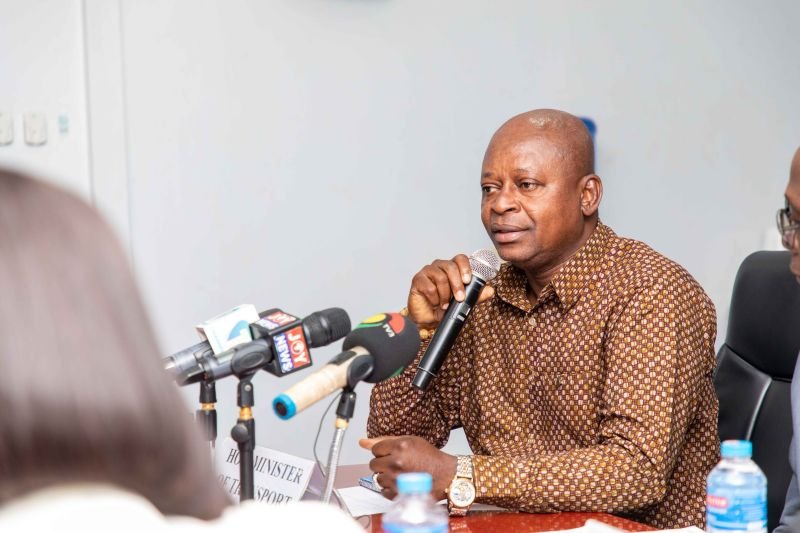
The combined weight of these perspectives puts immense pressure on the Minister of Transport, Hon. Joseph Bukari Nikpe. The Government revealed that the Minister has already summoned GPRTU officials over reports that drivers are deliberately reducing bus availability during rush hours to maximize profits through illegal fare hikes.
In response, the GPRTU has promised to deploy a task force to “sanitize” the streets, but as Hon. Ndebilla and Issah have argued, a task force is merely a temporary fix for a broken foundation.
Until the government moves from “meetings” to “modernization,” the urban commuter will continue to be a victim of a system where profit is prioritized over public service. The time for structural reform is now, before the transport sector completely collapses under the weight of its own distortions.
READ ALSO: Investors Stay Selective on GSE as NewGold ETF Shines in Low-Volume Session