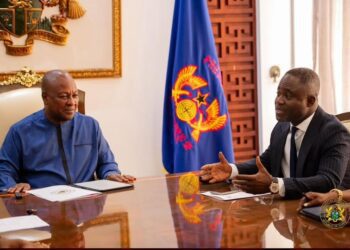
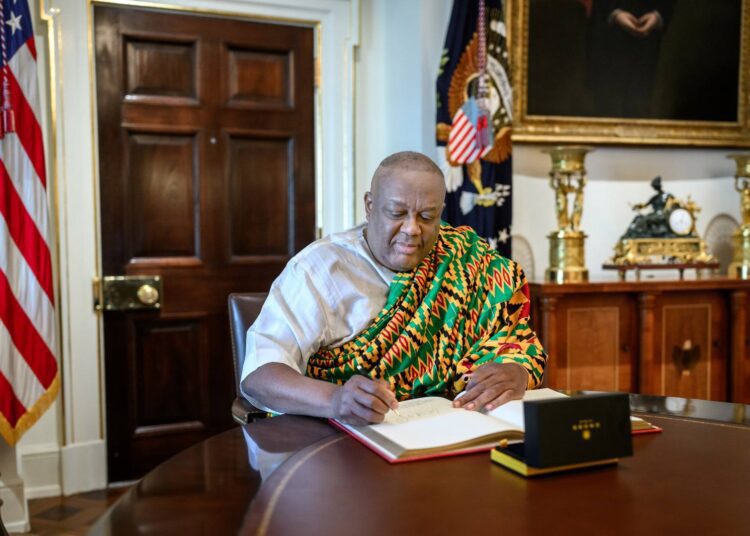
The United States Government has confirmed that its recent decision to pause immigrant visa processing for selected countries does not affect B1 and B2 non immigrant travel visas, Ghana’s Ambassador to the United States, Victor Emmanuel Smith, has clarified.
His assurance follows growing public concern after the US State Department announced a temporary suspension of immigrant visa processing for 75 countries, including Ghana.
The clarification comes in response to widespread uncertainty among Ghanaians who feared the new policy could disrupt travel plans for tourism, business, education, and short term visits.
According to Ambassador Smith, official communication from the US State Department makes it clear that only immigrant visas have been affected by the directive, while non-immigrant visa categories remain fully operational.
On January 14, 2026, the US State Department announced a temporary pause in immigrant visa processing as part of a broader review of screening and vetting procedures.
The pause takes effect from January 21, 2026, and has been described as indefinite, pending the outcome of the review. Immigrant visas are issued to individuals seeking permanent residency in the United States, commonly referred to as green cards, and are distinct from non-immigrant visas, which are issued for temporary stays.
Ambassador Smith explained that B1 and B2 visas, which cover short term travel for business and tourism, are not included in the suspension. He further noted that other non immigrant visa categories, including student visas and temporary work related permits, are also unaffected by the current measure.
Caution against Misinformation
He urged Ghanaians to avoid misinformation and to rely on official statements from the US Government and Ghana’s diplomatic missions. The US authorities have indicated that the pause is intended to allow a comprehensive reassessment of visa screening systems, with a particular focus on the application of public charge rules.

These rules are designed to prevent the admission of individuals deemed likely to become dependent on public welfare programs in the United States. Officials say the review aims to strengthen compliance with existing immigration standards rather than introduce a blanket ban on foreign nationals.
Under US immigration law, immigrant visas grant recipients the right to live and work permanently in the country and often serve as a pathway to citizenship. Non immigrant visas, by contrast, are time limited and issued for specific purposes such as tourism, business meetings, education, or short term employment.
Deliberate Policy Distinction
The US State Department has emphasized that the current policy distinction is deliberate and that embassies and consulates will continue to process non-immigrant visa applications as usual.
The immigrant visa pause affects a diverse group of 75 countries across Africa, the Middle East, Asia, Europe, and the Americas. In Africa, Ghana is joined by countries such as Nigeria, Somalia, Egypt, Senegal, Sierra Leone, Sudan, and Ethiopia.
Other affected nations include Iran, Iraq, Afghanistan, Yemen, Thailand, Pakistan, Bangladesh, Russia, Brazil, Colombia, and Belarus. US officials have described the selection as part of a global review rather than a region specific action.
For Ghana, the announcement comes against the backdrop of recent changes in US visa policy. In late 2025, restrictions that had limited most Ghanaian visas to three month single entry terms were lifted following diplomatic engagements between Accra and Washington.
That development was seen as a positive step in bilateral relations, particularly after cooperation on migration management and the repatriation of Ghanaian nationals who did not qualify to remain in the US.
During the same period, Ghana was also exempted from a 15 percent tariff imposed on several countries by the Trump administration, further reinforcing perceptions of improving relations between the two countries.
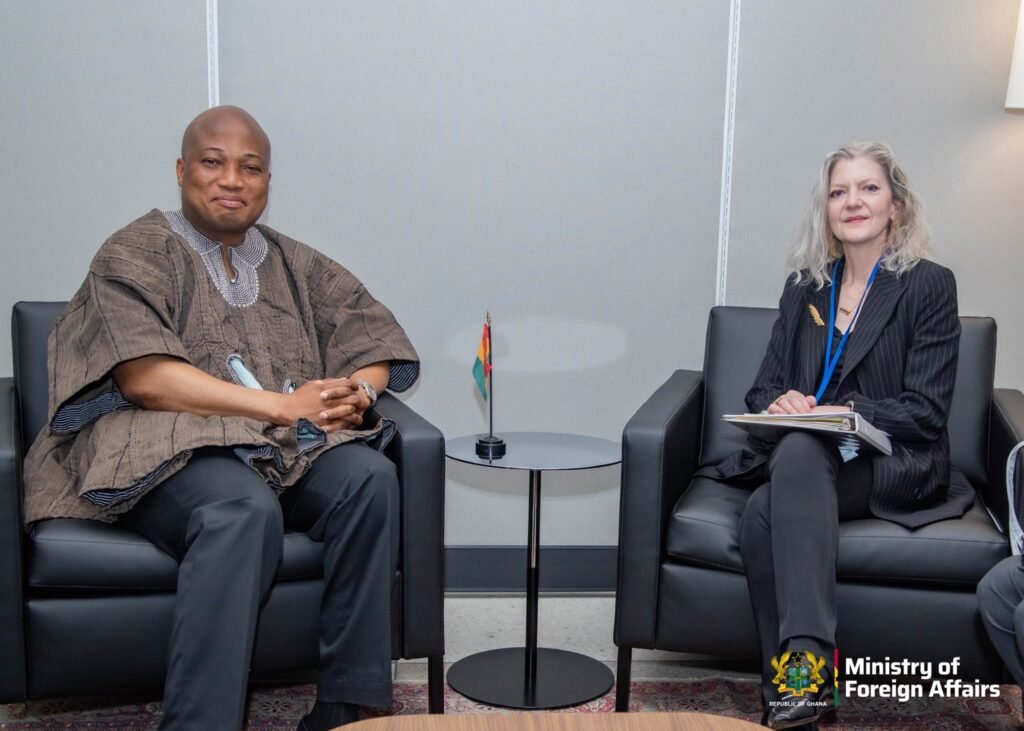
These gains contributed to expectations of greater stability in travel and trade engagement, making the January 2026 immigrant visa pause a source of renewed anxiety for many prospective migrants.
No Cause for Alarm
Ambassador Smith stressed that the new directive should be understood within its specific scope. He noted that while the pause may affect individuals seeking to relocate permanently to the United States, it does not reverse the progress made in facilitating short term travel.
He added that Ghanaian students, tourists, and business travelers can continue to apply for visas and attend interviews through the usual channels. The ambassador also emphasized that the pause is procedural rather than punitive.
According to US officials, it is not intended to single out affected countries for sanctions but to standardize vetting practices across multiple jurisdictions. The US State Department has maintained that the review will help ensure that immigrant visa applicants meet established eligibility requirements and that outcomes will be communicated once the process is complete.
Despite these assurances, the pause has implications for Ghanaians pursuing permanent residency through family reunification, employment based immigration, or diversity visa programs.
Applicants who have already submitted documentation or attended interviews may experience delays, and some cases may remain on hold until the review is concluded. The indefinite nature of the suspension has heightened concern among families awaiting reunification and professionals planning long term relocation.
Temporary pauses and reviews are not unusual in US immigration policy, particularly during periods of administrative transition or policy reassessment. Similar measures in the past have resulted in revised guidelines rather than permanent restrictions.

However, prolonged uncertainty can place emotional and financial strain on applicants whose plans depend on timely processing. Ghana’s diplomatic mission in Washington has indicated that it remains engaged with US authorities to monitor developments and to advocate for clarity on timelines and potential exemptions.
Ambassador Smith encouraged affected applicants to remain patient and to stay informed through official embassy updates rather than unverified online sources. For now, the message from both the US State Department and Ghana’s High Commissioner is clear.
The immigrant visa pause does not affect B1 and B2 non-immigrant travel visas. Ghanaians seeking to travel to the United States for tourism, business, school, or short-term visits can continue to do so under existing procedures. In contrast, those seeking permanent residency will need to await further guidance as the US completes its policy review.
READ ALSO: COPEC Predicts Price Competition Among OMCs to Continue in January’s Second Window