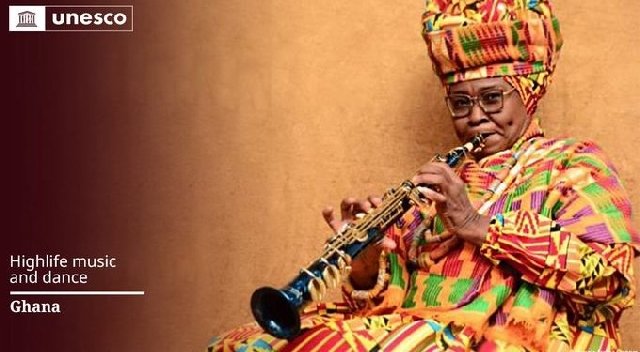
Ghana has marked a defining moment in its cultural history as Highlife music, the nation’s most iconic and influential musical tradition, has officially been inscribed on the UNESCO Intangible Cultural Heritage list.
The confirmation, announced on Wednesday, November 10, represents a significant global endorsement of a genre that has shaped Ghana’s cultural identity for more than a century.
For many Ghanaians, this recognition is more than an artistic achievement. It is a reaffirmation of the country’s creative spirit, historical legacy and its deep contribution to global musical evolution.
UNESCO’s Recognition and What It Means
In its announcement, UNESCO praised Highlife as a “remarkable embodiment of Ghana’s creativity and cultural legacy.”
This acknowledgment highlights not only the aesthetic beauty of the genre but also the generations of musicians, cultural custodians and communities who have sustained Highlife through periods of transition and reinvention.
With this inscription, Highlife joins the ranks of the world’s protected and celebrated cultural traditions, underscoring its global relevance and timeless appeal.


NESCO’s recognition is expected to have far reaching benefits, especially for tourism, cultural studies and international creative arts investment.
Highlife’s newly elevated status strengthens Ghana’s position on the global cultural map and attracts increased interest in music archiving, research and the preservation of traditional art forms. It signals to the world that Ghana possesses a cultural treasure worth studying, celebrating and safeguarding for future generations.
A Century of Musical Brilliance and Cultural Influence
Highlife music traces its roots to the early 20th century, emerging as a harmonious blend of traditional Ghanaian rhythms and Western instrumentation. Its signature horn arrangements, guitar patterns and storytelling lyrics quickly became a unifying soundtrack for communities across the country.
Over the decades, Highlife evolved into a vibrant expression of Ghana’s social life, addressing themes of morality, migration, love, hardship and community identity..
The inscription reinforces Highlife’s status as Ghana’s most influential musical heritage. For more than 100 years, the genre has shaped not only entertainment but also Ghana’s collective consciousness.
It becomes the heartbeat of social gatherings, state functions, community festivals and everyday life. Its emotional depth and rhythmic richness helped create an enduring bond among Ghanaians of all backgrounds.
Legendary Pioneers Who Built the Highlife Legacy
The global recognition of Highlife cannot be appreciated without acknowledging the legendary musicians who carried the genre across generations.
Icons such as E.T. Mensah, often celebrated as the King of Highlife, played a monumental role in popularising the sound across Africa. Nana Ampadu, A.B. Crentsil, Paapa Yankson, Amakye Dede, Kojo Antwi, Rex Omar and the late K.K. Kabobo also contributed immensely, each adding their unique style and influence.
These pioneers elevated Highlife into an evolving art form that inspired modern genres such as hiplife and Afrobeats. Their creativity laid the foundation for contemporary artists who continue to draw inspiration from Highlife’s melodies, arrangements and storytelling traditions. With UNESCO’s approval, their contributions receive renewed global attention and appreciation.
Highlife’s Role Beyond Entertainment
Highlife has always been more than music. It has been a voice for the people, a cultural compass and a reflection of society.
The genre has chronicled Ghana’s historical transitions, from colonial times to independence and beyond. Its lyrics often speak to social issues, offering wisdom, caution and hope. This ability to blend entertainment with education is one reason the genre has remained relevant across generations.
Highlife also plays a crucial role in unifying Ghanaians. Regardless of ethnic background, class or age, Highlife melodies resonate with a shared sense of identity. It is a cultural bridge that connects the past to the present and guides the future of Ghana’s music industry.
With its inscription on the UNESCO Intangible Cultural Heritage list, Highlife is now protected, preserved and promoted on a global stage. This recognition ensures that the genre will be studied, documented and shared widely. It encourages the development of educational programs, music festivals, heritage projects and archival initiatives that will safeguard Highlife’s legacy.
For Ghana, this is a victory which marks a new chapter in the country’s journey to preserve its traditions while advancing its creative industries.
READ ALSO: Government Withdraws Atlantic Lithium Agreement Bill in Parliament