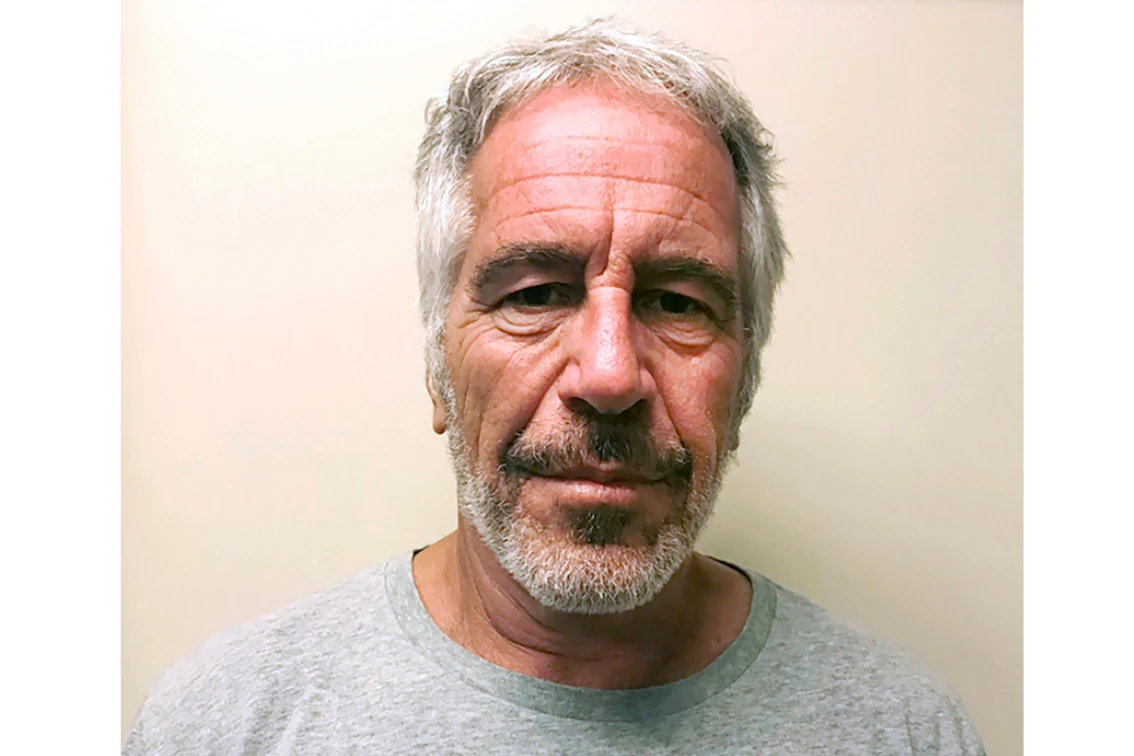
A federal judge in New York has ruled the US Department of Justice can publicly release grand jury records from Jeffrey Epstein’s 2019 sex trafficking case.
US District Judge Richard Berman’s ruling reverses his previous decision to keep the material sealed.
Judge Berman in August had denied a previous justice department request to unseal the grand jury materials, saying that he had concerns about “possible threats to victims’ safety and privacy.”
The judge previously cautioned that the 70 or so pages of grand jury materials slated for release are hardly revelatory and “merely a hearsay snippet” of Epstein’s conduct.
However in today’s ruling, he said that the materials could now be released because of the Epstein Files Transparency Act, which was signed into law by US President Donald Trump last month. The law requires the justice department to release investigative material related to Epstein by 19 December, including unclassified records, documents and communications.
It also allows the department to withhold files that involve active criminal investigations or raise privacy concerns.


Berman noted in his ruling that the transparency law “unequivocally intends to make public Epstein grand jury materials and discovery materials” that had previously been covered by secrecy orders. He wrote that the law “supersedes the otherwise secret grand jury materials.”
With his ruling, Berman joined two other judges in granting the Justice Department’s requests to unseal material from investigations into the late financier’s sexual abuse.
The latest ruling comes a day after another judge made a similar ruling in the case of Ghislaine Maxwell, who was convicted in 2021 for her role in facilitating Epstein’s abuse. Last week, a judge in Florida approved the unsealing of transcripts from an abandoned Epstein federal grand jury investigation in the 2000s.
Esptein was charged with sex trafficking in July 2019. He died in a New York prison cell a month later while awaiting trail.
Epstein, a millionaire money manager known for socializing with celebrities, politicians, billionaires and the academic elite, killed himself in jail a month after his 2019 arrest.
Maxwell was convicted in 2021 by a federal jury of sex trafficking for helping recruit some of Epstein’s underage victims and participating in some of the abuse. During her trial, prosecutors argued Maxwell recruited and groomed girls, some as young as 14, between 1994 and 2004, before they were abused by Epstein. She is serving a 20-year prison sentence.
Maxwell’s lawyer told a judge last week that unsealing records from her case could spoil her plans to file a habeas petition, a legal filing seeking to overturn her conviction. The Supreme Court in October declined to hear Maxwell’s appeal.
Judge Deems Epstein Victims’ Safety And Security Paramount
Judge Berman said that the victims have the right to “have their identity and privacy protected,” adding that their “safety and privacy are paramount.”
The judge implored the Justice Department to carefully follow the law’s privacy provisions to ensure that victims’ names and identifying information are redacted, or blacked out.
In court filings, the Justice Department informed Berman that the only witness to testify before the Epstein grand jury was an FBI agent who, the judge noted, “had no direct knowledge of the facts of the case and whose testimony was mostly hearsay.”
The agent testified over two days, on June 18, 2019, and July 2, 2019. The rest of the grand jury presentation consisted of a PowerPoint slideshow and a call log. The July 2 session ended with grand jurors voting to indict Epstein.
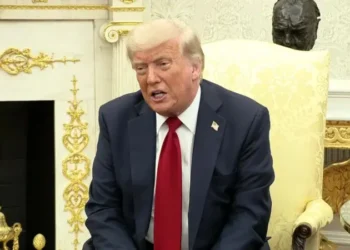
Questions about the government’s Epstein files have dominated the first year of Trump’s second term, with pressure on the Republican intensifying after he reneged on a campaign promise to release the files.
His administration released some material, most of it already public, disappointing critics and some allies.
READ ALSO: NAGRAT Gives Government 14 Days to Act on Kade SHTS Assault Before Strike Action