Ghana’s energy future is entering a decisive phase as government pursues a carefully balanced strategy that strengthens traditional oil and gas production while accelerating the country’s transition toward cleaner energy sources.
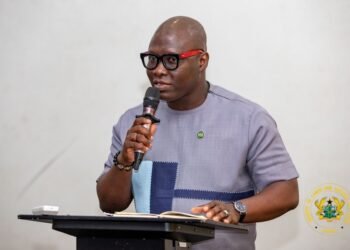
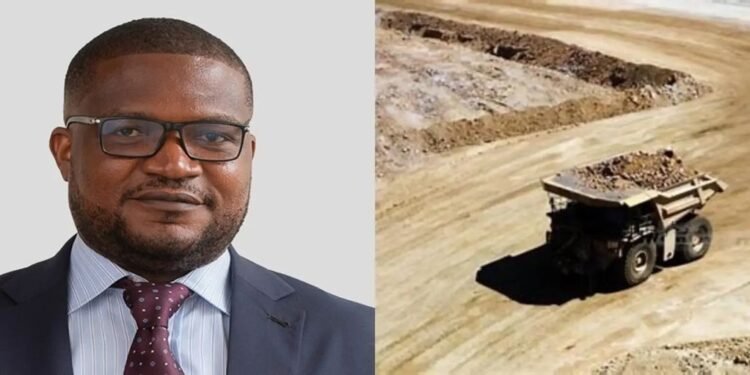
According to Dr Yussif Sulemana, Technical Advisor and Second Gas Processing Plant Focal Point at the Ministry of Energy and Green Transition, the country’s economic stability is inseparable from how effectively it manages its energy systems.
“Energy is a lifeblood of our economic survival,” Dr Sulemana said, warning that failure to get the energy mix right would cause “all your economic variables to start to oscillate in ways that you may not understand.”
His remarks underscore the central role energy plays in inflation control, industrial growth, job creation and overall macroeconomic stability.

“With the Minister of Energy and Green Transition, you’ve noticed that we are entering the new era, the era where we are gravitating to renewables.”
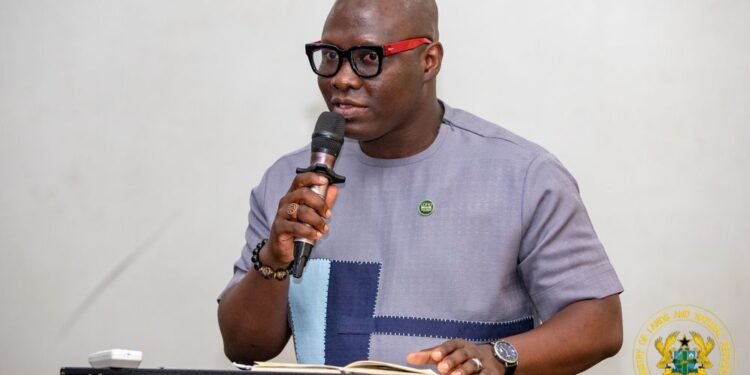
Dr Yussif Sulemana, Technical Advisor at the Ministry of Energy and Green Transition
He added that the rebranding and restructuring of the ministry was deliberate, noting that “it’s not by mistake that we have the Ministry now, the Minister of Energy and Green Transition.”
The move, he said, positions Ghana to align with global climate goals while still addressing domestic energy needs.


Oil and Gas Remain Critical
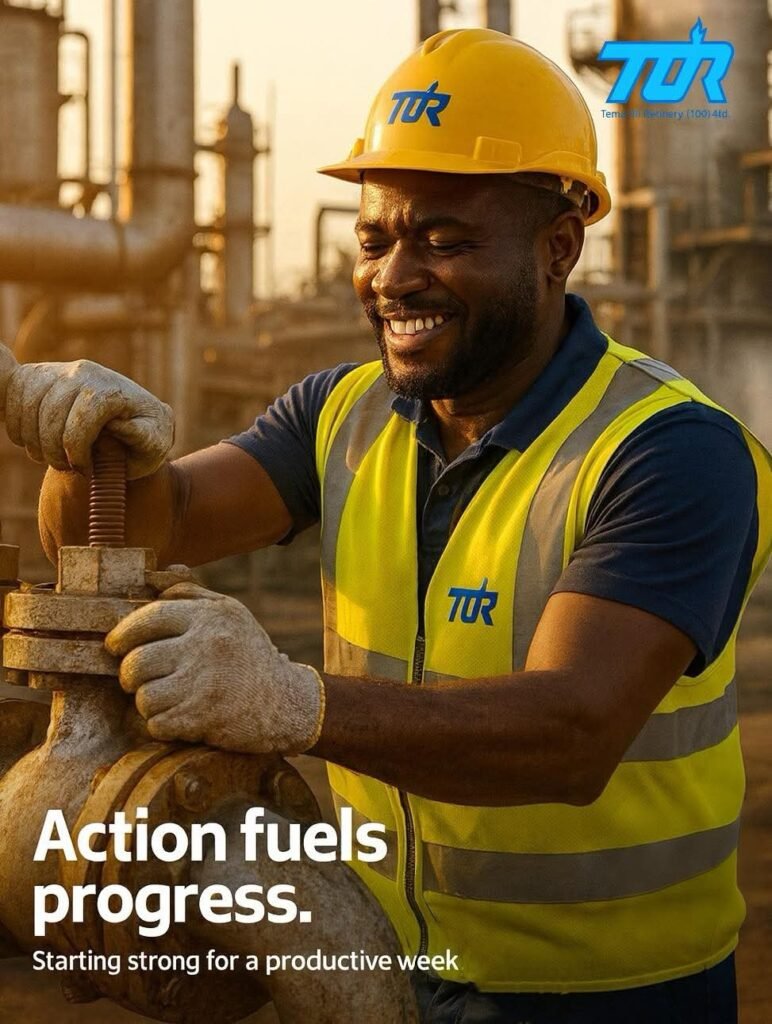
Despite the push toward renewables, Dr Sulemana was clear that oil and gas will continue to play a dominant role in Ghana’s energy and economic framework for the foreseeable future.
He emphasized that hydrocarbons remain the backbone of global energy supply, making an abrupt shift away from them neither realistic nor economically prudent.
“We have always believed, and we haven’t had the intention, that hydrocarbon, which is oil and gas, will continue to be a major state in championing our economic survivor.”
Dr Yussif Sulemana, Technical Advisor at the Ministry of Energy and Green Transition
He noted that this reality extends beyond Ghana and Africa, pointing out that “oil and gas are 70 to 80% of global energy [that] is still driven by oil and gas.”
For Ghana, oil and gas revenues, he said, remain vital for financing development and driving industrialisation.
Investing in the Green Transition
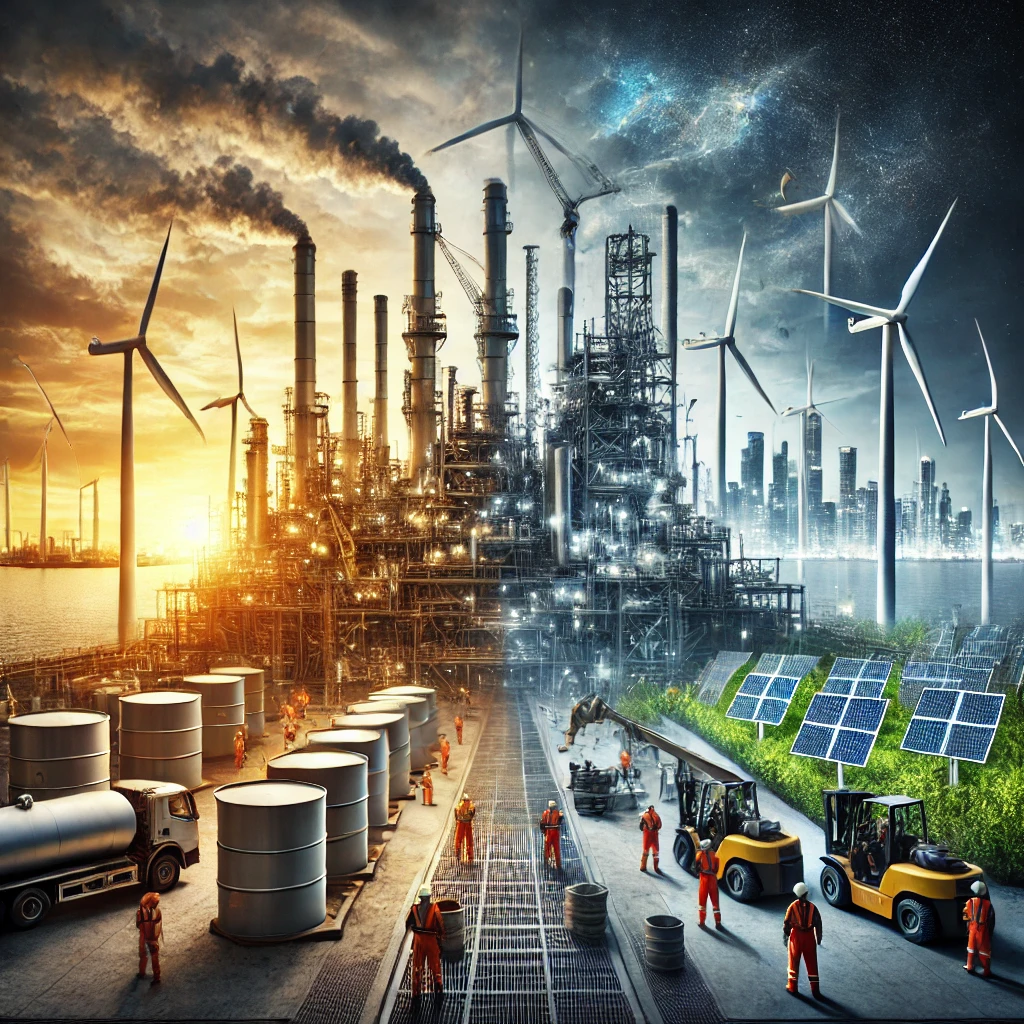
At the same time, Dr Sulemana acknowledged the finite nature of fossil fuels, stressing the importance of diversification.
“We are also taking upon ourselves to invest and diversify the portfolio within the Ministry to also encapsulate the Green Transition.”
Dr Yussif Sulemana, Technical Advisor at the Ministry of Energy and Green Transition
Rather than choosing one path over the other, Ghana is pursuing both simultaneously. “So we are working the two in parallel to the extent that we don’t allow one to affect the other,” Dr Sulemana explained, adding that oil and gas are still expected to “bright our industrialization,” even as renewables are scaled up.
Turning Around Power Supply Challenges
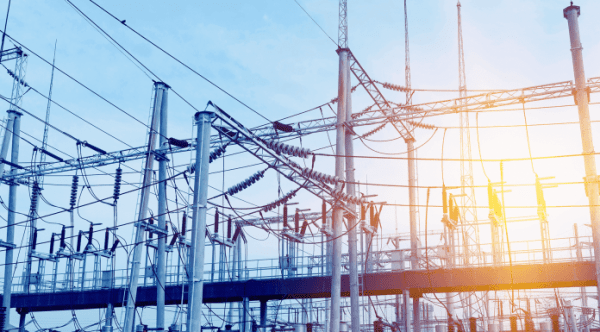
Dr Sulemana also addressed recent concerns about power reliability, recalling the erratic supply experienced earlier in the year. He attributed the subsequent improvement in electricity stability to deliberate policy choices and sustained technical effort rather than chance.
According to him, the ministry embarked on a vigorous revitalization of both upstream and downstream petroleum operations to stabilise fuel supply for power generation.
A key element of the turnaround, Dr Sulemana said, has been Ghana’s renewed focus on gas-to-power. He explained that for years, the power and petroleum sectors were treated as separate, limiting efficiency and increasing costs.
“We have segregated the power and the petroleum sector as if they are individual entities,” he noted. That approach is now changing, with gas increasingly positioned as the bridge between fossil fuels and cleaner energy.
“In the strategy, we are championing what we call gas to power,” he said, explaining that Ghana previously relied heavily on liquid-based fuels, which were costly and environmentally unfriendly.
By expanding gas infrastructure and integrating it more closely with power generation, the ministry aims to reduce costs, lower emissions and improve reliability.
Dr Sulemana’s remarks reflect Ghana’s broader energy challenge: meeting immediate economic and industrial needs while preparing for a low-carbon future.
As Ghana navigates this transition, energy policy remains central to its economic survival and long-term growth, with the Ministry of Energy and Green Transition positioned at the heart of that effort.
READ ALSO: Economist Attributes Ghana’s Persistent Debt to Deep-Seated Structural Deficiencies