Ghanaians are beginning to gain confidence in the country and its leaders, as corruption reduces and the fight against corruption grows stronger.
According to the latest Global InfoAnalytics Poll, more than half of Ghanaians are confident that the government is fighting corruption, implying that corruption has reduced in Ghana. While 56 percent of voters believe the fight against corruption has improved, 20 percent say it is unchanged, and 17 percent think it has worsened.
In 2024, Transparency International ranked Ghana as the 80th most corrupt country globally with a score of 42/100. This indicated that public sector corruption has been a challenge for Ghana. The corruption actors, according to Transparency International, mainly included the police, the judicial sector, and government officials. These reflect people’s daily interaction with the menace.
Aligning to President Mahama’s Vision
Reducing corruption and its perception in the Ghanaian economy has several ripple effects on the government, citizens, and growth.

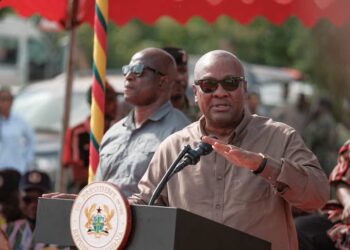
Effectively fighting corruption boosts public and investor confidence, which encourages investment, improves tax compliance, and supports economic stability and growth. President John Dramani Mahama has declared, ‘Ghana is Open for Business,’ to the international world. Feedback like this expands the influence of the President and his commitment to the people of Ghana.
This fight against corruption, as pronounced by President Mahama on many occasions, fits into his broad structural reform and recalibration of the Ghanaian economic atmosphere.
According to President Mahama, the confidence of Ghanaians in their leaders must be regained before economic prosperity can be achieved and sustained.

The poll from the reputable firm, which reflects a positive perception of the government’s anti-corruption efforts, resonates with the government’s guarded image and with the citizens. The results of the poll link to broader confidence in the country’s economic direction. Increased public confidence and optimism lead to increased consumer confidence and a general sense of optimism about future living standards.
Implication on the Ghanaian Economy
One of the indicators for both domestic and foreign investors is corruption and its perception in the investor destination. Businesses have admitted that corruption is a significant risk and cost of doing business. A perceived improvement in the fight against corruption can reduce uncertainty, making Ghana a more attractive investment destination. As investor confidence is enhanced, investment increases, which in turn drives job formation and economic growth.

As public confidence in the government’s handling of corruption grows, citizens become confident that taxes paid are being used cautiously. Improved fiscal management can enhance tax morale and compliance, increase government revenue, and reduce reliance on excessive borrowing.
As the government anticipates revenue improvement in 2026, through widening the tax net and enhancing compliance, improved public perception of the government’s fiscal discipline would support the cause.
For Ghanaians to express confidence, they have seen the government’s aptness in productive investments, such as infrastructure, healthcare, and education, rather than being lost to financial malfeasance. Resource allocations have been effective, the conduct of leaders has improved, and a long-term sustainable development is in sight.
The conceptualization of local perception on the economy, alongside positive ratings and commendations from the international institutions, strengthened international relations and Aid. Donor agencies and international partners often consider good governance and anti-corruption efforts as key conditions for aid and financial support. A positive public perception can help maintain or improve these relationships, potentially leading to continued or increased development assistance.

Public perception serves as a powerful psychological indicator that influences real economic behaviors and outcomes, disclosing the essence of objective measures of corruption and its perception.
Growing Perception and Confidence in the Fight Against Corruption
As a country, Ghana must strengthen oversight institutions to leave no room for passes, warnings, and selective justice when dealing with corruption. Many analysts and experts have called for independent institutions separate from the government to hold the mandate of fighting corruption cases.

The state institutions must be policed with constant reviews and audits to bar impunity and confidence in engaging in the act, as some grow confident of not being caught.
Currently, with the illegal mining canker fight going on, a significant number of Ghanaians have called for specialized courts to facilitate prosecutions. Similarly, establishing dedicated anti-corruption courts for faster case resolution has been proposed.
Legal reforms have been called for by some Ghanaians to ensure a comprehensive anti-corruption law and stronger enforcement mechanisms.
Analysts note that corruption remains a persistent issue in Ghana, impacting daily lives and governance. This necessitates strong legal and institutional reforms to combat it effectively, despite some relative improvements.
READ ALSO: Ghana to Lose $300m in 2025 over GoldBod Activities – Minority Hints