Leaders from Europe and Canada have held talks on US-led peace efforts to end the nearly four-year war between Russia and Ukraine.
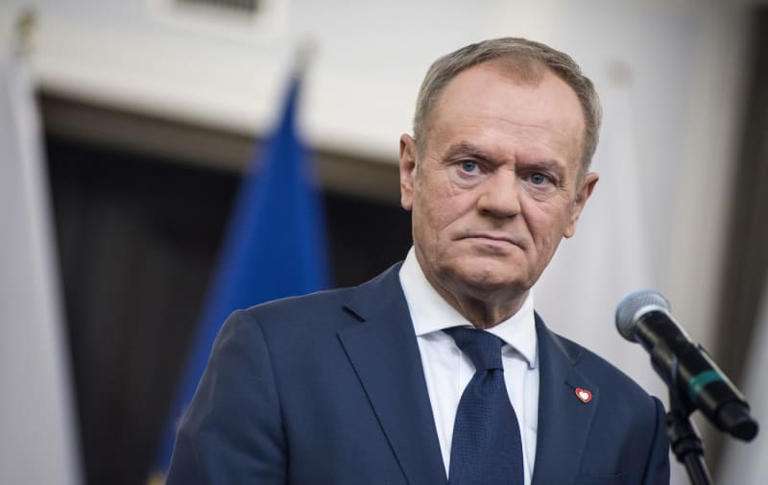
According to Polish Prime Minister Donald Tusk, the virtual meeting included European leaders as well as Canadian Prime Minister Mark Carney, Heads of European institutions and NATO Secretary-General Mark Rutte.
It was the first meeting of European leaders since US President Donald Trump hosted Ukrainian President Volodymyr Zelenskyy at his Florida resort on Sunday.
Trump insisted that Ukraine and Russia are “closer than ever before” to a peace settlement, although he acknowledged that outstanding obstacles could still prevent a deal.
Tusk was reported as saying at a government meeting that peace “is on the horizon, there is no doubt that things have happened that give grounds for hope that this war can end, and quite quickly, but it is still a hope, far from 100% certain.”
“When I say peace is on the horizon, I’m talking about the coming weeks, not the coming months or years. By January, we’ll all have to come together… to make decisions about the future of Ukraine, the future of this part of the world.”
Donald Tusk
German Chancellor Friedrich Merz, who attended the talks, said in a post on X, “We are moving the peace process forward,” adding, “Transparency and honesty are now required from everyone — including Russia.”


The intensive diplomacy by European leaders can only achieve so much as the war is likely to continue until Kyiv and Moscow come to an agreement on territorial issues and the status of the Russian-occupied Zaporizhzhia nuclear plant.
Russia, Ukraine Spar Over Claims Of Attempted Attack On Putin’s Residence
The virtual meeting came as Moscow and Kyiv sparred over Russian claims, denied by Ukraine, of a mass drone attack on a lakeside residence used by President Vladimir Putin.
Russian and Ukrainian officials exchanged bitter accusations over Moscow’s allegations that Ukraine attempted to attack the Russian leader’s residence in northwestern Russia with 91 long-range drones after Trump’s Sunday talks with Zelenskyy.
The claims of the alleged attack were first publicly aired by Russian Foreign Minister Sergei Lavrov, who said yesterday that Russian air defences had shot down 91 incoming drones overnight. “Such reckless actions will not go unanswered,” he added, condemning what he described as “state terrorism.”
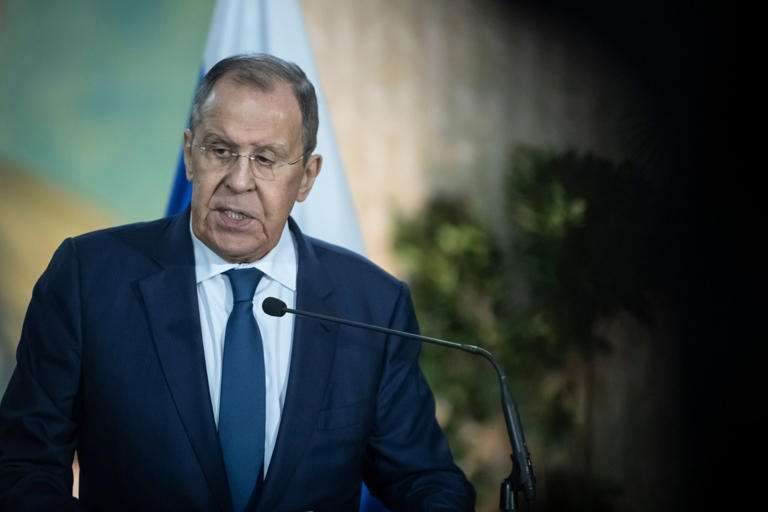
He stated that targets for retaliatory strikes against Ukraine had already been selected. No damage or casualties were reported, nor were any pictures provided.
The claims and counterclaims threatened to derail peace efforts. Russia said yesterday that it would review its position in peace negotiations after the alleged Ukrainian drone attack.
Meanwhile, Ukrainian Foreign Minister Andrii Sybiha noted today that Russia “still hasn’t provided any plausible evidence” to support its allegations. He noted on X that Moscow won’t do so because “no such attack happened.”
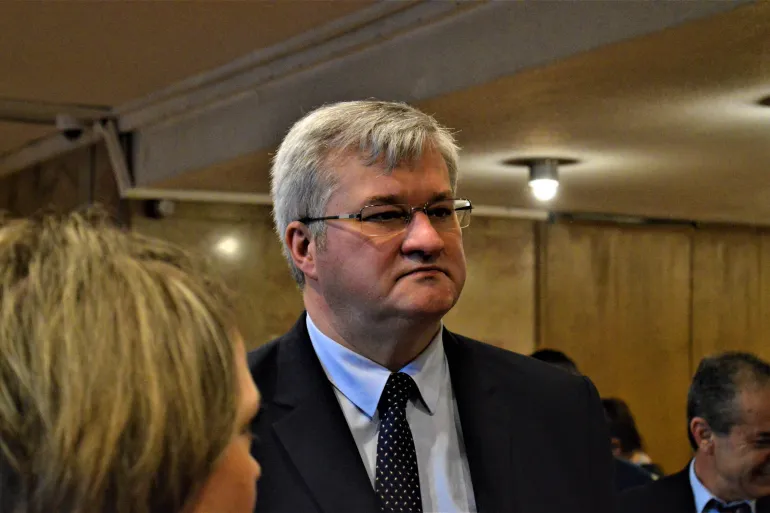
Sybiha added that making “false claims” is a “signature tactic” deployed by Russia, which he says often accuses “others of what they themselves plan to do.”
“We were disappointed and concerned to see the statements by Emirati, Indian, and Pakistani sides expressing their concerns regarding the attack that never happened.
“It is even more surprising given that all three states failed to issue any official statements when a real Russian missile struck the real Ukrainian government building on September 7, 2025.”
Andrii Sybiha
Kremlin Spokesperson Dmitry Peskov countered that the alleged Ukrainian attack is “aimed at thwarting President Trump’s efforts to promote a peaceful resolution” to the war.
Peskov didn’t say whether Moscow would present physical evidence of the attack, such as drone wreckage, saying that such a step would be a matter for Russia’s military. “I don’t think there needs to be any evidence here,” he said.
Russia and Ukraine have throughout the war exchanged accusations about attacks that cannot be independently verified because of the fighting.
READ ALSO: Bangladesh Mourns As Former Prime Minister Khaleda Zia Dies At 80