Fuel prices at the pumps in Ghana have begun to ease, offering consumers some relief at the start of the year. However, analysts caution that emerging geopolitical tensions, particularly developments in Venezuela involving the United States, could alter the outlook if global oil markets react sharply.
Charted Energy Economist Aephaniel Owusu-Agyemang has urged the Government of Ghana to closely track developments in the international oil market and adopt proactive measures to cushion the domestic economy.
Speaking on the potential implications of the situation in Venezuela, he stressed the importance of preparation rather than reaction.
“The government of Ghana should continue monitoring the way the oil market is going to be like, especially in the long term,” he said, noting that Ghana’s heavy reliance on imported petroleum products makes it vulnerable to external shocks.
According to him, any favourable movements in the market should be leveraged to strengthen supply security.



He suggested that authorities take advantage of relatively stable exchange rates to increase fuel imports and build strategic storage buffers. This, he explained, could help Ghana withstand future disruptions if prices suddenly spike.
In recent weeks, motorists across Ghana have started to enjoy modest reductions in petrol and diesel prices, largely driven by easing international crude prices and relative stability in the foreign exchange market.
These gains, energy analysts say, could be vulnerable to sudden shocks from geopolitical flashpoints, especially in major oil-producing regions.
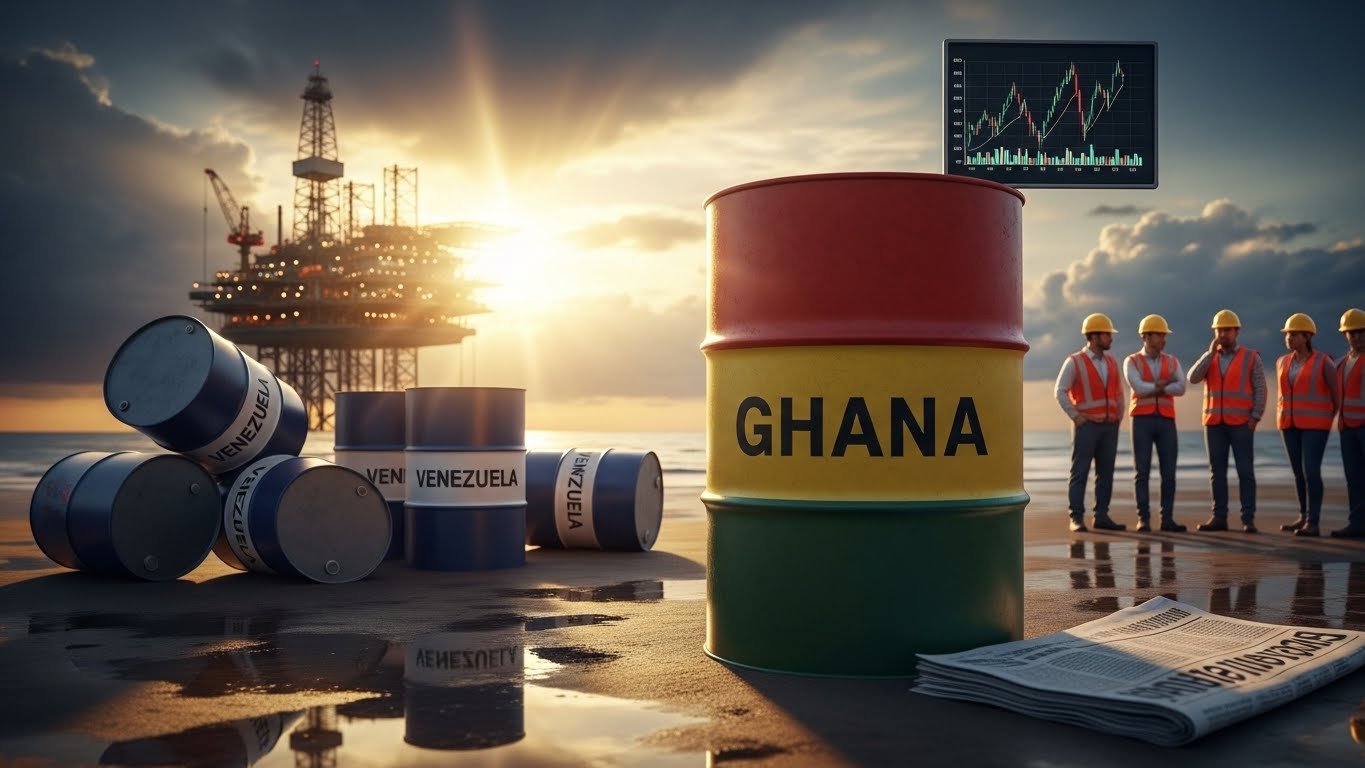
Venezuela, a key member of the Organization of the Petroleum Exporting Countries (OPEC), has re-emerged as a focal point of global energy discussions following heightened U.S. involvement in the country’s political and oil affairs.
Although the market response has so far been muted, concerns persist about how prolonged intervention or sanctions could influence crude supply and prices over time.
Leveraging Storage and Timing Imports
Mr. Owusu-Agyemang stressed that strategic timing in fuel imports could play a critical role in mitigating the impact of future price volatility.
“If the market is going to respond positively, then the government of Ghana should take advantage of it and try as much as possible now the dollar rates… to get more import into the country more or less like to keep it as storage.”
Charted Energy Economist Aephaniel Owusu-Agyemang
Such an approach, he said, would reduce the immediate impact of sudden price spikes on local fuel costs.
The economist added that strengthening storage capacity and improving supply planning could help stabilize pump prices, especially during periods of heightened geopolitical uncertainty.
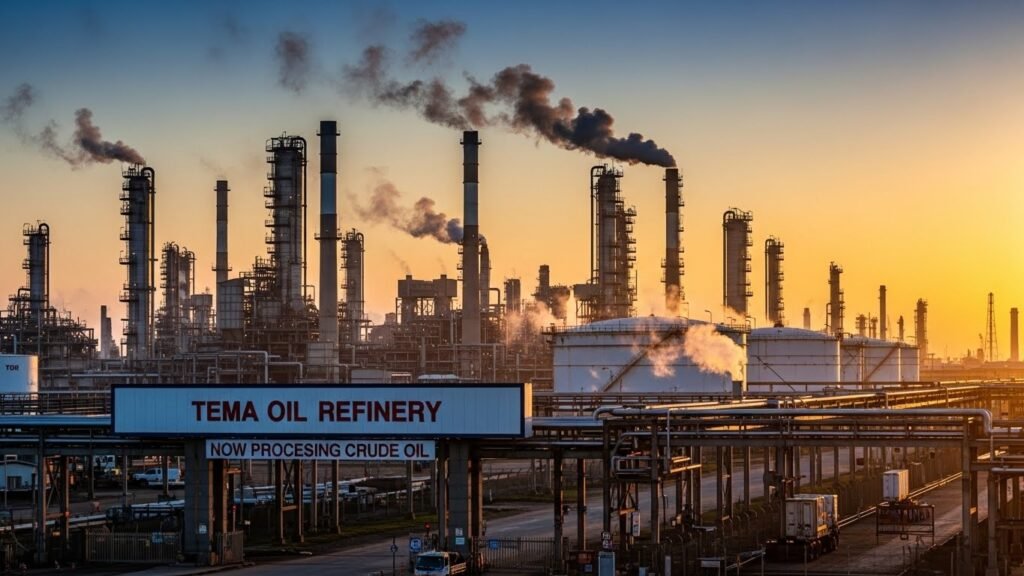
Mr. Owusu-Agyemang also pointed to the recent restart of the Tema Oil Refinery (TOR) as a strategic advantage Ghana can leverage in managing potential oil market shocks.
“Now we’ve also got the Tema Oil Refinery working, and so if we are going to get more of it, then probably in the future, if there’s going to be anything that’s going to have a negative impact in the market, then we wouldn’t be able to feel the shock that much.”
Charted Energy Economist Aephaniel Owusu-Agyemang
He described TOR’s operations as a stabilizing factor that could help Ghana refine crude locally, add value within the country and maintain more predictable supply levels. According to him, this approach would be particularly useful if global markets experience turbulence.
Short-Term Stability Despite Venezuela Developments
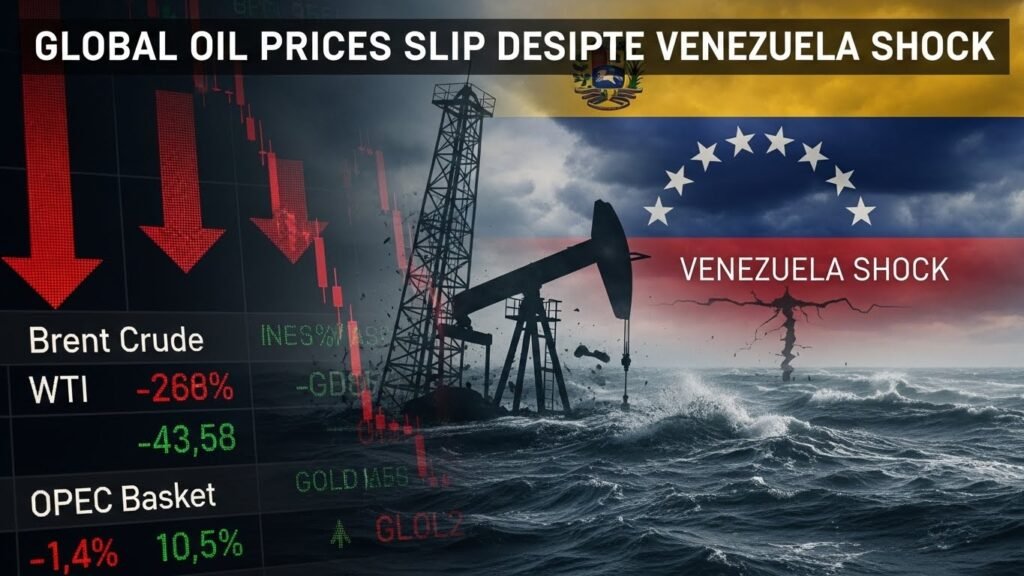
Despite the concerns, Owusu-Agyemang believes the immediate risk of supply shortages remains limited. He noted that statements from U.S. political leadership suggest increased oil production could offset potential disruptions linked to Venezuela.
He said, “In the short-term period, in terms of the risk, in terms of supply, we are not really going to have a lot of issues,” adding that increased drilling and production could help keep the market well supplied. As a result, prices are expected to remain relatively stable in the near term.
He observed that current market data supports this view, as oil prices have not shown sharp reactions to the developments. “The market is not really reacting to the situation; we can see that the numbers have stabilised,” he noted.
While short-term conditions appear stable, Owusu-Agyemang warned that the long-term outlook remains uncertain. He explained that prolonged U.S. involvement in Venezuela’s political affairs could trigger responses from international bodies or regional blocs, potentially leading to sanctions or diplomatic standoffs that disrupt supply chains.
“In the long run, we would have to look at how the people, especially in terms of how government is going to be running in Venezuela and how it’s going to affect us.”
Charted Energy Economist Aephaniel Owusu-Agyemang
He added that sanctions or countermeasures could eventually tighten supply and push prices upward.
However, he also acknowledged the complexity of imposing sanctions on a global superpower like the United States, suggesting that diplomatic negotiations could ultimately prevail over punitive measures.
Excess Supply Could Keep Prices in Check
Despite these risks, the economist remains cautiously optimistic that global oil prices may not surge dramatically over the long term. He argued that increased U.S. production could lead to excess supply, helping to stabilize or even lower prices.
“When it comes to the Ghana oil market, I don’t think it’s going to help cause prices to grow up in the long run because the U.S. is going into the market, he’s going to pump more, he’s going to drill more of the oil.”
Charted Energy Economist Aephaniel Owusu-Agyemang
According to him, sustained supply growth would counterbalance geopolitical tensions, keeping prices under control and benefiting fuel-importing countries like Ghana.
As global attention remains fixed on Venezuela, analysts say Ghana’s best defence lies in vigilance, strategic planning and domestic capacity. With TOR operational and fuel prices currently easing, the country has a window of opportunity to prepare for future uncertainty.
For now, markets appear calm, but experts caution that geopolitical developments can evolve quickly, making preparedness essential to safeguarding Ghana’s energy and economic stability.
READ ALSO: Maduro Pleads Not Guilty To Drugs And Weapons Charges