A brewing price war in Ghana’s downstream petroleum sector is gaining momentum, placing Oil Marketing Companies (OMCs) at odds as public pressure for cheaper fuel collides with the National Petroleum Authority’s (NPA) approved price floor.
What began as consumer calls for relief at the pumps has escalated into a public contest over pricing credibility, regulatory compliance, and competitive positioning within the industry.
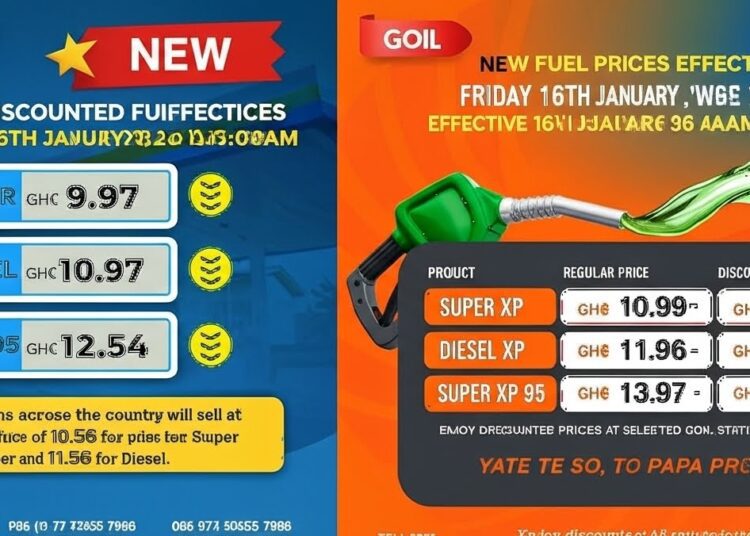
At the heart of the debate is the NPA-approved floor price of GH¢9.80 per litre for petrol (PMS) in the current pricing window, a benchmark intended to prevent predatory pricing while ensuring sustainability across the sector.
GOIL Boss Questions Credibility of Price Cut Advocates
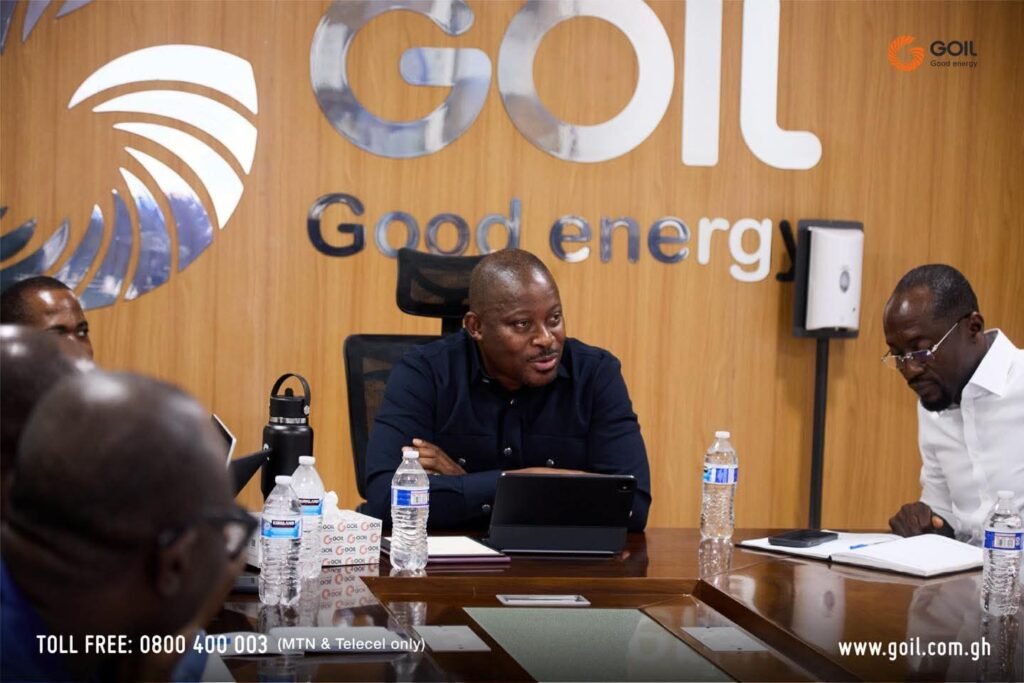
The latest flashpoint was sparked by comments from Edward Bawa, Managing Director of state-owned GOIL, who took to social media to challenge industry players advocating further price reductions. According to Mr Bawa, some of these calls appear inconsistent with current market behaviour.
“Some industry players are claiming that they can reduce prices further, yet in reality they cannot even compete at the approved floor price of GHS 9.80 for PMS in this pricing window.”
Edward Bawa, Managing Director of state-owned GOIL,
Mr Bawa questioned why OMCs calling for deeper cuts were selling petrol above the regulated minimum.
In his view, public advocacy for lower prices while operating above the floor price weakens the integrity of such claims. “Calling for deeper price reductions while pricing above the regulated floor undermines the credibility of that claim,” he said.
Night-Time Economy Proposal Sparks Industry Reaction
Mr Bawa’s comments were widely interpreted as a response to proposals from within the industry, including remarks attributed to StarOil Chief Executive Philip Tieku.
Mr Tieku had suggested that petrol could be sold at GH¢9.50 per litre during off-peak hours, specifically between 10pm and 4am, as a way to support Ghana’s emerging night-time economy.
The proposal quickly gained public attention, resonating with motorists and small business operators who see fuel costs as a critical factor in operating expenses. However, it also raised regulatory questions about compliance with NPA pricing guidelines.
While the idea was framed as an innovative approach to stimulate economic activity for night hours, critics argue that it risks undermining the existing pricing framework designed to ensure fairness and stability in the sector.
StarOil Fires Back, Defends Pricing Record

The debate escalated further when StarOil issued a strongly worded response defending its record and questioning the motives behind the criticism.
“When in 2022 prices were racing upwards unbearably for Ghanaians, we were the ones who used our 162 stations then, to keep prices as low as possible when the ‘other inefficient one’ who should have known better was busy pricing along with the ‘obroni’ ones.”
StarOil Chief Executive Philip Tieku
The company rejected suggestions that its credibility on pricing was in doubt. “Now they come questioning our credibility in low pricing??” Mr Tieku added.
StarOil also pointed to strong consumer response to its pricing strategy, claiming record-breaking sales in recent days.
“Starsavers are united more than ever before, and we had our highest daily sales on record so far this weekend.
“We are firmly on course to delivering 90 million litres by end of month. Ghanaians have not forgotten!!”
StarOil Chief Executive Philip Tieku
Regulatory Balancing Act and Consumer Expectations
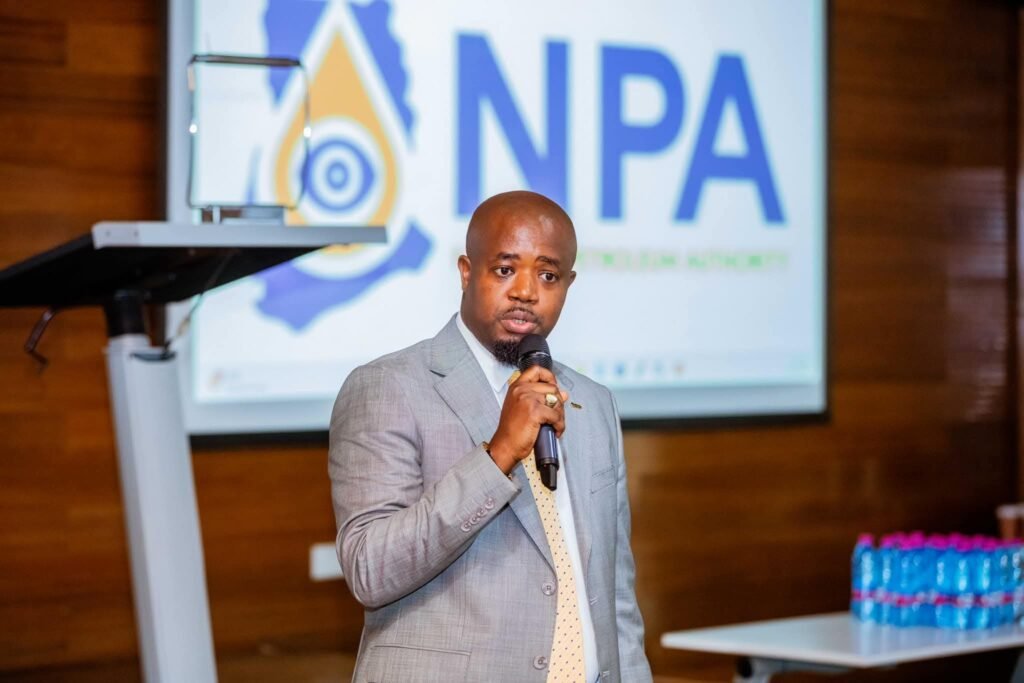
The unfolding dispute highlights the delicate balancing act facing regulators in Ghana’s petroleum sector. The NPA’s price floor mechanism is designed to prevent destructive price wars that could drive smaller players out of business, while still allowing competition and efficiency gains to benefit consumers.
However, rising public pressure for lower fuel prices, particularly amid easing global oil prices and currency stability, is testing the limits of this framework. Consumers are increasingly vocal, and OMCs are keen to position themselves as champions of affordability.
As industry leaders trade public barbs, analysts warn that prolonged disputes could erode trust and distract from broader sector reforms. For now, the price war remains largely rhetorical, but its implications for competition, regulation, and consumer relief are being closely watched.
Whether the debate results in genuine price reductions or tighter regulatory enforcement, one thing is clear: Ghana’s fuel pricing conversation has moved beyond the pumps and into the public arena, where credibility is becoming as valuable as price itself.
READ ALSO: Otokunor Secures Pennsylvania Deals for Agricultural Reset