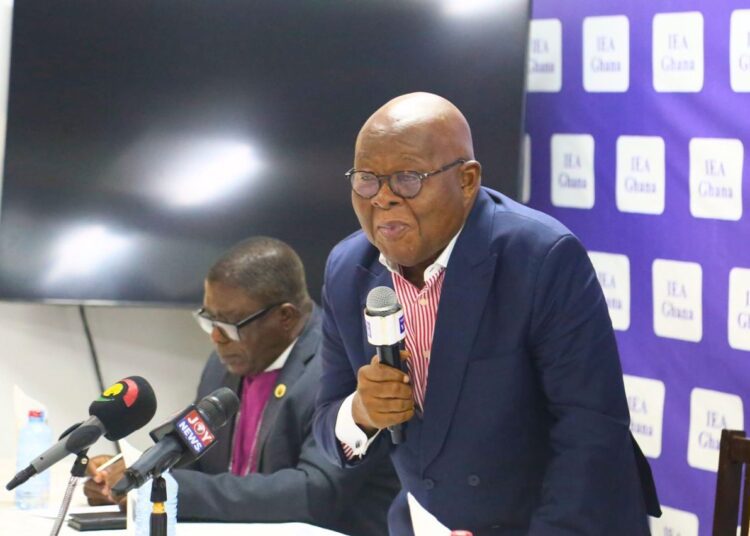
Former Speaker of Parliament and founding member of the New Patriotic Party (NPP), Professor Mike Oquaye, has launched a fresh stinging critique of Ghana’s recent lithium agreement, characterizing the fiscal framework as a “colonial arrangement.”
His assessment suggests that the terms of the deal specifically the royalty structures and ownership stake parallel historical exploitative models that prioritize foreign investor returns over national economic sovereignty.
By describing the deal as colonial, Oquaye highlights a systemic failure to evolve beyond a “subject-master” resource extraction relationship, arguing that the current trajectory will leave the state with insufficient funds, or “sika no enso,” to meet its pressing developmental needs.
Expanding on this critique, Prof. Oquaye noted that the structural flaws seen in the lithium deal are symptoms of a wider malaise in Ghana’s extractive sector, having already “given away” substantial stakes in the oil and gold industries.
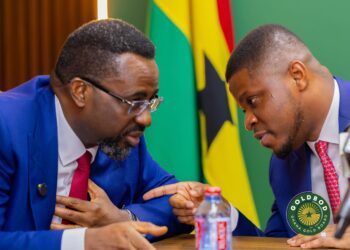
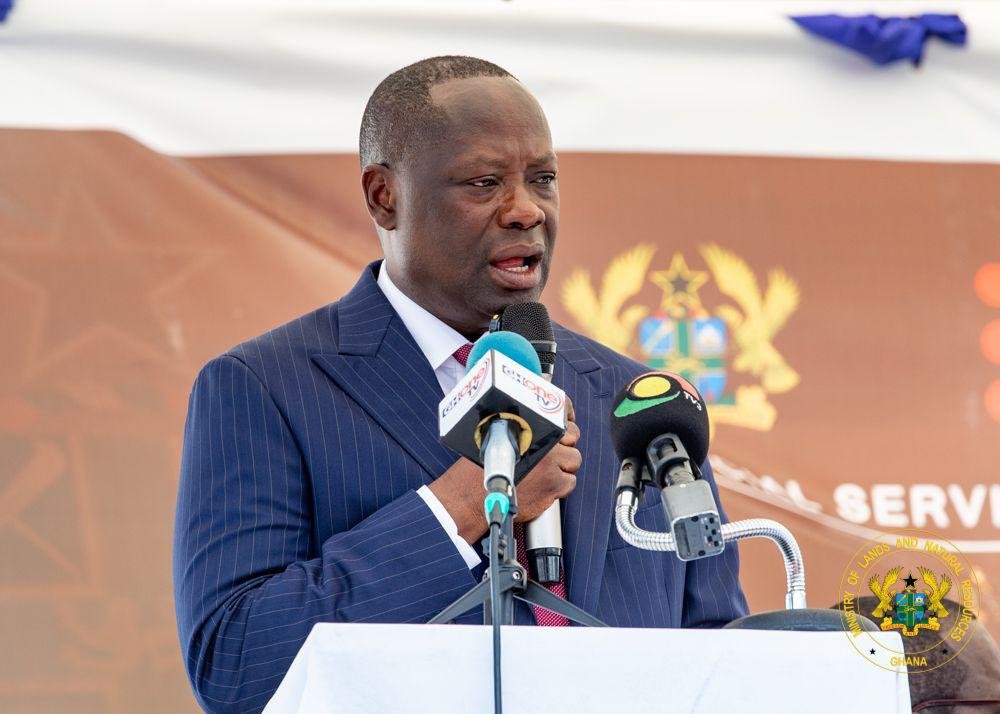
He expressed profound disappointment in the celebratory stance taken by some government officials, including the Minister for Lands and Natural Resources, Hon. Armah Kofi Buah in related policy discussions, asserting that there is little cause for joy when the nation accepts a “ceiling” on what it can earn from its own finite resources.
This “sealing” or cap on royalties, often fluctuating between 5% and 10%, is viewed by Oquaye as an affront to national dignity and a barrier to the industrial transformation required for Ghana to escape its perennial reliance on international aid.
“The current arrangement is colonial. Who puts a sealing on what we can pay him for what belongs to him? I want to tell the Hon. Armah Kofi Buah that he had no reason to tell us that he was very happy about what has been done.”
Professor Mike Oquaye
The Failure of Royalty-Based Governance
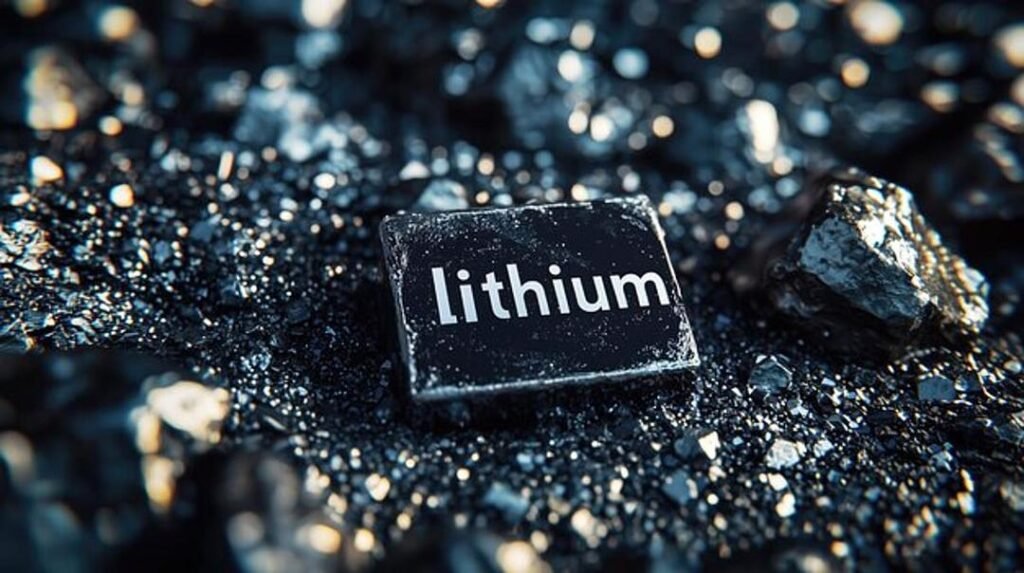
The veteran statesman argues that the obsession with royalty percentages whether the 5% stipulated by the Minerals and Mining Act or the 10% negotiated for the Ewoyaa project is a fundamental distraction from the real issue: ownership.
Prof. Oquaye maintains that as long as Ghana remains a passive recipient of royalties rather than an active owner through service contracts or profit-sharing agreements, the country will remain trapped in a cycle of “shameful” ownership status.
He points to the Norwegian oil model and the rapid development of Dubai as evidence that true national wealth is built on direct equity and control, rather than settling for a fraction of gross production values while foreign multinationals retain the bulk of the wealth.
Strategic Sovereignty and Economic Independence
In his long-standing advocacy for an “ownership-based” resource governance model, Prof. Oquaye insists that lithium, as a “strategic mineral” for the global energy transition, offers a unique opportunity to reset Ghana’s economic destiny.
He suggests that rather than rushing to sign agreements in a period of fluctuating global prices, the government should establish a dedicated state-owned entity, such as a “Ghana Minerals Corporation,” to manage exploration and value-chain development.
For Prof. Oquaye, the interest of the country is best served by “hastening slowly” and ensuring that value-added activities, such as battery manufacturing, take place locally to generate employment and industrial depth.
Accountability and the Wait-and-See Approach
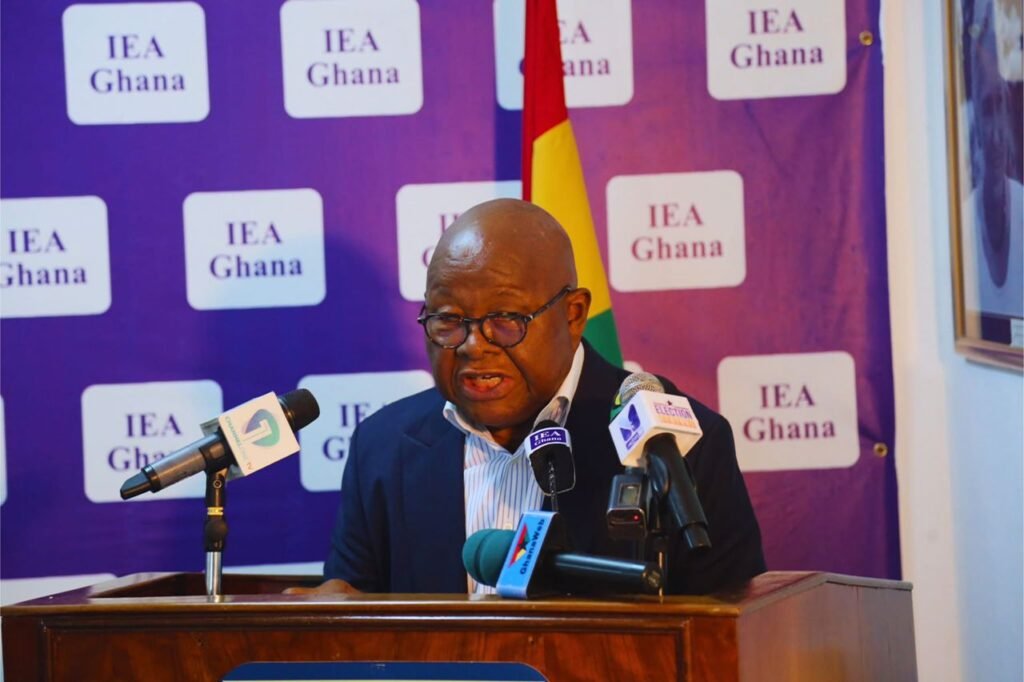
Beyond the specifics of the lithium deal, Prof. Oquaye has adopted a cautious “wait and see” attitude toward the broader performance of the government, particularly regarding the fight against illegal mining (galamsey).
He notes that while the government’s rhetoric sounds promising, the ultimate assessment must depend on whether “word will match action” in the coming year.
He cautions that the persistence of partisan interests in the mining sector continues to undermine national cohesion, urging a unified front to protect Ghana’s environmental and mineral heritage from both the “colonial” structures of legal agreements and the destructive forces of unregulated extraction.
READ ALSO: Suella Braverman Defects To Reform UK