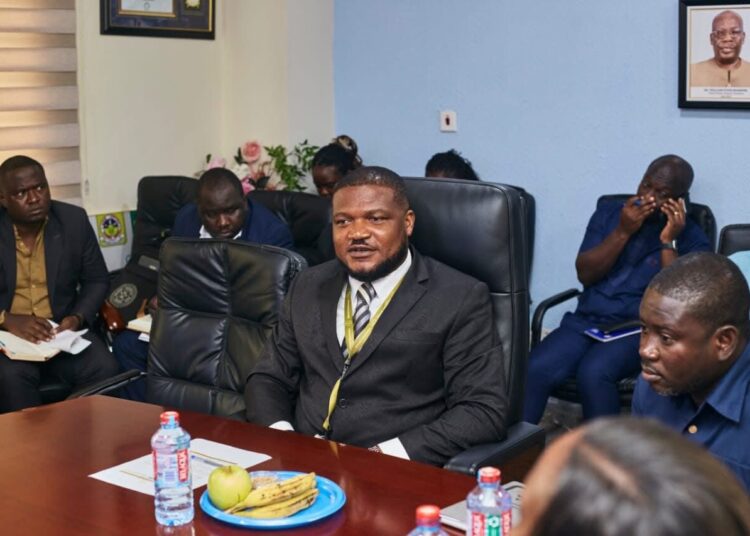
Mr. Isaac Tandoh, the Chief Executive Officer of the Minerals Commission, has announced that Ghana is prepared to unveil a strategic portfolio of investment-ready mining projects at the 2026 Investing in African Mining Indaba.
This high-profile participation, scheduled for February 9 to 12 in Cape Town, South Africa, marks a pivotal effort to solidify the nation’s standing as the primary gateway for mineral-related capital on the continent.
By establishing a dedicated Ghana Pavilion, the Commission intends to provide an exclusive interface where global financiers, policymakers, and technical experts can engage directly with domestic mining entities and local service providers.
Expanding on this vision, the CEO noted that the upcoming “Ghana Day” on February 11 will serve as the focal point for presenting the country’s diversified mineral wealth beyond its traditional gold dominance.
With the global energy transition accelerating, Ghana is positioning its significant reserves of lithium, bauxite, manganese, and graphite as critical components for a new era of “mineral-based industrialisation.”
These initiatives are backed by a robust framework of “policy certainty and economic stability,” designed to assure the international community of Ghana’s commitment to “sustainable mining practices” and a predictable fiscal environment.
“As Africa advances towards deeper collaboration and industrial transformation, Ghana stands ready to serve as the investment hub for mining in Africa. We encourage delegates to visit the Ghana Pavilion to explore opportunities and partnerships.”
Mr. Isaac Tandoh
Strategic Value Addition and Economic Transformation
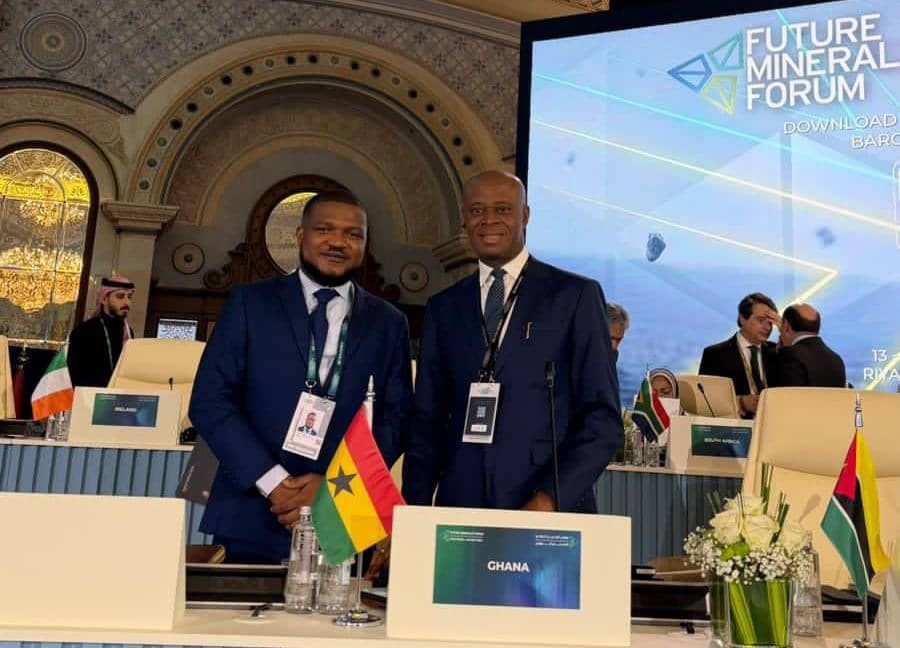
A core objective of this initiative is the shift from a traditional extraction-only model to an aggressive “value addition agenda.”
By presenting projects that are already “investment-ready,” the Minerals Commission is facilitating a transition where raw materials like bauxite are processed into alumina within national borders.
This strategy is expected to contribute significantly to the national economy by expanding the tax base and boosting “non-oil GDP,” which has already shown resilient growth.
Industry experts suggest that by capturing more of the downstream value chain, Ghana can insulate itself from the volatility of global commodity prices while creating high-skilled jobs in refining and manufacturing.
Enhancing Local Content and Global Competitiveness

The Ghana Pavilion will also shine a spotlight on the “innovation across the mining value chain” led by local service providers and technology partners.
This emphasis on local content is not merely a regulatory requirement but a strategic move to build “domestic capacity” and foster technology transfer from international partners.
By encouraging “joint ventures and partnerships,” the government aims to ensure that the wealth generated from the extractive sector remains more visibly anchored in the local economy.
This integrated approach enhances Ghana’s “competitive advantage,” making it an attractive destination for investors who prioritize environmental, social, and governance (ESG) standards alongside operational excellence.
Long-term Industrial Hub Aspirations
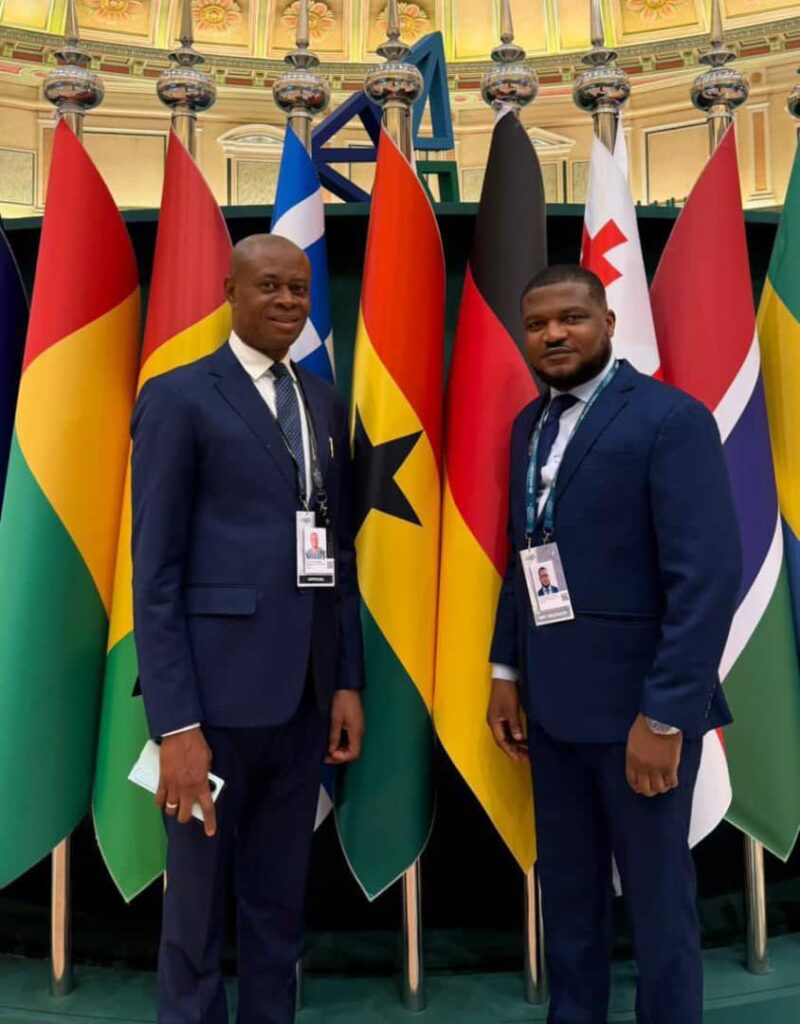
Ultimately, the drive to position Ghana as the “investment hub for mining in Africa” reflects a broader national ambition to use mineral resources as a catalyst for “sustainable economic growth.”
The focus on “critical minerals” aligns with the African Green Minerals Strategy, ensuring that Ghana becomes a vital player in the global supply chain for electric vehicles and renewable energy technologies.
Through these deliberate engagements at the Mining Indaba, Ghana is not just seeking capital but is actively “translating its mineral wealth” into a diversified, resilient industrial base.
This roadmap is poised to secure the country’s economic future, ensuring that its natural endowments provide long-term prosperity for all citizens.
READ ALSO: Trade Ministry Targets Industrial Revival and Export Growth