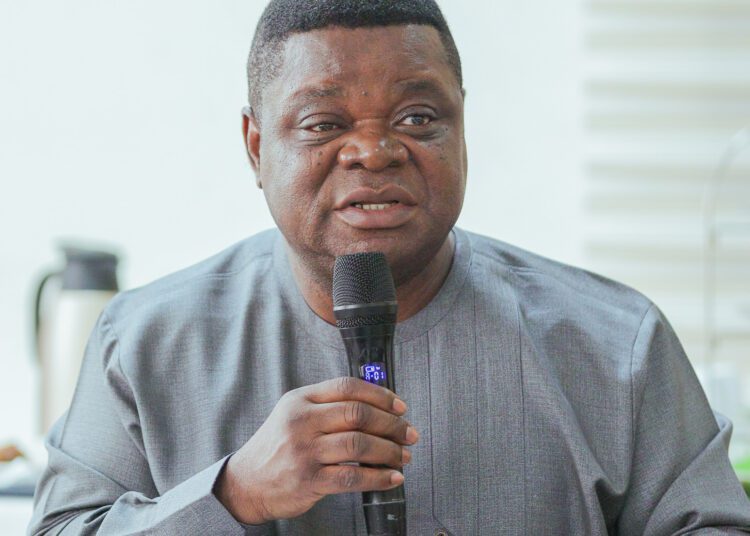
Professor Peter Quartey, a renowned economist and former Director of the Institute of Statistical, Social and Economic Research (ISSER), is calling on the government to strategically capitalize on the current surge in global gold prices to fortify the nation’s economic buffers and secure long-term fiscal stability.
As gold prices reach historic milestones, the extractive sector has emerged as the primary engine for macroeconomic recovery, providing a strategic window for the state to accumulate foreign exchange reserves.
This accumulation is vital for maintaining a healthy import cover, ensuring that even if reserves fluctuate, the nation remains insulated from immediate external shocks.
“So, going forward, I think we should take advantage of this ability, take advantage of this effort, and be able to invest into the particular areas as we generate more export revenue. We’re pushing ourselves for the future. We also have to diversify, because it looks like gold accounts for over 50% of our export revenue.”
Professor Peter Quartey
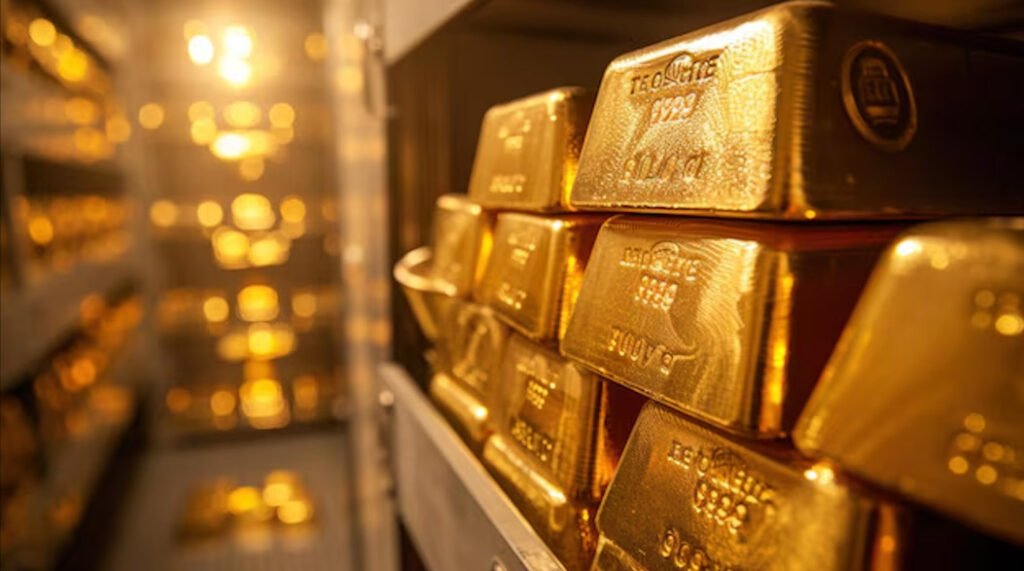
Expanding on this urgency, the current rally in bullion markets offers a unique opportunity to address structural vulnerabilities within the Ghanaian economy.
The stability provided by high gold prices is currently being leveraged to support export revenue, providing a much-needed cushion for the local currency and broader fiscal planning.
Experts argue that rather than viewing this windfall as a temporary gain, the administration must use this “ability and effort” to invest in sustainable growth areas.
Strengthening the nation’s financial position now is seen as a proactive measure to “push ourselves for the future,” ensuring that the current prosperity translates into lasting infrastructural and economic development.
Capitalizing on the “Gold-for-Reserves” Momentum

The current economic climate proves that gold is more than just a commodity; it is a vital tool for national stabilization and “fiscal planning.”
By taking advantage of the “commodity price boom,” the government can ensure that its reserve levels remain robust, mirroring periods in the past where high cover protected the nation from global volatility.
This gold-backed strength allows for a more aggressive pursuit of economic goals, provided the revenue is funneled into productive sectors.
Analysts suggest that the government must remain diligent in its “planning” to ensure that the influx of $4.6 million for export stability serves as a foundation for a more resilient financial architecture.
Navigating Volatility and Preventing Stagnation
Despite the current euphoria, historical precedence suggests that “commodity price booms and busts happen all the time,” and Ghana must be prepared for the eventual easing of prices.
With gold accounting for more than half of the country’s export revenue, the economy faces a concentration risk that mirrors the “stagnation” experienced by other resource-dependent nations like Nigeria during oil price dips.
To prevent a similar fate, there is a pressing need to “diversify” the economic base. If gold prices were to “crumble to its level in periods past,” only a diversified economy with strong secondary sectors could withstand the resulting fiscal pressure.
Strategic Shift Toward Agricultural Diversification

A pivotal component of maximizing this boom is the redirection of gold wealth into “other critical sectors like agriculture.”
By utilizing the current windfall to modernize farming and agro-processing, Ghana can reduce its over-reliance on the extractive sector and create a more balanced trade profile.
This strategy ensures that when the “gold price boom” inevitably settles, the nation has other high-performing exports to rely on.
Experts emphasize that the goal should be to “not overlook” these sectors, as they provide the true long-term insurance against the cyclical nature of mineral wealth.
READ ALSO: South Africa Announces Expulsion Of Israeli Envoy