
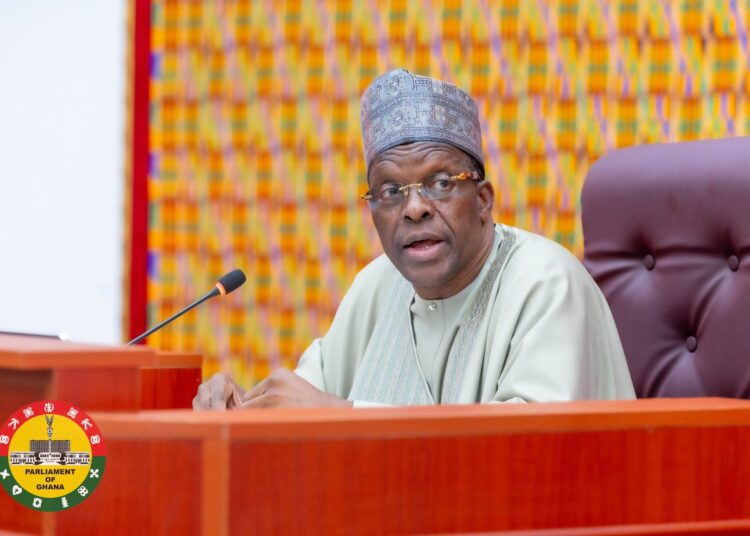
Parliament is set to resume sittings today as the Second Session of the Ninth Parliament of the Fourth Republic officially begins at Parliament House in Accra, marking the end of the recess and the return of lawmakers to active legislative and oversight duties.
The reopening signals a renewed phase of parliamentary work as Members of Parliament prepare to address a packed agenda of bills, agreements, and national policy priorities.
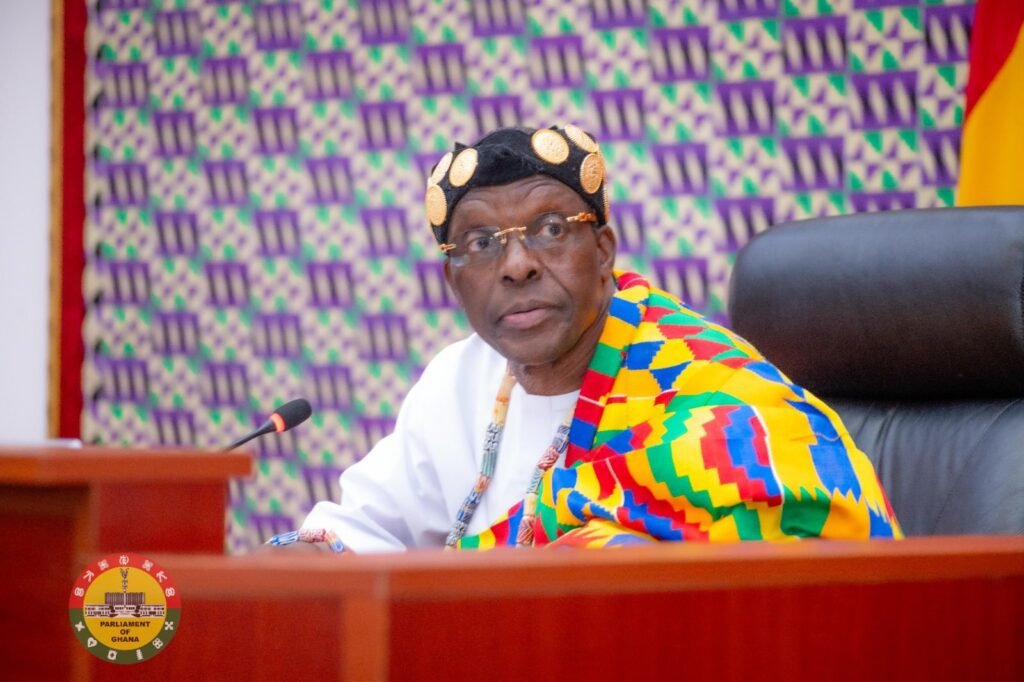
The resumption of sittings follows a formal directive issued under the authority of Article 112, clause one of the 1992 Constitution. In accordance with this provision, the Speaker of Parliament, Rt Hon Alban Sumana Kingsford Bagbin, fixed Tuesday, February 3, 2026, at twelve noon as the official time for the commencement of the Second Session.
Parliament House in Accra has been designated as the venue for the session, consistent with constitutional requirements. In a Constitutional Instrument dated January 19, 2026, the Speaker formally announced the resumption of parliamentary business.
The instrument states that the appointment of the date, time, and place for the sitting was made in the exercise of the powers conferred on the Speaker by the Constitution. The document, signed by Rt Hon Bagbin, provides the legal basis for Parliament’s return to work after weeks of recess.
Intensive Legislative Activity
The Second Session is expected to be characterised by intensive legislative activity, with several important bills, legislative instruments, and agreements scheduled for consideration.
Among the key legislative items before the House is the 24 Hour Authority Bill, which forms part of the government’s broader economic agenda aimed at boosting productivity, expanding employment opportunities, and promoting round-the-clock economic activity.
The bill has generated significant public interest and is expected to attract detailed debate when it is brought before the House. Another major item expected to feature prominently during the session is the Ghana Legal Education Review Bill.
The proposed legislation seeks to reform aspects of legal education and professional training in the country, an issue that has been the subject of sustained public discussion in recent years. Lawmakers are anticipated to scrutinise the bill closely, given its implications for access to the legal profession and the regulation of legal training institutions.
In addition to bills, Parliament will also consider several agreements, including the Lithium agreement, which has attracted national attention due to its implications for Ghana’s natural resource governance and industrial development.

Labour related agreements and a number of bilateral arrangements are also expected to be laid before the House for approval, as Parliament exercises its constitutional role in the ratification of international agreements entered into by the Executive.
Oversight of the Executive will remain a central feature of the Second Session. Committees of Parliament are expected to resume their work of examining government policies, programmes, and expenditure, ensuring accountability and adherence to the law.
With several legislative matters carried over from the previous session, MPs are expected to be in full attendance as the House tackles unfinished business alongside new proposals.
Majority Leader’s Coordination
Ahead of the resumption, the Majority Leader and Leader of Government Business, Hon. Mahama Ayariga, Member of Parliament for Bawku Central, underscored the importance of early coordination between Parliament and the Executive.
He disclosed that, as part of preparations for the session, he had engaged with ministers to review their legislative priorities and proposals. “At the beginning of every session of Parliament, the Majority Leader meets the ministers to discuss their legislative proposals during the session,” Hon. Ayariga said.
He added that the meeting held ahead of today’s sitting was intended to ensure clarity and readiness on the part of ministries whose bills and policy measures are expected to come before the House. According to him, such engagements are crucial for effective scheduling and smooth legislative work during the session.

The resumption of Parliament comes at a time when public expectations of the legislature remain high, particularly in relation to economic recovery, governance reforms, and social development.
The Second Session presents an opportunity for lawmakers to demonstrate responsiveness to national concerns through robust debate, timely passage of legislation, and effective oversight.
As MPs return to the chamber, attention will also focus on the ability of the House to manage its workload efficiently while maintaining bipartisan cooperation on key national issues.
With a full legislative calendar and pressing policy matters, the coming weeks are expected to test Parliament’s capacity to balance political differences with the demands of governance.
The commencement of the Second Session today formally reactivates Parliament’s constitutional mandate after the recess, setting the stage for months of legislative engagement.
As the Speaker calls the House to order at noon, lawmakers will begin deliberations that are expected to shape the country’s legal and policy landscape in the year ahead.
READ ALSO: China, Uruguay Ink Agreements Across Diverse Sectors