Africa must urgently develop a unified, pragmatic and homegrown energy pathway that safeguards its hydrocarbon resources, accelerates renewable energy deployment and deepens domestic value creation if it is to retain control over its energy future.
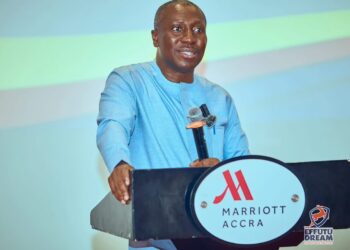
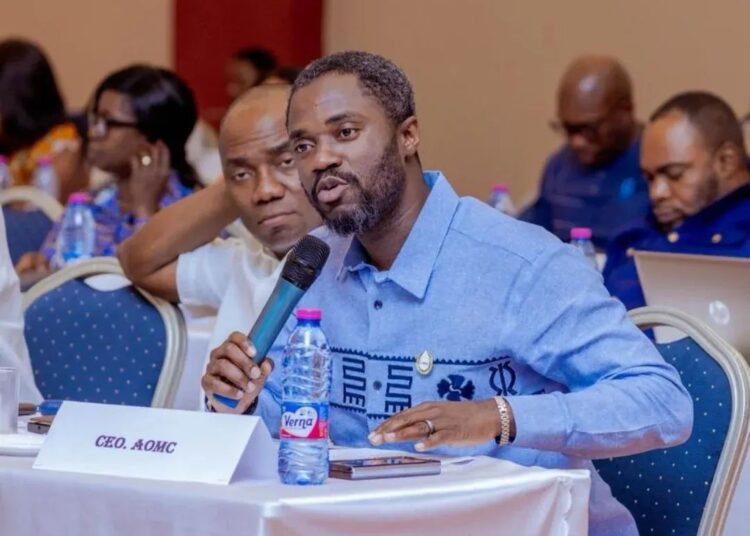
This was the central message delivered by Dr Riverson Oppong, Africa Regional Director for SPE International, during a public lecture. Dr Oppong warned that the rapidly evolving global energy transition presents both opportunities and risks for African economies, particularly if the continent fails to articulate its own priorities.
“If Africa does not decide whether it is part of the energy transition, others will decide for us,” he cautioned, adding that such externally driven decisions “will not necessarily favour our development priorities.”
The lecture brought together students, academics and civil society groups to reflect on how Africa can navigate global climate pressures without undermining its development ambitions.
Rethinking the Role of Hydrocarbons
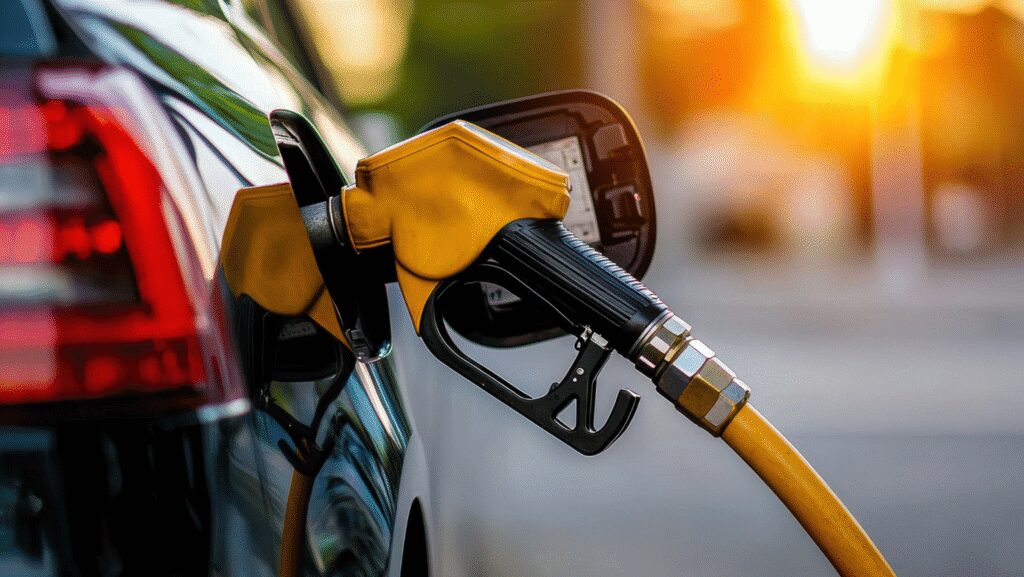
Challenging popular narratives, Dr Oppong argued that the global energy transition does not require the outright abandonment of hydrocarbons. Instead, he explained that the evolution of energy systems has historically been additive rather than substitutive.
“Coal did not replace oil, oil did not replace gas and gas was not replaced by nuclear or renewables,” he said, stressing that fossil fuels remain deeply embedded in the global energy mix despite rising investments in clean energy.
He supported this argument with global data, noting that even after a 36 percent improvement in energy efficiency over the past two decades, global energy demand and supply expanded by 63 percent over the same period.
“When energy becomes affordable and accessible, demand increases,” Dr Oppong observed, highlighting the limits of efficiency gains in curbing consumption.
Dr Oppong, who also serves as Chief Executive Officer of the Chamber of Oil Marketing Companies (COMAC) in Ghana, pointed out that countries championing net-zero ambitions continue to prioritise energy security in practice.
“China still derives about 70 percent of its energy from hydrocarbons, Japan nearly 87 percent, and coal remains significant in the US and UK.”
Dr Riverson Oppong, Africa Regional Director for SPE International
According to him, no major economy has transitioned away from fossil fuels at the expense of reliable and affordable energy supply.
“No country has transitioned at the expense of its energy security,” he emphasised, urging African governments to pursue transition models aligned with their industrialisation goals.
Energy Access Versus Energy Security
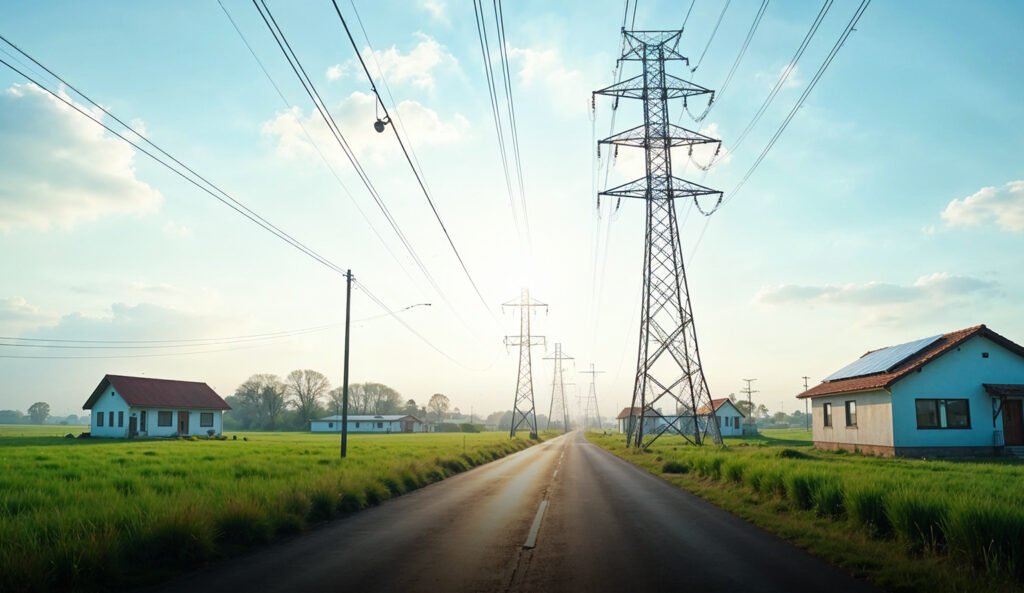
Using Ghana as a reference point, Dr Oppong acknowledged that the country has made notable progress in electricity access, with coverage exceeding 90 percent. However, he argued that access alone does not equate to energy security.
“Energy security is about accessibility, availability and affordability.
“You cannot industrialise if power is available but unaffordable, or affordable but unreliable.”
Dr Riverson Oppong, Africa Regional Director for SPE International
He commended Ghana’s policy choice to prioritise the domestic use of natural gas for power generation instead of exporting it as liquefied natural gas, describing it as a practical assertion of energy sovereignty.
Clean Cooking and Infrastructure Gaps

Beyond electricity, Dr Oppong highlighted clean cooking as one of Africa’s most pressing energy challenges. Nearly one billion people in sub-Saharan Africa, he noted, still rely on charcoal and biomass for cooking, with significant health and environmental consequences.
He warned that infrastructure gaps continue to undermine progress, even where cleaner fuels are promoted. “Distributing gas cylinders without reliable refill infrastructure forces households back to charcoal,” he said, underscoring the need for integrated planning rather than isolated interventions.
Dr Oppong also cautioned that tightening global trade regulations could introduce new vulnerabilities for African economies.
He singled out mechanisms such as the European Union’s Carbon Border Adjustment Mechanism (CBAM), which links market access to the carbon intensity of production.
“As Ghana moves toward manufacturing and processing, the carbon intensity of our energy will increasingly affect competitiveness,” he explained, noting that similar risks apply across Africa’s export-oriented economies.
Managing Revenue Volatility
On fiscal sustainability, Dr Oppong warned against over-dependence on oil and gas revenues, referencing the economic crises experienced by Angola, Nigeria and Venezuela during periods of oil price collapse.
“When oil prices fall, deficits widen and debt rises,” he said, calling for economic diversification and stronger revenue-stabilisation frameworks to cushion African economies against commodity shocks.
In concluding his lecture, Dr Oppong stressed that Africa’s energy transition must be grounded in realism and context, rather than external pressure.
“The energy transition is not a threat if we manage it strategically.
“For Africa, the priority must be energy security, local value addition and long-term economic resilience.”
Dr Riverson Oppong, Africa Regional Director for SPE International
He urged policymakers, industry players and civil society to engage constructively in shaping an African-led transition that supports growth while responding to global climate realities.