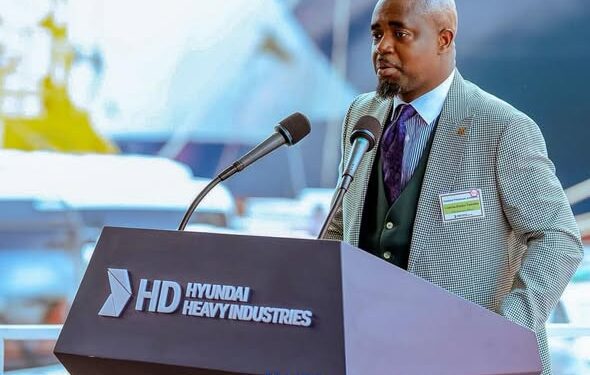
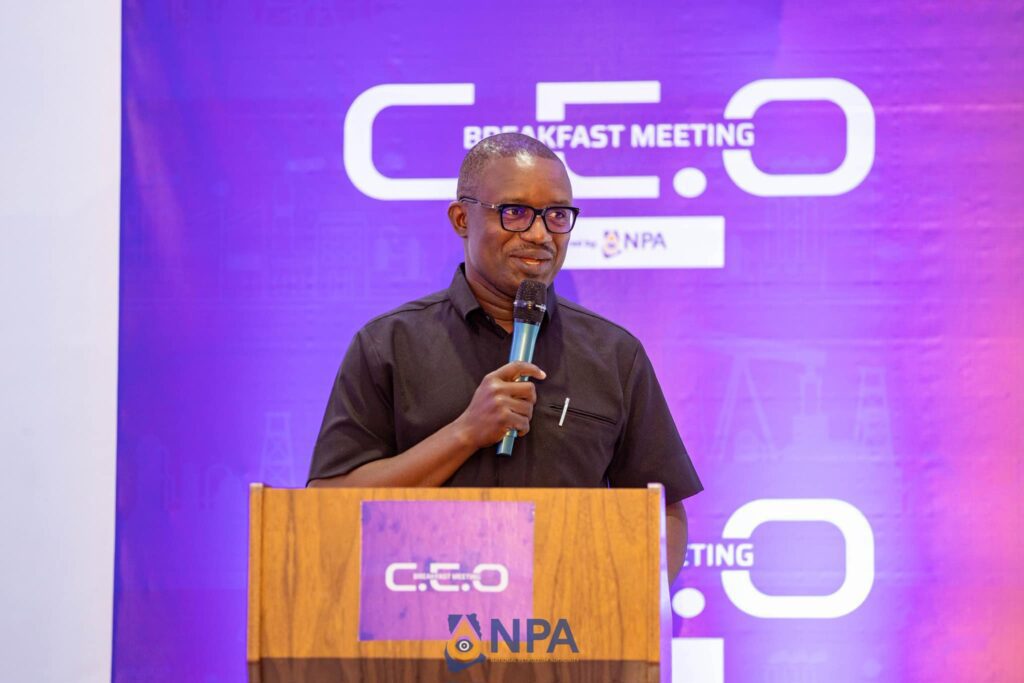
Chief Executive of the National Petroleum Authority (NPA), Mr. Godwin Kudzo Tameklo Esq., has assured downstream petroleum sector players of the government’s unwavering confidence in Ghana’s pricing policy framework and supply security arrangements despite escalating global energy market disruptions.
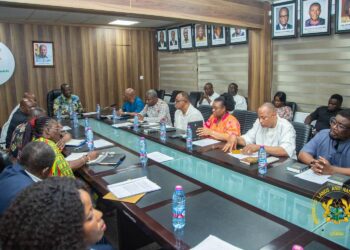
Speaking at an exclusive high-level breakfast meeting hosted by the NPA in Accra, the chief regulator emphasized that tactical fiscal interventions implemented over recent pricing windows were carefully designed to protect domestic businesses from international market shocks.
The targeted roundtable dialogue served as a strategic platform to deepen stakeholder collaboration, fine-tune the existing regulatory regime, and foster critical industry networking aimed at driving sustainable, long-term economic growth.
”Government interventions over the past two windows (GHS2.00 / litre on Diesel and GHP36 / litre on petrol) and the next two windows (GHS1.07 / litre on Diesel) were well thought through with the risks to your businesses very well considered. Ghana remains confident in its pricing policy framework and supply security arrangements despite geopolitical tensions and conflicts across parts of the world.”
Mr. Godwin Kudzo Tameklo Esq.
The high-profile gathering brought together top-tier chief executives from across the country’s downstream oil and gas sector to confront the immediate financial pressures threatening local market stability.
As international conflicts continue to introduce volatility into crude oil logistics and premium pricing, the domestic sector has faced mounting uncertainty regarding capital preservation and cost recovery.
To counter these systemic threats, the regulatory authority, supported by senior government officials, laid out an aggressive stabilization agenda focused on policy predictability.
Officials at the session thoroughly assessed the operational risks faced by bulk distribution companies and oil marketing firms, reinforcing the state’s proactive stance in managing price mechanisms to avoid localized market failures.
High-Level State Backing Reinforces Regulatory Predictability
The Minister of Energy and Green Transition, Hon. Dr. John Abdulai Jinapor, alongside the Deputy Minister for the sector, Mr. Richard Gyan-Mensah, actively participated in the technical sessions to signal strong executive backing for the industry’s ongoing reforms.
Addressing the assembly of downstream executives, Hon. Dr. Jinapor affirmed the government’s absolute commitment to ensuring the uninterrupted supply of premium petroleum products as a fundamental prerequisite to sustain and expand Ghana’s macroeconomy.
This high-level state intervention underscores an aligned policy direction between the ministry and the regulator, reassuring financiers that the state will deploy necessary fiscal instruments to prevent crippling supply shortages.
Mr. Tameklo led the technical team from the regulatory body through the extensive deliberations, ensuring that the concerns of private petroleum marketers were systematically addressed.
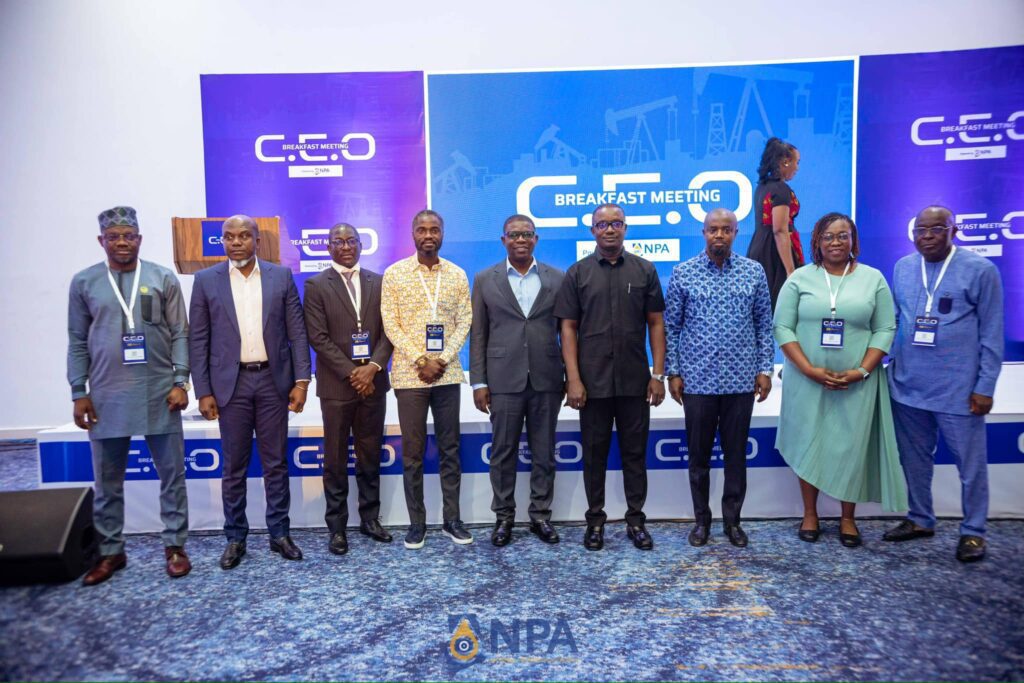
The intensive strategy session also featured prominent contributions from the Deputy Chief Executive of the NPA, Dr. Sheila Addo, along with several high-ranking members of the Authority’s Executive Committee.
By maintaining an open-door policy with downstream operators, the regulatory management successfully ironed out friction points regarding compliance and licensing.
The strategic meeting ultimately concluded with a binding consensus on specific, actionable mandates designed to fortify and grow the downstream value chain against external economic headwinds.
Consumer Protections and Market Safeguards Under the Stabilized Framework
By structured utilization of tactical price interventions such as the targeted reduction of GHS2.00 per litre on diesel and GHP36 per litre on petrol the regulator directly prevents the immediate pass-through of volatile international crude costs to domestic fuel pumps.
For ordinary citizens, this mitigation translates directly into stable transportation fares and predictable household energy expenditures, effectively preserving consumer purchasing power during periods of extreme macroeconomic stress.

Beyond the immediate relief at the pumps, a predictable and robust pricing framework yields significant downstream advantages for the broader economy by checking the inflationary spiral of essential goods.
Because commercial transport costs heavily influence the final retail price of food, medical supplies, and manufactured commodities, the NPA’s deliberate price smoothing mechanisms act as an anchor for national price stability.
Businesses can calculate their operational and logistical overheads with higher accuracy, preventing preemptive price hikes that often exploit market uncertainty.
Ultimately, the framework fosters a resilient retail environment where regular consumers are protected from speculative exploitation, ensuring that the wheels of national commerce continue to turn smoothly without placing an undue financial burden on the public.
READ ALSO : Hungary, Ukraine To Commence Talks On Hungarian Minority Rights