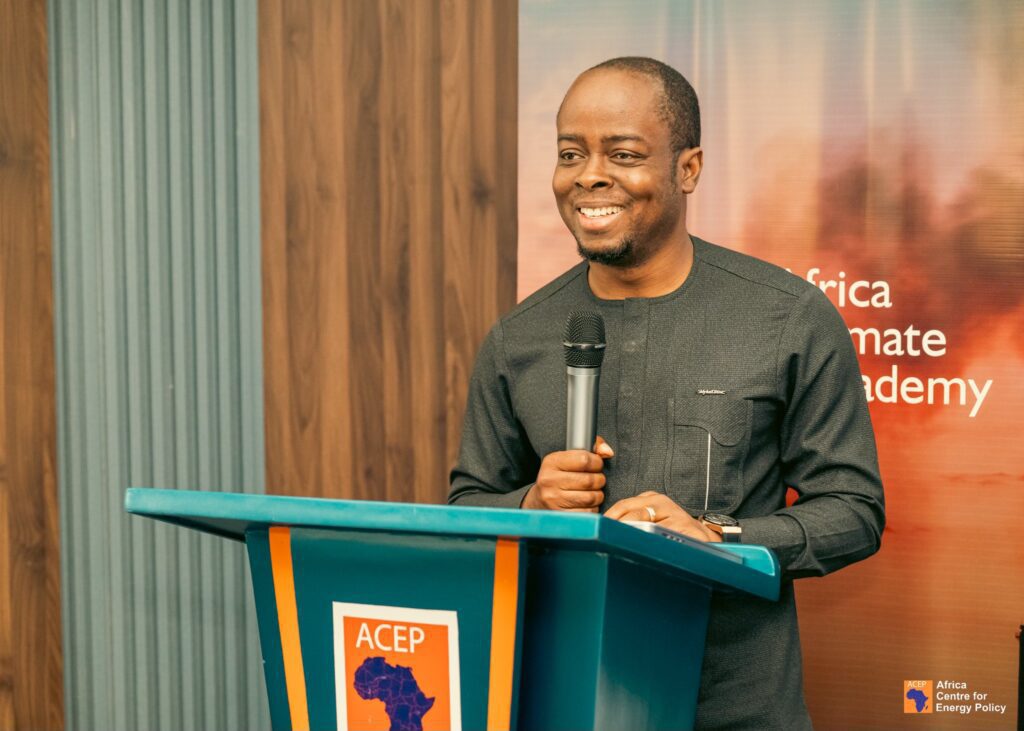
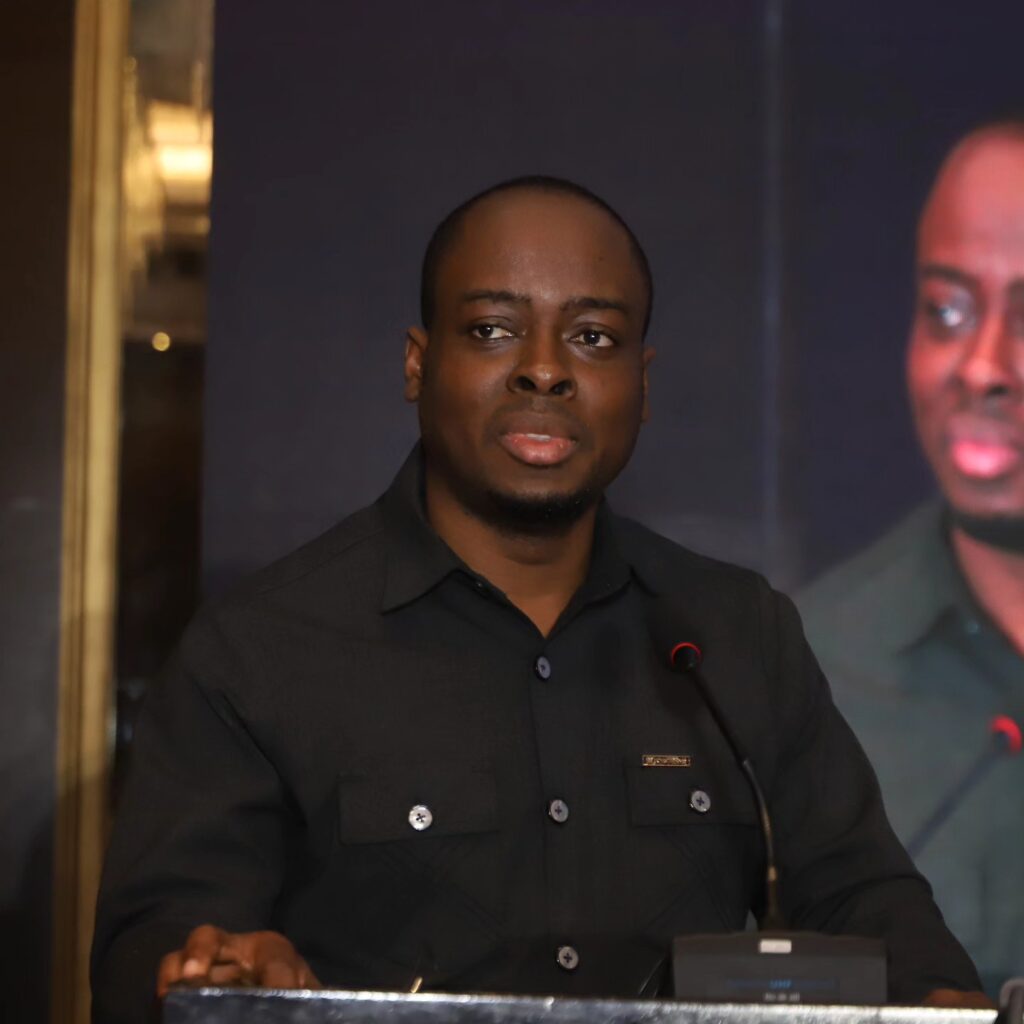
Dr. Ishmael Ackah, Technical Advisor to Ghana’s Ministry of Energy and former Executive Secretary of the Public Utilities Regulatory Commission, has challenged African nations to strategically capitalize on their vast critical mineral reserves to champion domestic industrialization and green economic expansion.
Speaking at the commencement of the Africa Climate Academy in Accra, the energy expert underscored that the continent must transition from passive diplomacy to assertive resource governance.
He argued that the emerging global green transition offers a historic window for Africa to position itself as a pivotal anchor for sustainable manufacturing rather than a mere exporter of raw industrial inputs.
“Climate change is no longer a distant conversation for Africa; it is a reality we are already living. For too long, Africa’s engagement has centred on attending COP negotiations and seeking funding, without enough focus on how the continent can shape its own future. It presents challenges, but it also offers Africa an opportunity to lead through innovation, stronger collaboration, and bold policy choices.”
Dr. Ishmael Ackah, Technical Advisor to Ghana’s Ministry of Energy
The high-level capacity-building summit, organized under the auspices of the Africa Centre for Energy Policy (ACEP), officially kicked off in the Ghanaian capital today to run from 18th to 22nd May 2026.
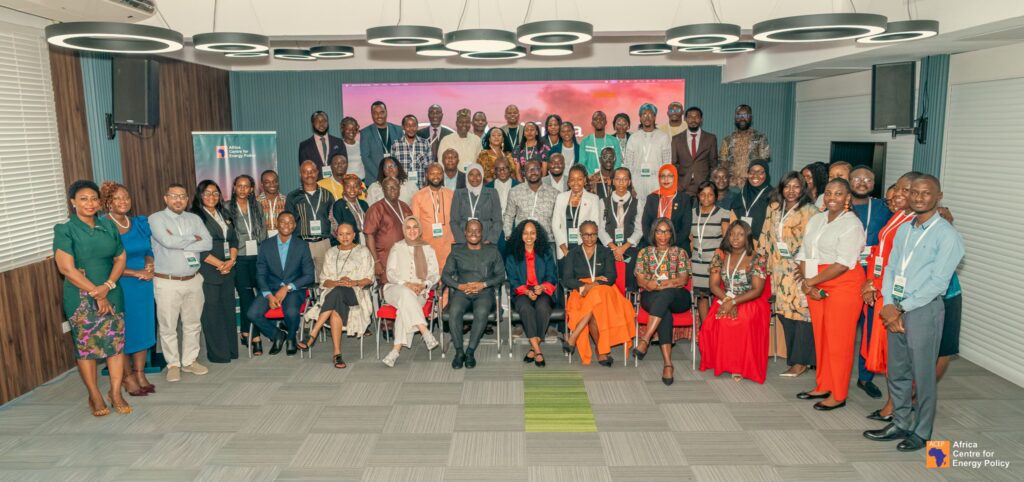
The educational platform is expressly designed to foster a drastic paradigm shift in the fundamental understanding and national discourse surrounding climate change, energy dynamics, and their socio-economic implications across the continent.
Addressing a diverse gathering of policymakers, researchers, and civil society actors, Dr. Ackah maintained that old institutional models of regional engagement characterized predominantly by perennial participation in global climate negotiations and heavily reliant on international financial aid have yielded suboptimal development outcomes.
By deploying indigenous assets like sovereign pension funds, research data, and cutting-edge artificial intelligence, African governments can systematically build climate resilience and achieve widespread rural electrification.
Mapping the Green Transition: Africa’s Mineral Matrix
To transform these systemic liabilities into tangible wealth, African states must look toward the massive subterranean wealth that drives the contemporary international energy shift.
Lithium, cobalt, graphite, manganese, and copper are no longer optional commodities but the absolute lifelines of the modern global energy architecture.

By deliberately curbing the raw, unrefined exportation of these essential transition inputs, regional governments can establish domestic value chains that support the localized manufacturing of electric vehicle batteries, solar cells, and wind turbine assemblies.
This economic reorientation directly addresses the historical exploitation patterns that have kept the region economically vulnerable.
Rather than succumbing to the traditional resource-curse trap, the strategic integration of local value addition will effectively catalyze internal revenue generation and insulate emerging African markets from volatile global commodity shocks.
Moving beyond extractive dependencies allows domestic industries to build localized technical capacity, retain structural wealth within regional borders, and create high-skilled green employment opportunities for a rapidly growing youth demographic.
Financing Resilient Infrastructure Through Domestic Capital
A critical pillar of this sustainable developmental framework involves rewriting the continent’s capital mobilization strategies to build long-term structural climate resilience.

Relying solely on Western climate finance pledges or delayed bilateral grants has historically slowed down the implementation of urgent energy transition blueprints.
By utilizing local assets, such as institutional pension funds, African countries can achieve fiscal self-reliance and fund capital-intensive energy projects independently. This internal financing mechanism is crucial for deploying robust mini-grids and decentralized renewable systems that provide dependable power access to millions of underserved rural communities.
Furthermore, integrating advanced emerging technologies like artificial intelligence (AI) and big data into the management of mineral assets can optimize productivity and limit environmental footprints.
Precision mining driven by AI analytics can maximize extraction efficiency while minimizing ecological degradation, ensuring that the quest for clean energy raw materials does not paradoxically destroy vital local ecosystems.
When paired with comprehensive research data, these advanced toolsets allow planners to make bold policy choices that align regulatory updates with evolving environmental realities.

Collaborative Innovation and Strategic Governance Frameworks
Achieving true resource-led sustainable development requires regional states to move past fragmented national programs and actively embrace a unified, trans-continental governance architecture.
Through the collaborative framework of the African Continental Free Trade Area (AfCFTA), nations can aggregate their mineral inputs, cross-share technological innovations, and create specialized regional manufacturing hubs.

For instance, combining copper from Zambia with cobalt from the Democratic Republic of Congo can facilitate the establishment of a single, highly competitive battery production ecosystem that serves both local and international markets.
This collaborative approach converts the climate crisis from a narrative of victimhood into an active theater of industrial leadership.
Bold policy frameworks must be enacted to enforce strict local content requirements, improve regulatory transparency, and mandate that foreign direct investments include genuine technology transfer protocols.
By actively shaping its own resource destiny through strategic statecraft, the continent will successfully bridge the persistent energy poverty gap, expand its industrial base, and set a revolutionary benchmark for globally conscious, sustainable development.
READ ALSO: BoG Opens High Stakes MPC Meeting Amid Mounting Economic Threats