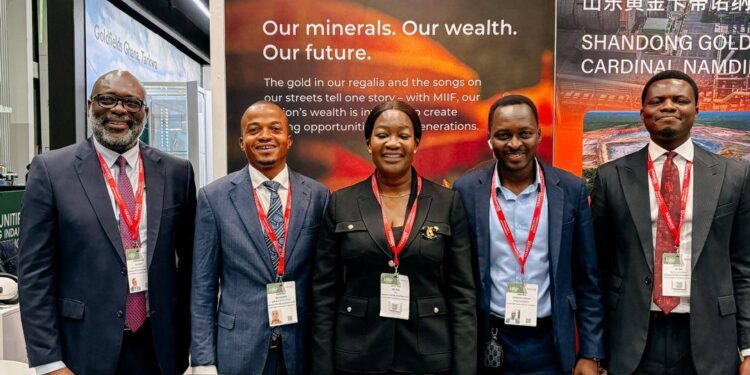
Minerals Income Investment Fund (MIIF) has set a high bar for sovereign wealth management at the 2026 African Mining Indaba by launching a strategic series of high-level engagements aimed at redefining the nexus between capital and national development.
Under the leadership of Chief Executive Officer Mrs. Justina Nelson, the Fund officially commenced a rigorous schedule of meetings with global mining stakeholders, financial institutions, and institutional investors, signaling a shift toward more integrated, responsible mineral income management.
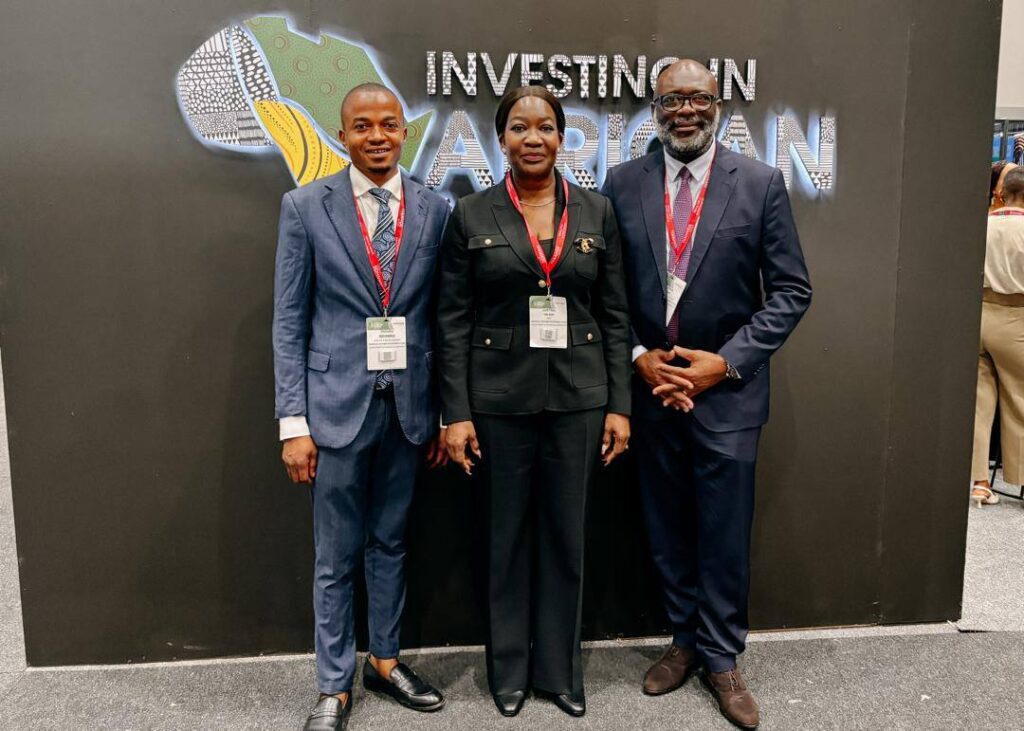
The Fund’s presence at the Cape Town International Convention Centre (CTICC) is bolstered by a delegation, including Board Members Hon. Yakubu Mohammed (MP for Ahafo Ano South-east) and Ms. Ama Mawusi Mawuenyefia, alongside Chief Technical Officer Mr. Kwabena Barning and Head of Investment Mr. Ernest Attiso.
These sessions focused on identifying “partnership opportunities that align strong commercial returns with Ghana’s national development priorities,” ensuring that every dollar invested serves the dual purpose of profit and public good.
Key stakeholders in the initial discussions included industry leaders such as Asanko Gold Mine Ghana Limited, AngloGold Ashanti, and Gold Fields Ghana Limited, where the dialogue moved beyond traditional extraction toward advanced financial instruments and sustainability frameworks.
“The discussions focused on identifying partnership opportunities that align strong commercial returns with Ghana’s national development priorities. The conversations reflected MIIF’s mandate to play a catalytic role in Ghana’s mining sector while supporting responsible investment practices. By the close of activities, MIIF had established a strong presence at African Mining Indaba 2026.”
Strategic Financial Engineering and ESG Integration
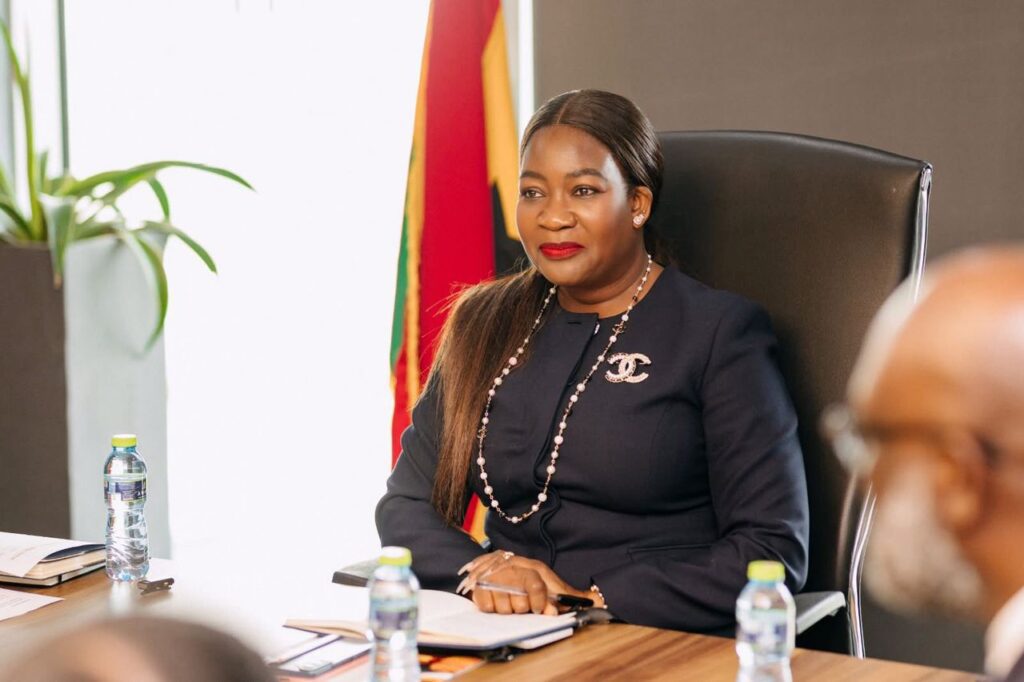
A primary focus of the engagement was the exploration of innovative financing models, including streaming arrangements and the management of foreign exchange considerations.
These mechanisms are designed to de-risk investments while ensuring a steady flow of royalties into the Ghanaian economy.
However, the technical discussions were equally matched by a robust emphasis on Environmental, Social, and Governance (ESG) integration.
According to MIIF officials, the Fund’s ESG and Sustainability teams are now working in lockstep with mining companies to spearhead the “reforestation of mined-out areas,” a move that reinforces a shared responsibility for long-term land restoration and environmental stewardship.
Social Impact and the “WomCom” STEM Initiative
MIIF’s strategy at Indaba 2026 extends significantly into the social realm, particularly through its “Women from Mining Communities” (WomCom) Programme.
Major mining firms reaffirmed their support for this initiative, pledging collaborative efforts on Science, Technology, Engineering, and Mathematics (STEM) education.
This partnership aims to dismantle barriers to entry for women and girls in technical and leadership roles within the extractive sector.
“The programme seeks to expand female participation,” a Fund representative noted, highlighting that inclusive growth is not just a moral imperative but a prerequisite for a resilient mining ecosystem.
Strengthening Ghana’s Extractive Future
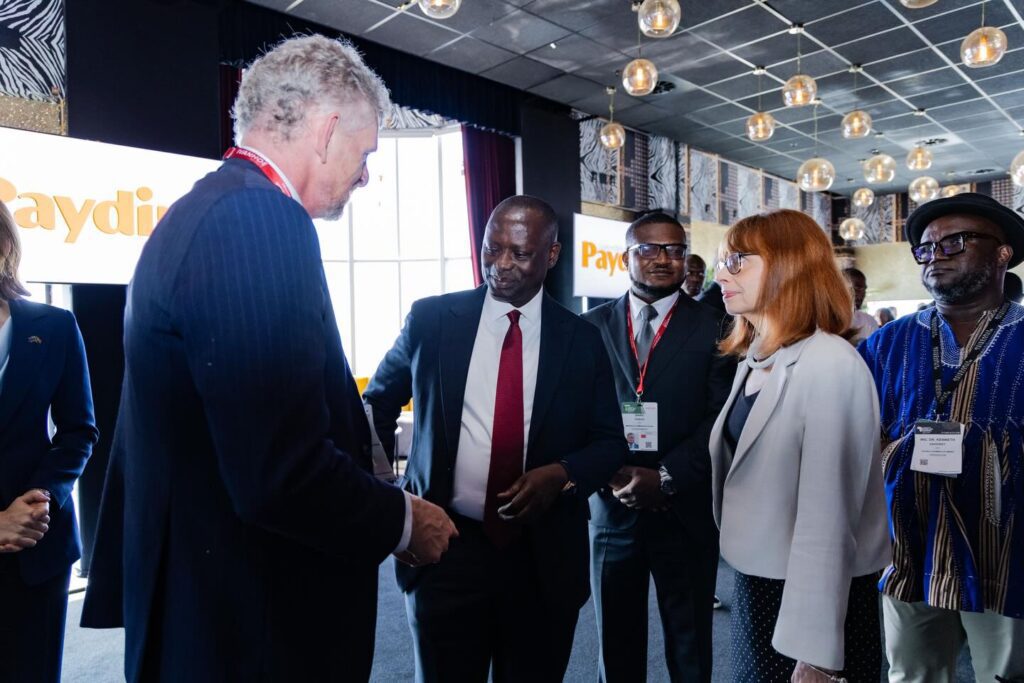
MIIF’s strategic engagements at Indaba 2026 are targeted at strengthening Ghana’s mining sector by formalizing more transparent investment channels and attracting high-quality capital that respects local content laws.
By positioning itself as a “catalytic” partner rather than a passive royalty collector, Minerals Income Investment Fund (MIIF) is actively reducing the cost of capital for mining companies while ensuring that the benefits ranging from infrastructure to education are felt directly by the host communities.
This proactive stance at the world’s largest mining investment conference effectively translates the event’s call for partnership into “tangible discussions,” cementing MIIF’s role as a cornerstone of Ghana’s economic sovereignty and inclusive development.
READ ALSO: Mahama Reaffirms Ghana’s Commitment to APRM Peer Review