
The Ghana Cocoa Board (COCOBOD) has triggered an emergency austerity regime as it fights to stabilize the nation’s most vital agricultural sector.
Chief Executive Officer (CEO) Dr. Ransford Abbey announced in a recent directive that the Board’s Executive Management and Senior Staff have voluntarily reduced their salaries for the remainder of the 2025/26 crop year.
The move, which sees the Executive Management absorbing a 20 percent pay cut and Senior Staff taking a 10 percent reduction, is a direct response to a liquidity crisis that has left the institution struggling to bridge the gap between operational costs and dwindling global revenues.
“This decision and other cost-cutting measures in procurement and a staff rationalisation exercise are aimed at reducing the overall expenditure of COCOBOD and aligning cost with revenue. The executive management and senior staff have, effective today, reduced their salaries in recognition of the current liquidity challenges”
COCOBOD
This fiscal sacrifice is being framed as an act of institutional solidarity, following intense pressure from the Ghana Farmers Association and Parliament.

Just days ago, stakeholders questioned the fairness of a 28.6 percent reduction in the producer price paid to farmers – from GHS 51,660 to GHS 41,392 per tonne – while administrative overheads remained untouched. By slashing its own payroll, COCOBOD is signaling a “shared burden,” approach to the worst pricing crisis the industry has faced in years.
Beyond the symbolic salary cuts, COCOBOD is undergoing a “ground-up structural overhaul” to eliminate waste. The Board has initiated a staff rationalization exercise and a freeze on non-essential procurement, moving to align its massive workforce of over 10,000 employees with the new lean-growth reality.
According to the announcement, this rationalization is critical as the institution attempts to shed the weight of “quasi-fiscal” activities – such as the multi-billion cedi cocoa road projects – which have historically bloated its balance sheet and contributed to its GHS 33 billion debt burden.
By stripping back these administrative layers, Dr. Abbey aims to restore the Board’s creditworthiness after the collapse of the 32-year-old syndicated loan model, which failed to attract international lenders earlier this season.
The “Unsold Bean” Crisis
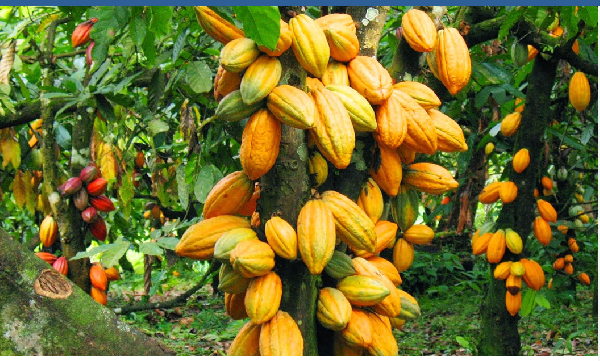
The liquidity crunch is not merely a result of debt but of a massive market mismatch. COCOBOD currently holds nearly 50,000 metric tonnes of unsold cocoa at the ports, as international buyers recoil from Ghana’s previously elevated prices.
With global market rates plunging from $7,200 to $4,100 per tonne, the Board’s decision to wait for spot market peaks backfired, leaving Licensed Buying Companies (LBCs) holding beans without off-takers and farmers without payments.
The salary cuts provide immediate, albeit modest, cash flow relief that the Ministry of Finance hopes will signal a new discipline to the World Bank and other development partners currently facilitating a $500 million emergency intervention for the sector.
The ultimate goal of these internal cuts is to prepare COCOBOD for a future without foreign syndicated loans. Under the newly approved COCOBOD Bill, the institution is moving toward a domestic cocoa bond model, where purchases are financed by local capital and repaid within the same crop year.
This “Great Industrial Reset,” for cocoa also includes a mandate to process 50 percent of all beans locally, reducing the industry’s exposure to the volatile price swings of the London and New York terminals.

The COCOBOD salary cuts serve as a necessary first step in purging the “mismanagement” narrative. For the Ghanaian farmer, the hope is that this top-down austerity finally trickles down into timely payments and a stabilized farm-gate price.
READ ALSO: Bright Simons Criticizes Africa’s 30% Minerals Reserves Mantra