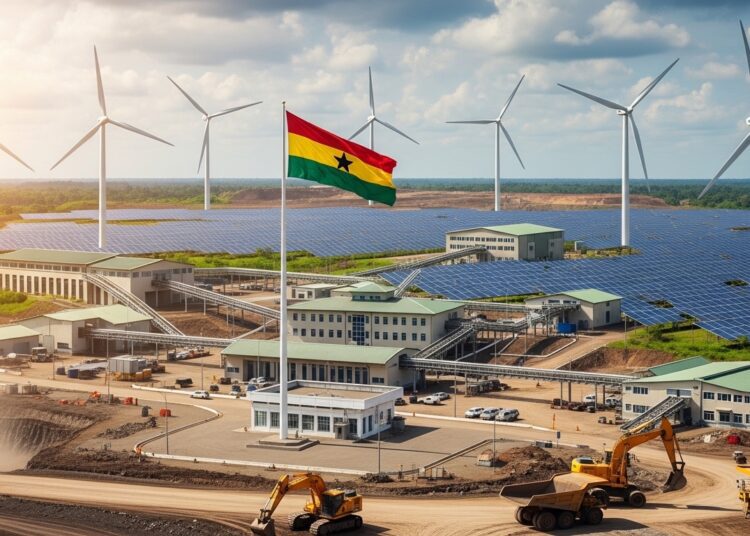
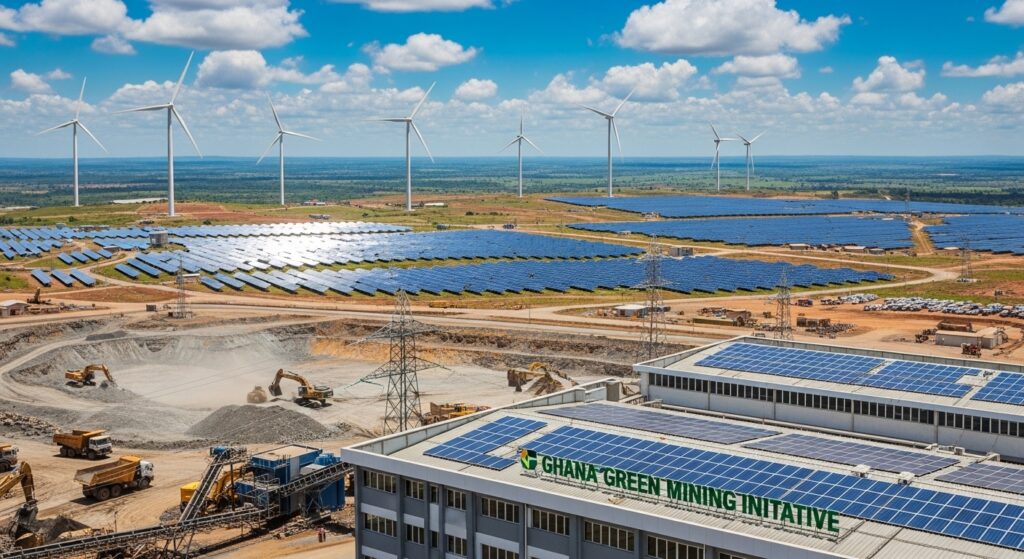
Ghana’s mining sector is set for a major policy shift as government moves to align mineral development with global cleaner energy trends.
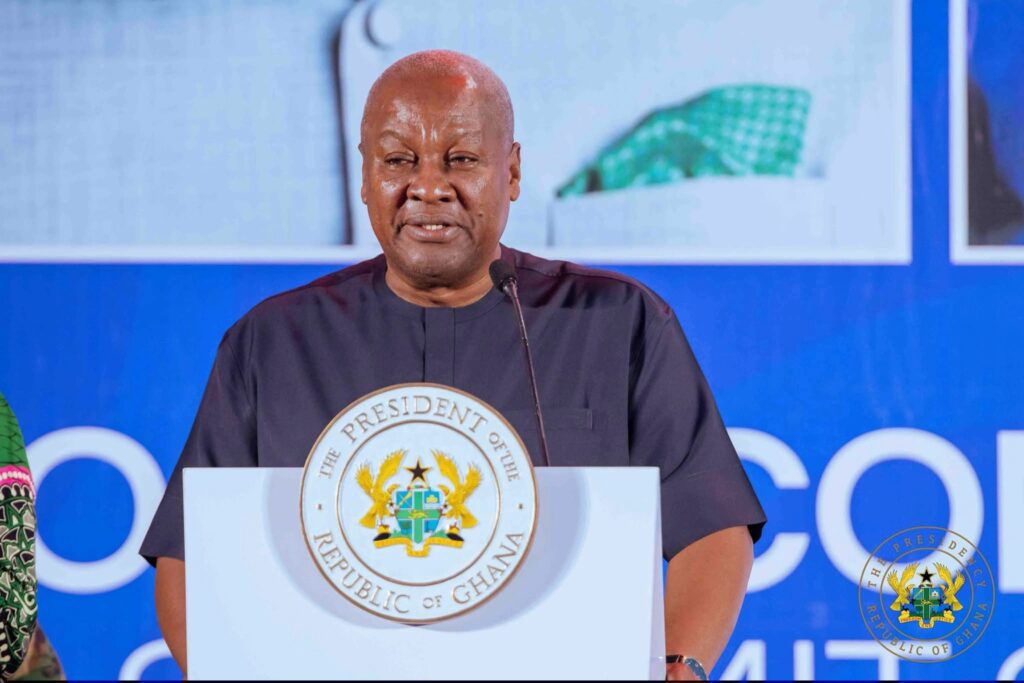
This renewed commitment was reinforced by President John Dramani Mahama at the 2026 Mining Sector Local Content Summit, where he outlined a forward-looking framework aimed at positioning Ghana as a competitive player in the emerging green energy economy.
“We must align our mining strategy with a global green energy transition,” he said, setting the tone for what could become a defining policy shift in the country’s resource governance framework.
The announcement places the intersection between mining and green energy transition at the heart of Ghana’s long-term industrial strategy.
Addressing industry leaders, policymakers and traditional authorities, the President emphasised that Ghana must rethink how its mineral resources are managed in order to respond effectively to rapid changes in global energy demand.
He stressed that the country cannot afford to operate with outdated models when the world is transitioning to cleaner technologies at an accelerated pace.
Responding to Global Energy Shifts
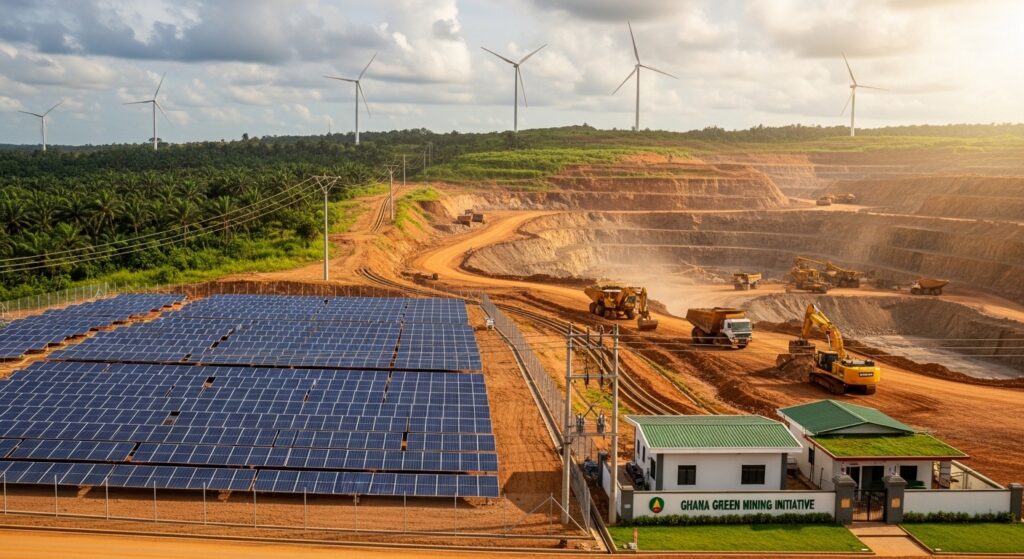
The President acknowledged that the global energy landscape is undergoing significant transformation.
As countries accelerate efforts to decarbonise and expand renewable energy systems, demand for critical minerals used in batteries, solar panels and electric vehicles continues to rise.
Ghana, endowed with gold, bauxite, manganese and emerging lithium deposits, is well positioned to benefit from these shifts.
However, President Mahama stressed that natural resource endowment alone is insufficient without deliberate policy alignment.
Ghana’s ability to compete in the green transition will depend on strategic planning, regulatory coherence and investment in innovation.
By connecting mining policy to sustainability objectives, the government aims to ensure that mineral extraction contributes to long-term economic resilience rather than short-term export gains.
Building Skills for a Modern, Renewable-Driven Economy
A key part of the President’s vision is talent development. Mahama stressed that the mining workforce of today must evolve to meet the needs of tomorrow. He identified technology adoption as essential to the country’s mining competitiveness.
“We’ll prioritise skills in renewable energy integration,” he stated, highlighting the need for training in advanced exploration technologies, data analytics and systems that support modern energy infrastructures.
The government plans to work with tertiary institutions, mining firms and industry partners to develop new talent pipelines.
According to Mahama, equipping Ghana’s youth with the right skills will not only support mining operations but also strengthen the country’s ability to take advantage of global growth in green energy technologies.
The proposed reforms, according to the President, go beyond mining legislation. They point to a coordinated national strategy that connects mining policy to industrial development, green energy transition, and long-term sustainability.
Ghana Positions Itself in a Competitive Global Market
As global economies shift away from fossil fuels, demand for critical minerals will continue to rise. By aligning its mining strategy with global sustainability trends, Ghana aims not only to maintain relevance in the international market but also to secure long-term benefits for its citizens.
Mahama’s message was clear: Ghana must capture more value from its mineral wealth, but this must be done in a way that supports industrial growth, protects communities and strengthens environmental governance.
The government believes that integrating sustainability, innovation and industrial vision is the only path toward ensuring that mining contributes meaningfully to Ghana’s long-term prosperity.
The challenge now lies in execution, ensuring that policies are implemented effectively, skills are developed strategically and investments are channelled into sustainable, value-driven growth.
READ ALSO: GIIF, TDB Group Target Billions In Infrastructure Synergies