

The Ghana Centre for Democratic Development, CDD-Ghana, has stated that nothing legally prevents the publication of the Article 146 inquiry report that led to the removal of the Chief Justice, arguing that disclosure is essential to restoring public trust in the judiciary.
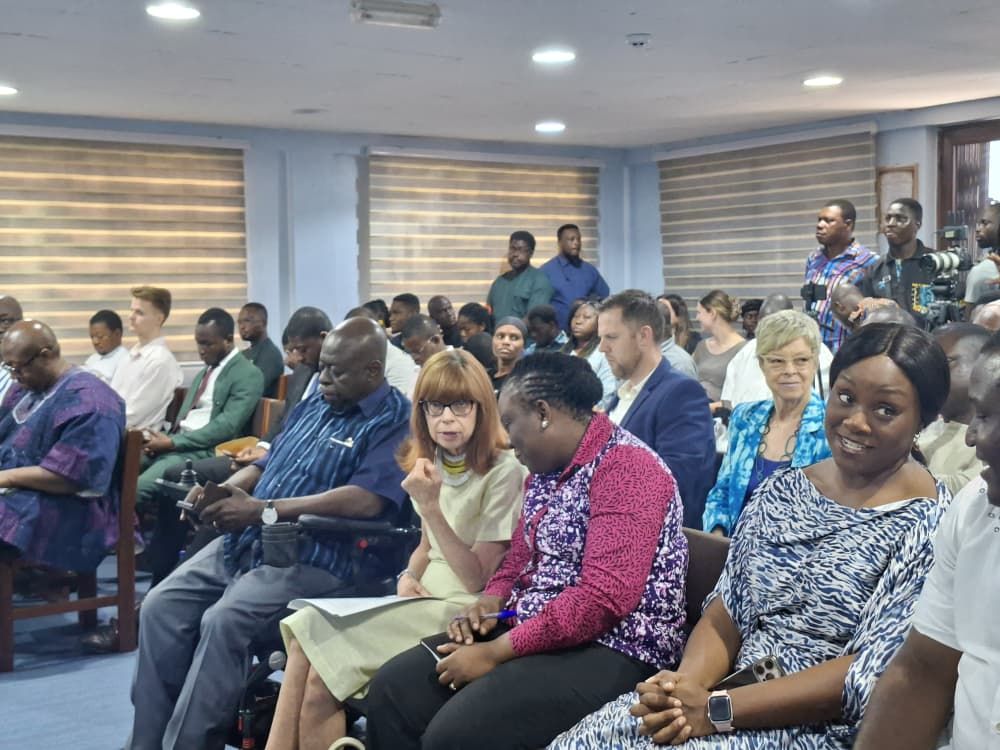
The position was articulated during the organisation’s one year assessment of the Mahama administration, presented by Dr Kojo Pumpuni Asante, Director of Policy Engagement and Partnerships.
CDD-Ghana acknowledged that the removal process followed the letter of the 1992 Constitution but maintained that the unprecedented nature of the decision required a higher standard of transparency to protect the credibility of the judiciary and the broader constitutional order.
Dr Asante noted that the Article 146 process unfolded against a background of declining public confidence in the judiciary. Afrobarometer surveys, he observed, have consistently shown a trust deficit, which was further amplified during the 2024 election period when the National Democratic Congress strongly criticised judicial appointments perceived to favour the previous administration.
According to CDD-Ghana, these perceptions heightened political sensitivity around the judiciary, making transparency not optional but necessary. When President John Dramani Mahama initiated the Article 146 proceedings in March 2025 following petitions seeking the Chief Justice’s removal, the organisation said the stakes were exceptionally high for judicial independence and democratic stability.

An Unprecedented Constitutional Moment
The announcement of the Chief Justice’s removal on September 1, 2025 marked the first time such an action had occurred under the Fourth Republic. While CDD-Ghana accepted that constitutional procedures were followed, Dr Asante stressed that the conclusion of the process presented an opportunity to reassure the public.
He argued that once the committee completed its work, there was no legal barrier to releasing the report, including its findings, reasoning, and grounds for the decision. In his view, public access to the report would allow citizens to independently assess whether the process was fair, just, and free from political interference.
CDD-Ghana expressed concern about the finality embedded in the Article 146 process. Dr Asante explained that the mechanism allows no appeal once the process concludes, meaning grievances not resolved during the inquiry effectively have no judicial remedy.
He referenced concerns raised by Justice Tokornu, who questioned whether elements of the process breached principles of natural justice and human rights. However, courts, including the Supreme Court and the Human Rights Court, declined to intervene during the proceedings, citing constitutional limitations and the need to await completion of the process.
This, CDD-Ghana argued, exposes a structural weakness. When a process is both final and insulated from judicial review, transparency becomes the only remaining safeguard for public confidence.
Conflicts of Interest and Structural Weaknesses
Beyond transparency, CDD-Ghana highlighted conflicts of interest within the current Article 146 framework. Dr Asante pointed to the composition of inquiry committees, which may include Supreme Court justices who could later be required to sit on related legal challenges.
This dual role, he warned, undermines perceptions of impartiality and raises legitimate concerns about fairness. The organisation stressed that these issues are not personal but systemic, requiring constitutional and institutional reform.
CDD-Ghana emphasised that the controversy surrounding the Article 146 inquiry should not be reduced to the personality of the removed Chief Justice. Instead, the organisation urged a broader examination of judicial governance architecture.

Dr Asante argued that the Chief Justice currently wields extensive administrative authority, particularly over judicial transfers, promotions, and panel composition. This concentration of power, he said, creates uncertainty within the political class and leaves the office vulnerable to political contestation.
He noted that in other jurisdictions, mechanisms such as random panel allocation are used to reduce discretion and enhance independence. CDD-Ghana believes Ghana must consider similar reforms to strengthen institutional resilience.
Backing Constitutional Review Committee Proposals
The organisation welcomed proposals from the Constitutional Review Committee, which has recommended substantive reforms to judicial appointments and removal processes. According to CDD-Ghana, tackling both appointment security and removal safeguards is essential to protecting judicial independence.
Dr Asante maintained that reform should aim to give judges confidence that their tenure is protected while reassuring the public that accountability mechanisms are fair, transparent, and credible.
CDD-Ghana concluded that publishing the Article 146 inquiry report remains both possible and necessary. While acknowledging the sensitivity of the matter, the organisation argued that secrecy only deepens suspicion and undermines institutional legitimacy.
In its assessment, Ghana’s democracy would be better served by openness, reflection, and reform. The organisation urged government to release the report, address structural flaws in the judiciary’s governance framework, and implement constitutional reforms to prevent similar controversies in the future.
READ ALSO: Brazil, India Seal Critical Minerals Pact