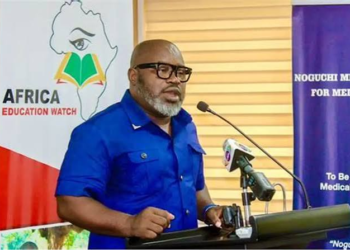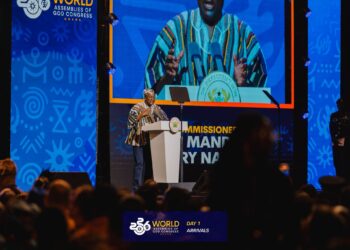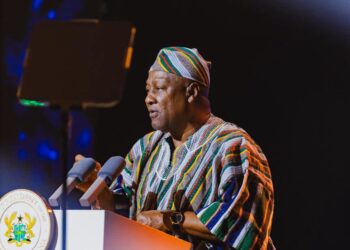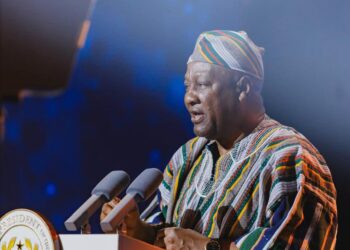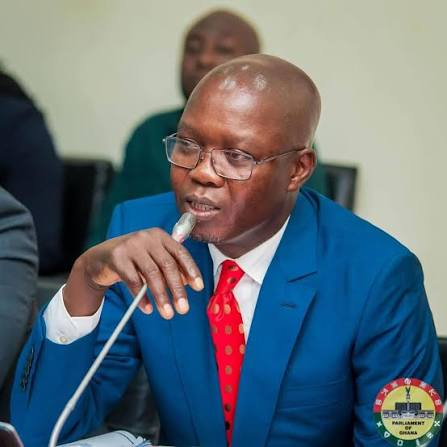
The Head of Ghana’s delegation to the Pan-African Parliament, Hon. Bernard Ahiafor, has called for a coordinated continental response to youth unemployment, warning that Africa’s development aspirations will remain unattainable unless governments collectively address the socio-economic challenges confronting the continent while placing young people at the centre of policy and development interventions.
Addressing the Pan-African Parliament, Hon. Ahiafor stressed that unemployment, climate change, food insecurity, migration, digital transformation and regional security transcend national boundaries and require unified African solutions anchored on cooperation, solidarity and shared responsibility to advance Agenda 2063 and the African Continental Free Trade Area (AfCFTA).
Hon. Ahiafor underscored the strategic importance of Africa’s youthful population, describing young people as the driving force behind the continent’s future economic growth, innovation and sustainable development.
He noted that while Africa continues to pursue ambitious continental frameworks aimed at accelerating economic integration and prosperity, the success of those initiatives will ultimately depend on creating opportunities that enable young people to participate meaningfully in national and regional development.
According to him, persistent youth unemployment continues to undermine economic progress, limit innovation and widen social inequalities, making investment in human capital an urgent development priority.
“Africa’s future depends on how boldly we invest in opportunities for its young people.”
Hon. Bernard Ahiafor
He maintained that African governments must adopt coordinated policies that strengthen job creation, entrepreneurship, technical skills development and digital inclusion to unlock the full potential of the continent’s youth.

Shared Challenges Require Collective Solutions
Hon. Ahiafor noted that the interconnected nature of Africa’s development challenges makes regional cooperation indispensable.
He explained that climate change continues to threaten agricultural production and livelihoods, while unemployment fuels migration and heightens economic vulnerability across several countries.
Similarly, he noted that digital transformation presents significant opportunities for economic expansion but requires deliberate investment in infrastructure, innovation and skills development to ensure young Africans remain globally competitive.
The Ghanaian legislator argued that no individual country possesses the capacity to independently resolve these complex challenges, emphasising that stronger collaboration among African states remains critical to delivering sustainable solutions.
He further indicated that coordinated action would strengthen resilience, improve policy implementation and enhance the continent’s ability to respond effectively to emerging socio-economic challenges.
Continental Frameworks Must Deliver Tangible Outcomes
Highlighting the African Continental Free Trade Area and the African Union’s Agenda 2063, Mr. Ahiafor described both initiatives as important vehicles for driving economic integration, industrialisation and shared prosperity across Africa.
He said the Pan-African Parliament equally plays a critical role in advancing these objectives by promoting legislative cooperation, democratic governance and policy harmonisation among member states.
However, he cautioned that the ambitions contained in these continental frameworks would only be realised if governments deliberately prioritise youth empowerment and employment creation.
According to him, Africa’s development agenda should move beyond policy commitments to practical interventions capable of improving livelihoods and expanding opportunities for young people.
He stressed that equipping young Africans with relevant knowledge, entrepreneurial skills and digital competencies would significantly strengthen the continent’s competitiveness in the global economy.
Parliamentary Cooperation Critical to Regional Development
Hon. Ahiafor further emphasised the importance of parliamentary diplomacy in promoting Africa’s integration agenda. He noted that the Pan-African Parliament provides an important platform for legislators to deliberate on shared challenges, exchange best practices and develop policy responses that advance regional development objectives.
He said stronger cooperation among African legislatures would contribute to improved governance, enhanced accountability and more effective implementation of continental agreements.
The Ghanaian delegation leader also urged member states to strengthen collaboration with the private sector, development partners and civil society organisations to mobilise the resources required to address unemployment and other pressing development challenges.
Job Creation Must Remain a Policy Priority
Hon. Ahiafor identified employment creation as one of the most pressing policy priorities facing African governments.
He called for increased investment in education, vocational and technical training, innovation, digital technology and entrepreneurship to prepare young people for emerging labour market opportunities.
He also advocated stronger partnerships between educational institutions and industry to bridge existing skills gaps and improve graduate employability across the continent.
“No nation can solve Africa’s shared challenges alone; our strength lies in working together.”
Hon. Ahiafor
According to him, empowering young people through productive employment would not only reduce poverty but also strengthen economic resilience, social cohesion and democratic stability.
He added that sustained investment in youth development remains fundamental to achieving inclusive growth and ensuring that Africa fully harnesses its demographic advantage.
Continental Unity Essential for Sustainable Development
Hon.. Ahiafor concluded that Africa’s long-term prosperity will depend on the willingness of governments and regional institutions to pursue common solutions to shared challenges.

He maintained that deeper regional integration, stronger institutional cooperation and sustained investment in young people remain indispensable to achieving the aspirations outlined in Agenda 2063.
The Head of Ghana’s delegation further urged African leaders to translate continental commitments into measurable national actions capable of creating jobs, expanding economic opportunities and improving living standards.
He expressed confidence that with collective resolve, strategic leadership and coordinated action, Africa can build a more integrated, peaceful and prosperous continent where young people become active drivers of sustainable development rather than victims of unemployment and limited opportunities.
READ MORE: 138 Students Lose Belongings In Wa Islamic SHS Dormitory Fire