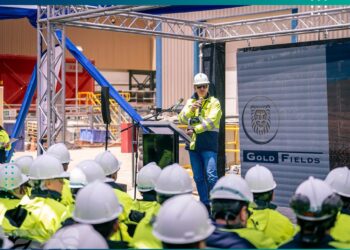
Newmont Corporation has transitioned into a more rigorous fiscal environment following the expiration of its decade-long Investment Stability Agreement (ISA) on December 31, 2025.
This pivot exposes the combined revenues of the Ahafo South and Ahafo North operations to the nation’s standard tax laws, ending an era of specialized fiscal protection.
Under the new regime, the mining giant is now liable for the 3 percent Growth and Sustainability Levy, while the corporate income tax rate on its profits has ascended by 2.5 percent to a total of 35 percent.
“The timing of when Newmont repatriates cash may drive periodic increases in reported costs due to the payment of these taxes. Revenues from the combined Ahafo South and Ahafo North operations are now subject to the 3 percent Growth and Sustainability Levy. The applicable corporate income tax rate on profits has increased by 2.5 percent to 35 percent.”
Newmont Corporation

The expiration of this framework introduces a multi-layered tax vulnerability that fundamentally alters the economic landscape for the Ahafo complex.
In addition to higher corporate levies, cash profits repatriated to the United States are now subject to an 8 percent withholding tax, which operates alongside the existing one-ninth carried interest royalty.
Because the timing of capital movement now dictates the application of these charges, the company anticipates that “repatriating cash may drive periodic increases in reported costs,” adding a layer of volatility to its financial reporting as it manages the operational ramp-up of its Ghanaian assets.
Escalating Operating Costs and Project Economics
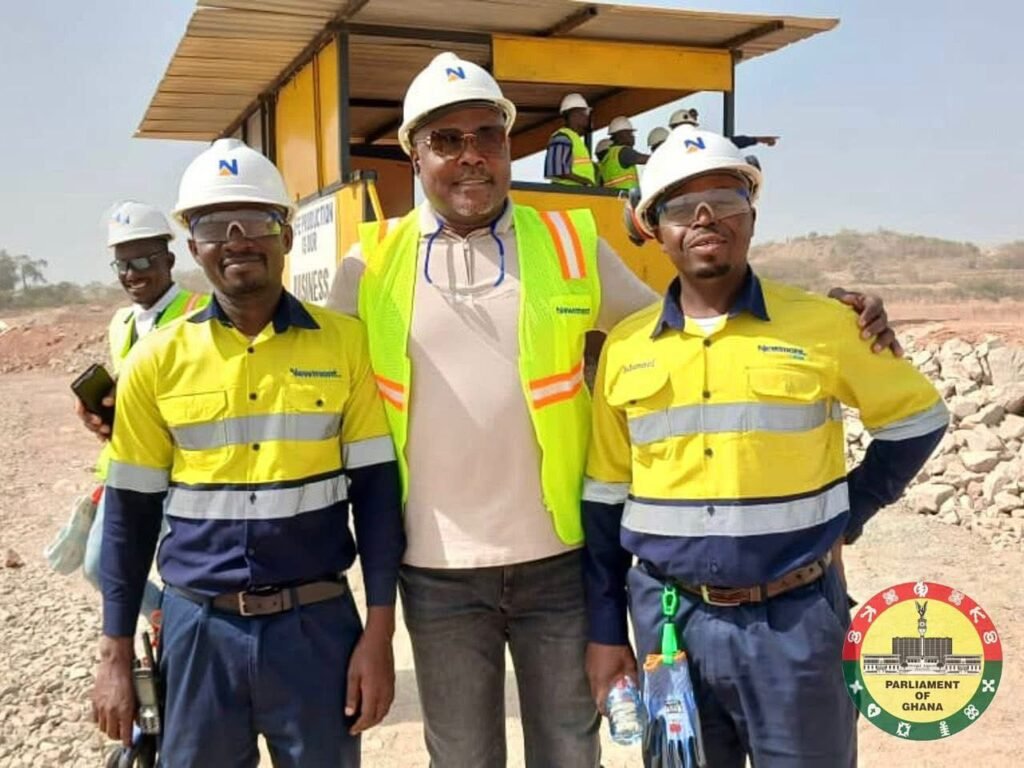
The shift from a “protected” fiscal status to the general tax regime represents a fundamental recalibration of Newmont’s All-In Sustaining Costs (AISC) in Ghana.
Industry observers suggest that the combination of the new sustainability levy and the 35 percent corporate tax rate could elevate operating expenses significantly per ounce produced.
The removal of historical fiscal cushioning means Newmont Corporation must now navigate a “double negative” of higher rates and reduced predictability in an increasingly expensive global mining market.
National Industry Implications and Investment Climate

Newmont’s entry into this vulnerable regime signals a broader structural shift in Ghana’s extractive sector as the government seeks to “normalize mining investment stability agreements” across the board.
As the state moves to capture a larger share of windfall gains from high bullion prices, there are concerns within the Ghana Chamber of Mines that such “aggressive fiscal restructuring” could heighten the political risk premium for foreign direct investment.
While the state views this as a necessary step to “maximize long-term mining revenue” for national development, the industry warns of a potential chilling effect on future exploration and greenfield expansion projects across the gold belt.
Erosion of Global Competitiveness and Capital Flight

By phasing out the specific protections of the ISA, Ghana is testing its standing as a “preferred destination for future investment” against emerging gold jurisdictions in the sub-region.
The expiration of these deals with other major Tier-1 producers expected to face similar expirations in the coming years means the nation’s Average Effective Tax Rate (AETR) is now among the highest in the West African mining hub.
If the increased fiscal burden “undermines the competitiveness of Ghana’s mining sector,” major players may prioritize capital allocation toward more stable regimes.
The balance between immediate revenue mobilization and sustaining a “resilient, multi-decade mining industry” remains the most critical challenge for Ghana’s extractive policy in 2026.