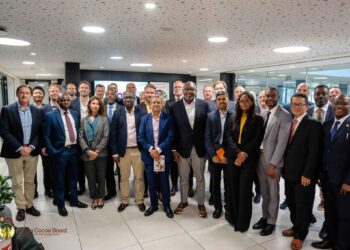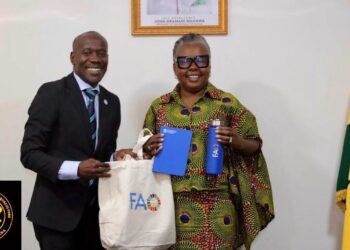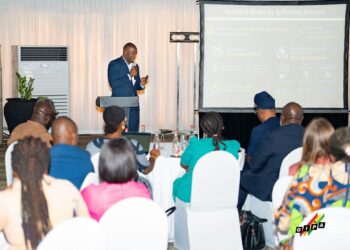
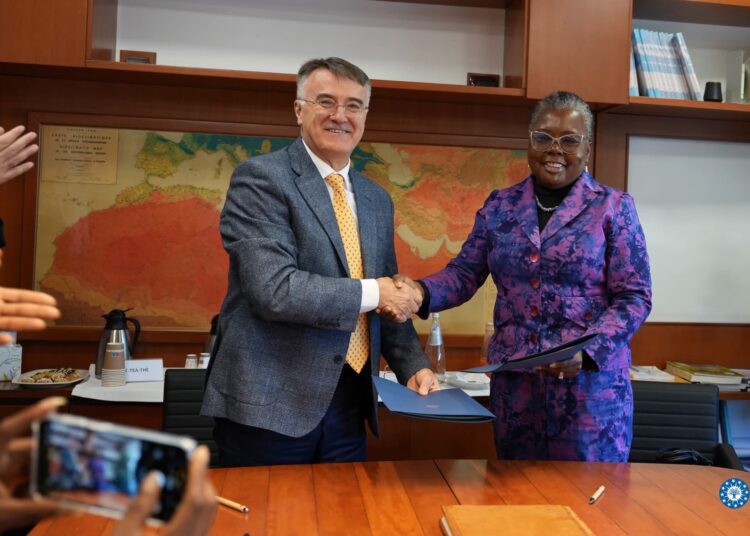
In a decisive move to modernize Ghana’s maritime frontiers, the Ministry of Fisheries and Aquaculture Development (MoFAD) has concluded a high-level diplomatic mission to Italy with a landmark partnership.
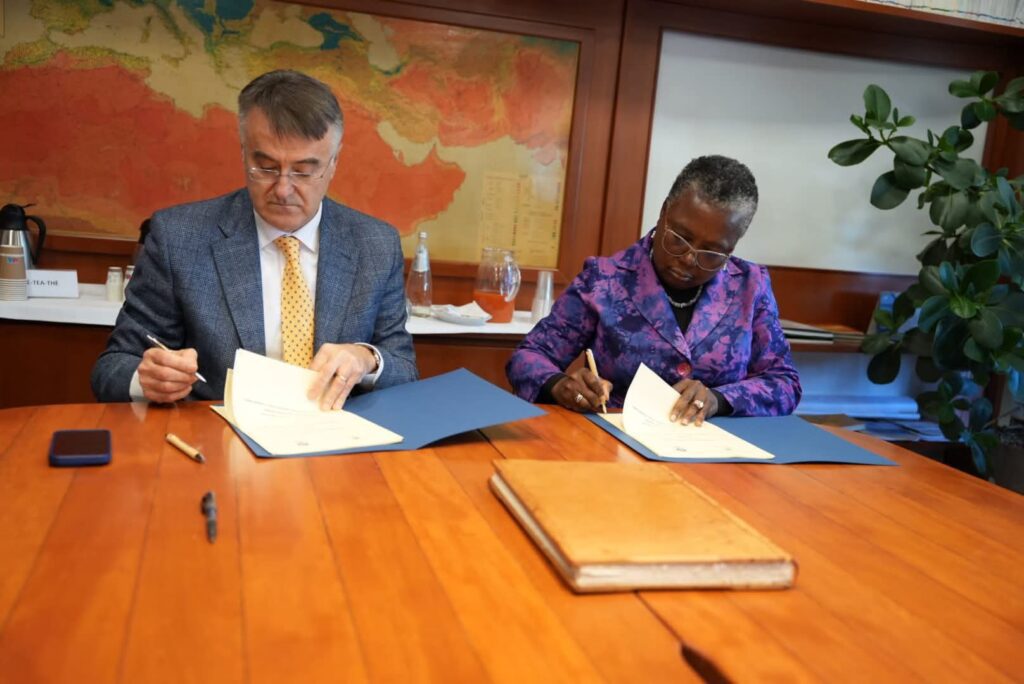
Minister for Fisheries and Aquaculture Development, Hon. Emelia Arthur, signed a Memorandum of Understanding (MoU) with CIHEAM Bari under the AREA Africa Programme. This agreement, signed in the historic port city of Bari, marks the beginning of a structural transformation aimed at integrating advanced European aquaculture technologies into Ghana’s local “Blue Economy.”
“The agreement establishes a strategic partnership between Ghana and Italy aimed at advancing sustainable fisheries management, aquaculture development, research and training, institutional capacity building, private sector investment, and Blue Economy development”
MoFAD
As Ghana grapples with the need for fish stock recovery and the reduction of post-harvest losses, the partnership with Italy offers a blueprint for transition. The visit took the Ghanaian delegation through the heart of Italy’s maritime industry – Monopoli, Tricase, Gallipoli, and Torre Suda – where they engaged with maritime authorities, fisheries cooperatives, and seafood processors.
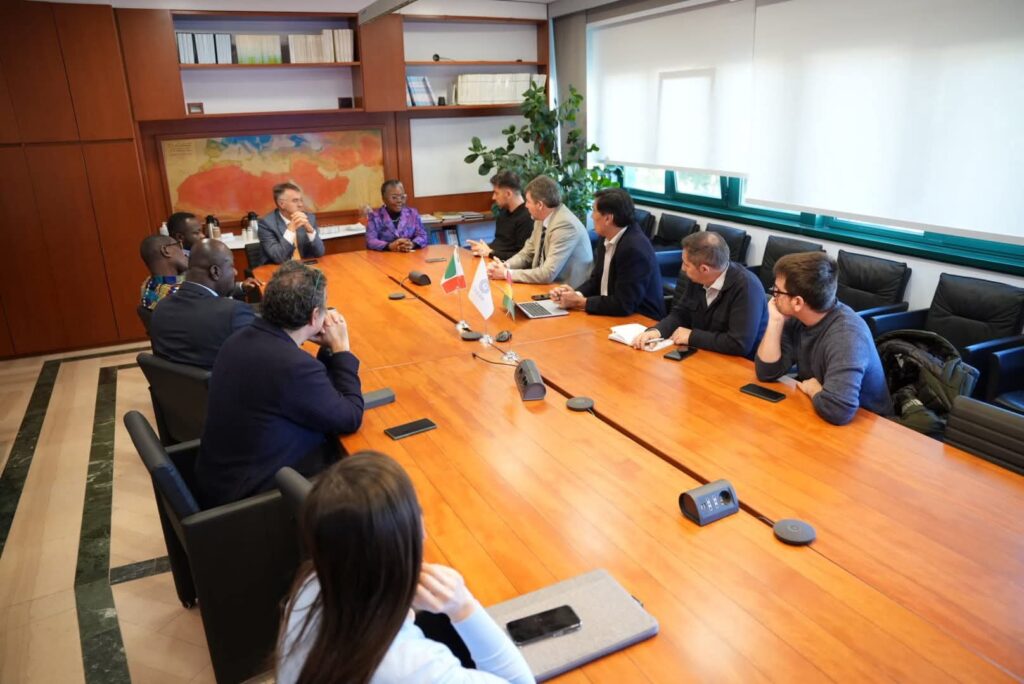
According to MoFAD, the MoU establishes a strategic framework for offshore marine aquaculture, a sector President Mahama’s administration has identified as a key pillar for food security.
By moving production away from over-exploited nearshore waters, the partnership aims to introduce sustainable, high-yield innovation to Ghanaian waters. The focus is not merely on volume but on the Blue Economy philosophy – ensuring that economic growth is balanced with ecosystem restoration.
Crucially, the partnership addresses the technical gaps in Ghana’s current maritime infrastructure. Through CIHEAM Bari, Ghana will gain access to modern vessel monitoring and surveillance technologies, which are essential for curbing illegal, unreported, and unregulated (IUU) fishing – a major drain on the national economy.
Cold Chain and Traceability
One of the most significant takeaways from the technical engagements in Italy was the emphasis on modern fish processing and traceability systems.
Currently, Ghana loses a substantial percentage of its catch to poor storage and handling. The Italian model of integrated cold chains ensures that from the moment a fish is harvested in the Mediterranean to the point it reaches the consumer, its quality and origin are documented and preserved.
“These experiences will support Government’s ongoing efforts to modernise the fisheries sector, reduce post-harvest losses, strengthen monitoring and enforcement, and promote sustainable livelihoods in coastal communities”
MoFAD
The Ministry intends to replicate these cold chain logistics locally, creating a more resilient supply chain that supports the livelihoods of coastal communities. This aligns with the broader 24-Hour Economy agenda, where processing plants can operate at maximum efficiency with consistent raw material supply.
However, the partnership is not limited to infrastructure; it is a long-term investment in human capital.
The MoU includes provisions for postgraduate training and research collaboration, ensuring that Ghanaian scientists and policy-makers are equipped with the latest skills in Marine Protected Area (MPA) governance. This academic exchange is designed to build a “talent pathway,” for the next generation of maritime experts.
Furthermore, the agreement acts as a green light for private sector investment. By creating a transparent and technologically advanced environment, the government is inviting Italian and Ghanaian private operators to form joint ventures in seafood processing and maritime technology.
“The Ministry of Fisheries and Aquaculture will work closely with CIHEAM Bari and other stakeholders to develop an implementation roadmap to operationalise the partnership”
MoFAD

As the Ministry begins developing the implementation roadmap, the focus shifts from diplomatic dialogue to operational delivery. This Italian partnership serves as a vital component of the “Resetting Ghana,” industrial agenda, proving that the nation’s waters are the next frontier for value-added economic growth.
READ ALSO: UK Announces New Support Package For Ukraine