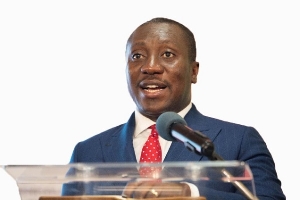

The Minister for Transport, Hon Joseph Nikpe, has assured the public that Ghana will not incur any significant financial burden following the decision to rename Kotoka International Airport as Accra International Airport.
Addressing concerns about the potential cost implications, the Minister explained that critical international aviation systems remain unchanged, significantly reducing any expenses associated with the transition.
According to Hon Nikpe, international aviation regulatory bodies that oversee airport naming conventions have maintained Ghana’s existing codes despite the renaming decision.
He noted that the International Civil Aviation Organisation and the International Air Transport Association, which regulate global aviation standards, have not altered Ghana’s airport or country codes.
“The good news for us is that all these organisations that control aviation have not changed the country code. ICAO still maintains the country code DGAA, and IATA and ICAO still maintain the country code AIA”.
Minister for Transport, Hon Joseph Nikpe
The Minister emphasised that because these international identifiers remain intact, there is no requirement for Ghana to undertake expensive changes at the global level.

He explained that the only adjustments needed locally involve physical branding elements such as signage, billboards, letterheads, and official stamps. These changes, he stressed, will be minimal and manageable within existing arrangements.
Hon Nikpe further clarified that the airport authority already works with vendors who routinely produce branded materials such as letterheads and stamps. As a result, no new procurement processes or contracts are required.
Ongoing Renovation and Construction Works
The Transport Minister explained that the renaming exercise coincides with ongoing renovation and construction works at the airport, which further reduces the financial impact. He said some existing signages and branded materials would have been replaced as part of the renovation process regardless of the name change.
“We are already renovating the airport. We are already doing construction of the airport to make it function properly. Some of those things would have been destroyed and rebranded anyway.”
Minister for Transport, Hon Joseph Nikpe
According to him, the timing of the renaming therefore allows the country to integrate the changes seamlessly into ongoing infrastructure upgrades. This approach, he argued, ensures value for money and avoids unnecessary duplication of costs.
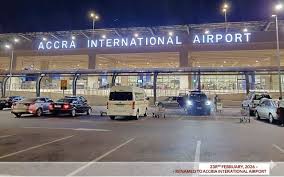
“It is just a matter of Kotoka out and Accra in. Even though there will be some cost to it, it is not that cost that somebody will care about,” he said. Hon Nikpe acknowledged that public concerns about cost are legitimate, particularly because taxpayer funds are involved.
Internal Planning and Coordination Cutting Cost
However, he maintained that internal planning and coordination have ensured that the financial implications will remain modest. He contrasted Ghana’s situation with that of other countries that have had to undertake extensive and costly changes when renaming airports.
In many cases, such changes require updates across international aviation databases, airline systems, and regional navigation frameworks. Ghana, he said, is spared these expenses because the international aviation bodies continue to recognise the existing codes associated with Accra’s airport.
The Minister reiterated that the authority to regulate critical aspects of airport naming lies with international aviation institutions, and Ghana’s engagement with these bodies has ensured a smooth transition.
“Finally, critical areas of change of name of airports is the international bodies,” he said, underscoring the importance of their continued recognition of Ghana’s aviation identifiers.
The renaming of the airport has generated public debate, with some questioning whether the exercise is necessary at a time of competing national priorities. Supporters, however, argue that the new name better reflects Ghana’s national identity and historical narrative.
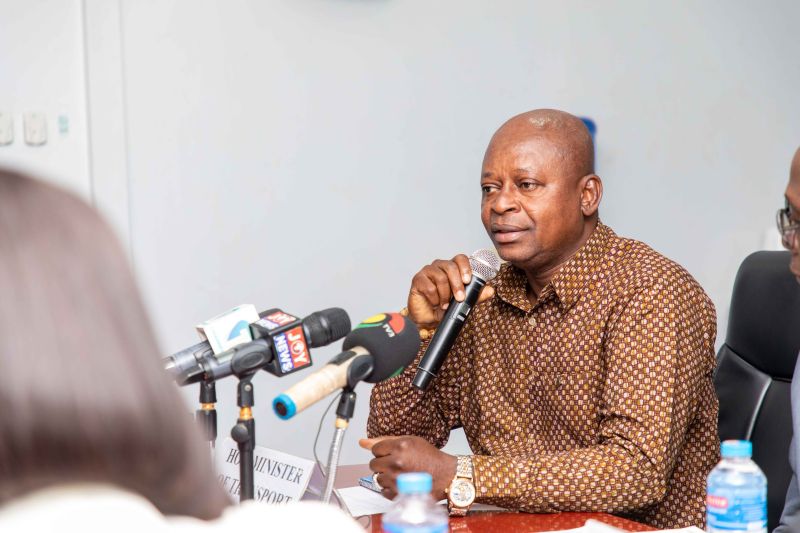
Against this backdrop, the government’s assurance that the change will not impose a heavy financial burden is likely to ease public anxiety. By maintaining international aviation codes and relying on existing vendors and renovation works, the Transport Ministry believes the transition can be completed efficiently and at minimal cost.
As Ghana continues to modernise its aviation infrastructure, officials insist that fiscal prudence remains central to all policy decisions affecting public assets.
READ ALSO: President Mahama Pledges Productivity Revolution and Cocoa Value Reset