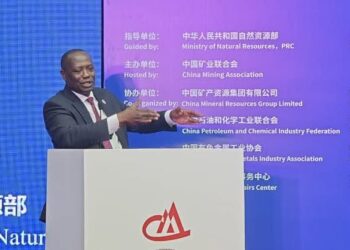
Dr. Kenneth Bansah, a Mining Engineering lecturer at the University of Mines and Technology (UMaT), has asserted that the return of the Damang mineral rights to the state following the expiration of its long-term lease should be viewed as a standard contractual conclusion rather than an opportunistic intervention.
He clarifies that the government’s exercise of its legal authority to determine the future of a lapsed lease is a legitimate administrative action, especially given that the original 30-year term was already supplemented by a one-year extension.
This transition, according to the extractive expert, aligns with the established legal framework and does not undermine the foundational principles of investor confidence.
“The broader question, therefore, may not just be about risk-sharing, but about respecting contractual timelines. If a lease reaches its natural expiration and is not renewed, that in itself should not automatically be interpreted as opportunistic intervention. It may clearly reflect the end of a contractual term.”
Dr. Kenneth Bansah
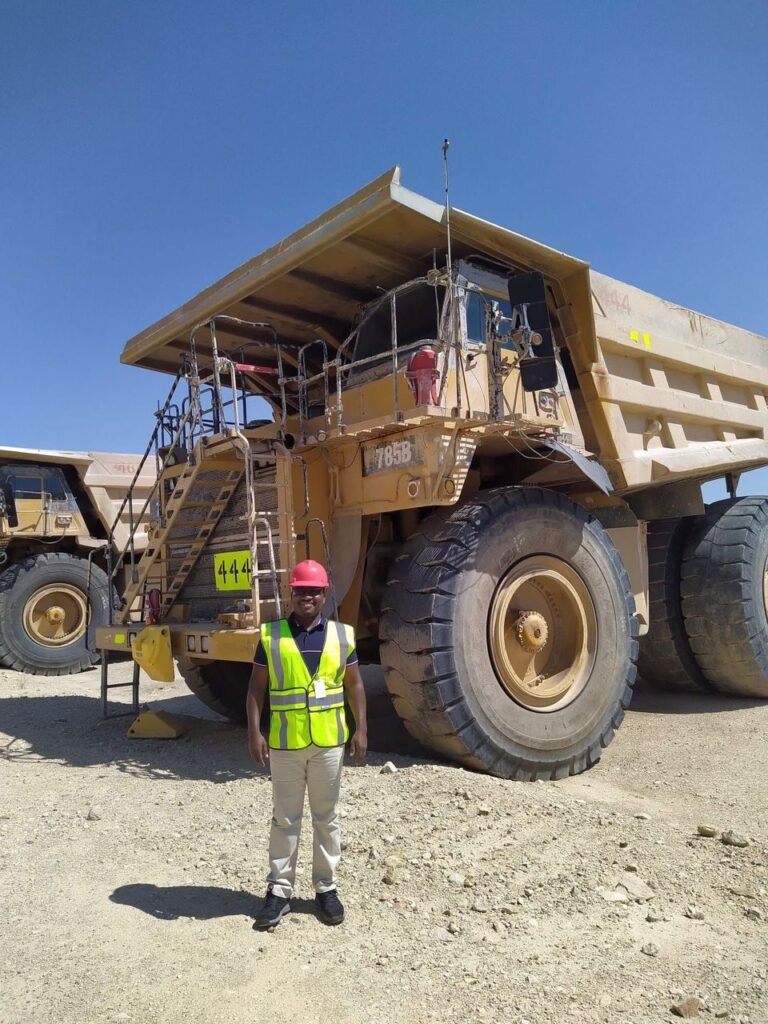
The discourse surrounding the asset’s return has been enriched by Dr. Bansah’s observation that the leaseholder entered the agreement with full transparency regarding the 30-year duration, meaning all financial modeling and risk assessments were structured around this specific timeline.
While mining remains a high-risk and capital-intensive industry, sophisticated global entities factor in regulatory and political risks well before committing capital to a project.
Since the state was under no obligation to grant the final extension that expires this April, its decision to do so suggests that due process was followed and that there was no abrupt intervention midstream to disrupt the company’s operations.
Contractual Integrity and Investor Realities

Adhering to the sanctity of contracts requires both the state and the investor to respect the natural termination dates of mining agreements.
Dr. Bansah maintains that Ghana has historically provided a stable environment for long-term mining operations, and there is little evidence to suggest that political risk has materially disrupted the sector’s growth.
By allowing the lease to expire naturally, the state is simply enforcing the agreed-upon duration, a move that should be expected by any investor who has already had three decades to recover capital and generate significant returns.
Economic Sovereignty and National Interest

The takeover of the Damang mine presents a strategic opportunity for the country to maximize its mineral wealth through enhanced state participation and a more robust focus on national interest.
By reclaiming the asset, the government can ensure that the remaining life of the mine which is estimated to produce over 100,000 ounces of gold annually directly supports the domestic economy through increased revenue retention and a more aggressive local content strategy.
This transition allows for the prioritization of Ghanaian professionals and service providers, ensuring that the wealth generated from the soil circulates more effectively within the local economy rather than being entirely repatriated.
Long-Term Sector Strategy and Sustainability

A well-managed transition of the Damang asset will serve as a blueprint for how the state can re-evaluate and optimize its mineral holdings as older leases come to an end.
This approach fosters a more balanced partnership between the state and private investors, where the renewal of rights is not treated as an automatic entitlement but as a strategic decision based on current national priorities.
Ultimately, the return of these mineral rights enables the government to implement a more sustainable mining model that secures the livelihoods of thousands of workers while maintaining the integrity of the country’s extractive industry strategy.
READ ALSO: Takeover Proposal Did Not Encompass Company’s Potential – Atlantic Lithium CEO