
The Minister for Energy and Green Transition, John Abdulai Jinapor, has convened a high-level meeting with key players in the petroleum sector to safeguard Ghana fuel security amid escalating tensions in the Middle East.
The emergency engagement, held on March 3, 2026, brought together major stakeholders across both the upstream and downstream segments of Ghana’s petroleum industry.
The discussions centered on assessing the potential impact of the ongoing geopolitical crisis on fuel supply reliability, pricing stability and consumer welfare.
According to a press release signed by Richmond Rockson, Esq., Spokesperson and Head of Communications at the Ministry, the meeting was part of government’s proactive efforts to insulate the country from external energy shocks.

“The engagement brought together representatives from the National Petroleum Authority (NPA), BOSTEnergies, Ghana National Petroleum Corporation (GNPC), Oil Marketing Companies (OMCS), Bulk Import, Distribution and Export Companies (BIDECS) and other industry players.”
Richmond Rockson, Esq., Spokesperson and Head of Communications at the Ministry
Discussions focused on heightened volatility in global oil markets, potential supply chain disruptions, fluctuations in freight costs, and the likely implications for domestic fuel pricing.
The Middle East crisis, involving intensified hostilities between the United States, Israel and Iran, has rattled global energy markets in recent weeks, raising concerns about supply bottlenecks and price spikes.
Proactive Measures to Protect Supply
Addressing participants, Dr Jinapor underscored the urgency of staying ahead of potential disruptions.
He emphasized that Ghana cannot afford complacency at a time when geopolitical instability is influencing global crude prices and shipping routes. “Hon. Dr. Jinapor underscored the need to be proactive to safeguarding Ghana’s energy supply reliability,” the statement noted.
The Minister assured stakeholders that contingency measures are currently under review and being strengthened to minimize any adverse effects on the country.
While Ghana sources petroleum products from diversified markets, global price movements and freight adjustments often transmit directly into local pricing under the deregulated regime. The Minister therefore stressed the importance of coordinated planning and swift response mechanisms.
NPA Directed to Intensify Surveillance
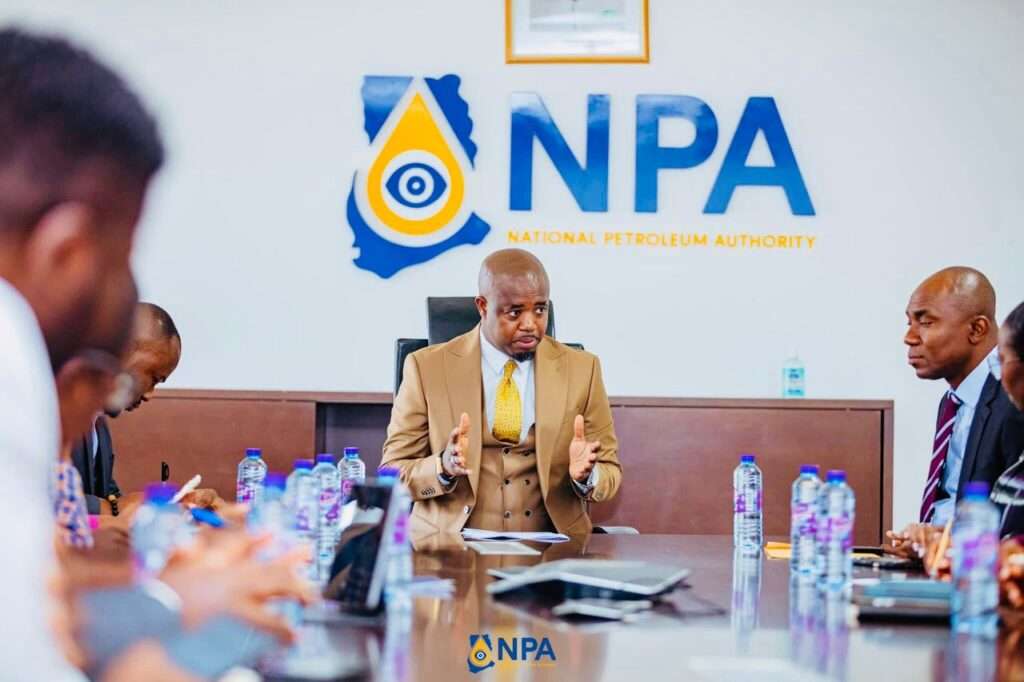
As part of immediate action points, the Minister directed the National Petroleum Authority, the downstream sector regulator, to heighten its market oversight role.
“Hon. Minister directed the National Petroleum Authority, as the downstream sector regulator, to intensify its market surveillance and continue close coordination with industry stakeholders to ensure that anticipated supply disruptions are mitigated swiftly and effectively.”
Richmond Rockson, Esq., Spokesperson and Head of Communications at the Ministry
The directive is expected to strengthen monitoring of fuel imports, distribution channels and retail pricing trends, ensuring that any emerging risks are addressed before they escalate.
Industry analysts say enhanced regulatory vigilance is critical in periods of global uncertainty, particularly when speculative pressures can exacerbate domestic price instability.
“He further charged all sector agencies to maintain adequate strategic fuel stocks, enhance monitoring of international developments, and ensure stable nationwide distribution.”
Richmond Rockson, Esq., Spokesperson and Head of Communications at the Ministry
Strategic reserves play a pivotal role in stabilizing supply during global disruptions. By maintaining sufficient stock levels, Ghana can absorb short-term shocks while alternative supply routes are secured.
The emphasis on nationwide distribution also reflects concerns about potential logistical bottlenecks that could arise from shipping delays or higher freight costs linked to instability in key maritime corridors.
Government Reassures the Public
Despite the heightened global uncertainty, government has moved to reassure citizens that fuel availability remains stable.
“Government assures the public that it remains fully committed to protecting Ghana’s energy supply security. All necessary measures are being explored to ensure sustained fuel availability and to mitigate undue hardship on consumers.”
Richmond Rockson, Esq., Spokesperson and Head of Communications at the Ministry
The Ministry pledged to continue monitoring developments closely and to provide timely updates as the situation evolves.
Energy economists note that while Ghana does not directly import crude from conflict zones, global oil pricing benchmarks are influenced by supply risks in the Middle East, making proactive policy coordination essential.
The high-level meeting signals government’s recognition that Ghana fuel security extends beyond physical availability to include affordability and price stability.
With Brent crude prices fluctuating amid fears of prolonged conflict and shipping disruptions, the cost of refined petroleum products remains vulnerable to external pressures.
As the Middle East crisis unfolds, Ghana’s energy authorities appear determined to shield the domestic market from severe shocks, combining regulatory vigilance, strategic stock management and stakeholder coordination to safeguard national fuel security.
READ ALSO: Ghana Heritage Month 2026 Launched to Boost Cultural Pride