The government has upheld 1,539 last-minute public sector appointments while revoking 541 others following an extensive review conducted by an investigative committee established by the Chief of Staff.
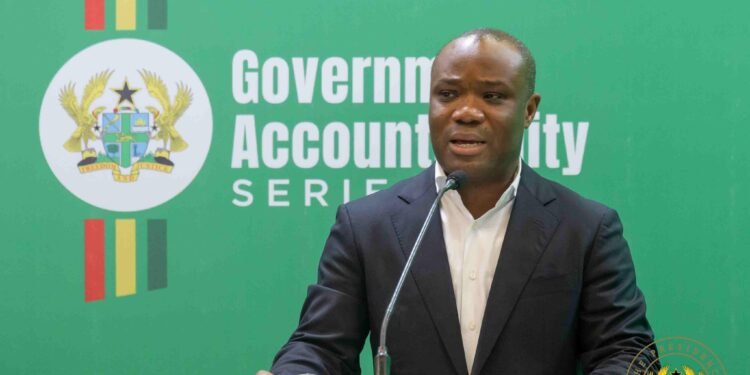
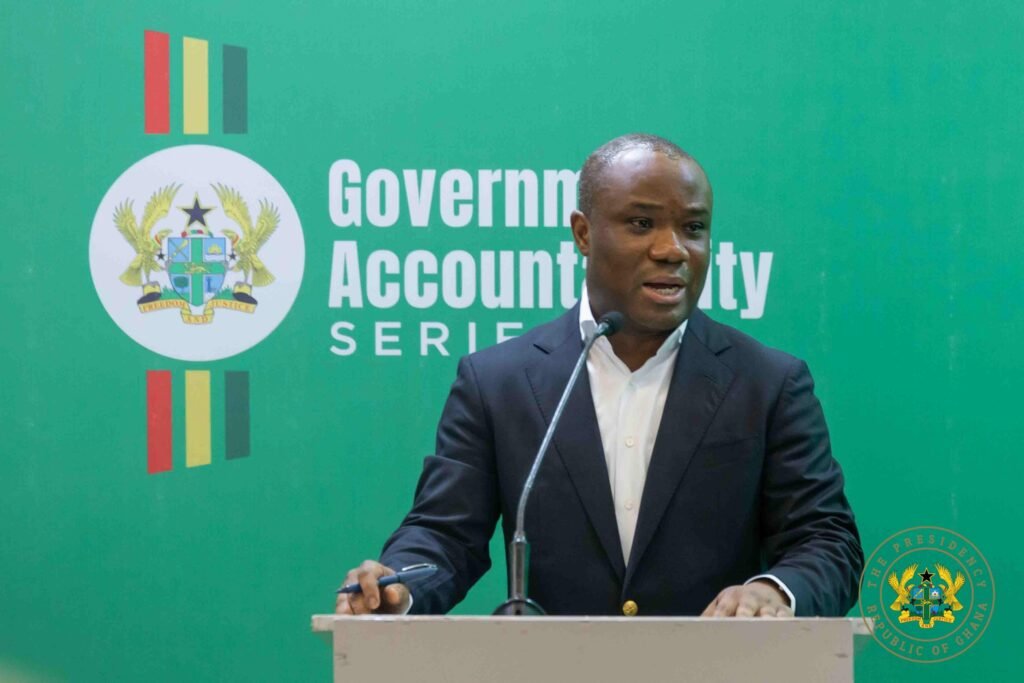
The findings were presented at the Government Accountability Series held at the Jubilee House by the Presidential Spokesperson and Minister of State in charge of Government Communications, Hon. Felix Kwakye Ofosu.
Addressing journalists, Mr Kwakye Ofosu said the committee was tasked with examining appointments, recruitments and promotions made by the previous administration in the period after the December 7, 2024 general elections.
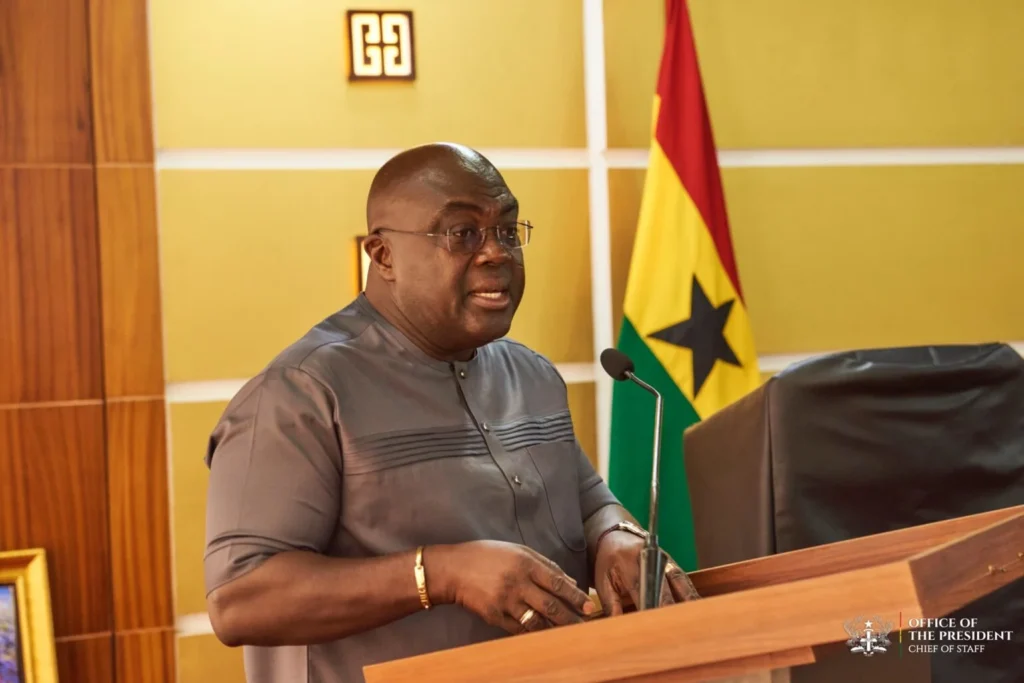
The review followed a directive issued in early 2025 by the Chief of Staff Julius Debrah, annulling public sector appointments made after the elections, amid concerns about compliance with established recruitment procedures and fiscal discipline.
“The Investigative Team set a Procedural compliance at 80%. In other words, if people met 80% of the criteria and the processes that are required to be undertaken, they could be considered to have been lawfully engaged or employed.”
Presidential Spokesperson and Minister of State in charge of Government Communications, Hon. Felix Kwakye Ofosu.
Scope and Methodology of the Review
Hon. Kwakye Ofosu explained that the investigative team conducted a detailed examination of documentation submitted by institutions and also interviewed relevant officers to verify claims.

Among the documents requested were evidence of vacancy declarations, copies of advertisements, approved schemes of service, technical clearance approvals, and appointment letters.
In total, the committee received forty three reports from institutions and individual practitioners across the public sector. Thirty six institutions appeared before the committee, spanning regulatory bodies, state owned enterprises, ministries and agencies. These included entities within the energy, transport, health, education, communications and financial sectors.
The review covered a combined total of 2,080 recruitments, appointments and promotions reported by the institutions during the hearings. Mr Kwakye Ofosu noted that this figure represented the most comprehensive audit of public sector hiring conducted in recent years.
Key Findings from the Committee
Out of the thirty six institutions that appeared before the committee, twenty eight had commenced their recruitment processes before the December 7 elections.
Thirteen institutions had already revoked appointments in compliance with the Chief of Staff’s directive, while seventeen institutions chose not to revoke appointments immediately but instead sought guidance from the Office of the President.
Sixteen of the cases reviewed were primarily payroll related rather than involving fresh recruitment. Before the committee completed its work, institutions themselves had revoked 879 appointments, promotions and recruitments.
Following its hearings and analysis, the committee recommended that 1,539 appointments, recruitments and promotions be upheld. These cases met the required procedural threshold and involved individuals who received appointment letters before December 7, 2024.
However, the committee also recommended the revocation of 541 appointments. These cases failed to meet the eighty percent compliance benchmark and involved recruitment processes that concluded after the election date, contrary to established guidelines.
“Also, the number of recruitments, appointments, and promotions recommended for revocation by the committee was lower than the number that the institutions themselves revoked in the wake of the Chief of Staff’s directive.
“As I indicated, the number was 879 in all. That’s the number of recruitments, promotions and appointments that were revoked.”
Presidential Spokesperson and Minister of State in charge of Government Communications, Hon. Felix Kwakye Ofosu.
Consideration for Vulnerable Groups
A notable aspect of the committee’s work was its treatment of vulnerable groups, particularly persons with disabilities. The Minister disclosed that in some instances, appointments that technically failed to meet procedural requirements were nevertheless granted clemency due to the severe hardship that revocation would impose.
He cited cases within the education sector where persons living with disabilities were recruited through flawed processes. Although these appointments did not fully comply with the rules, the committee recommended that the affected individuals be allowed to regularise their documentation rather than lose their livelihoods.
According to Mr Kwakye Ofosu, this approach reflected the government’s broader social responsibility to balance procedural integrity with compassion and fairness.
Implications for Governance and Public Trust
The announcement marks a critical step in resolving a contentious national issue that sparked political debate, legal challenges and labour concerns. The mass revocation of last minute appointments had drawn sharp criticism from opposition figures and labour unions, who warned of job losses and potential constitutional violations.
By upholding a majority of the appointments after an independent review, the government says it has demonstrated its commitment to due process, fairness, and accountability. Hon. Kwakye Ofosu stressed that the exercise was not driven by partisanship but by the need to protect the integrity of public sector recruitment.
He added that the findings would guide future hiring practices and reinforce the importance of adhering strictly to laid down procedures, especially during political transitions.
The government is expected to communicate formally with all affected institutions to implement the committee’s recommendations. Individuals whose appointments were revoked may still pursue legal remedies or reapply when vacancies are properly advertised.
As Ghana continues efforts to strengthen public sector governance, the outcome of the review is likely to shape discussions on political transitions, administrative continuity and employment security in the years ahead.
READ ALSO: Ghana Reopens Long-Term Domestic Bond Market