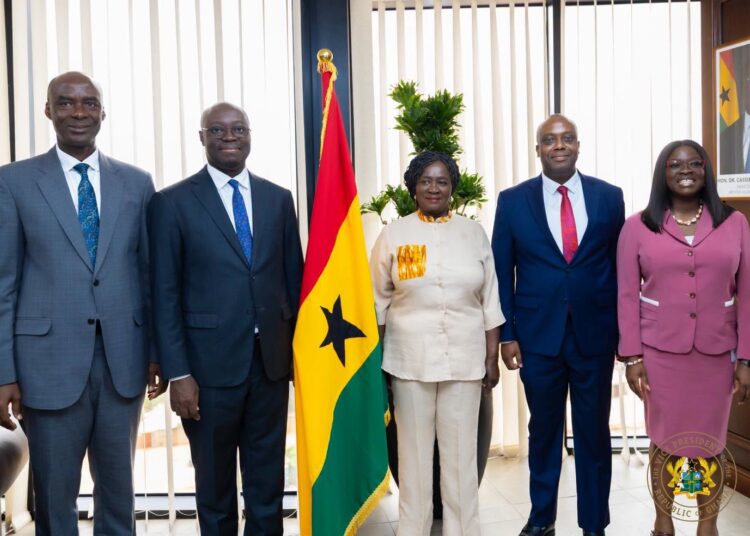
Vice President Professor Jane Naana Opoku-Agyemang has commended the Ministry of Finance for its commitment to restoring macroeconomic stability and implementing reforms aimed at placing Ghana’s economy on a more sustainable path.
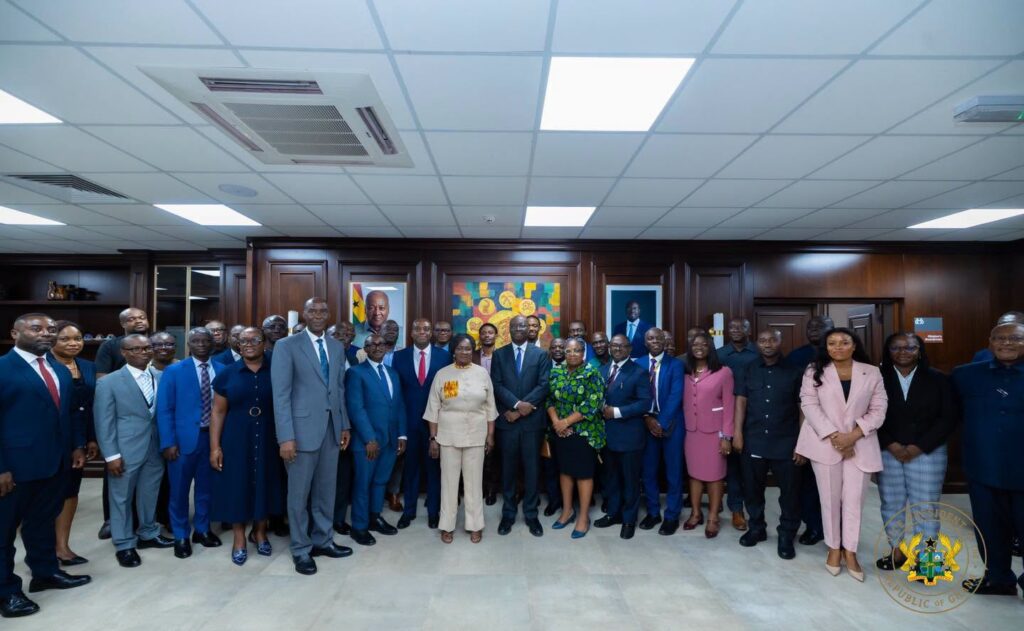
The commendation came during her working visit to the Ministry of Finance as part of a broader engagement with Ministries, Departments and Agencies to strengthen coordination between the Presidency and public institutions while assessing progress made under the government’s Reset Agenda.
The Vice President was received by the Minister for Finance, Dr. Cassiel Ato Forson, his deputy, Hon. Thomas Nyarko Ampem, the Ministry’s Chief Director, directors and members of staff.
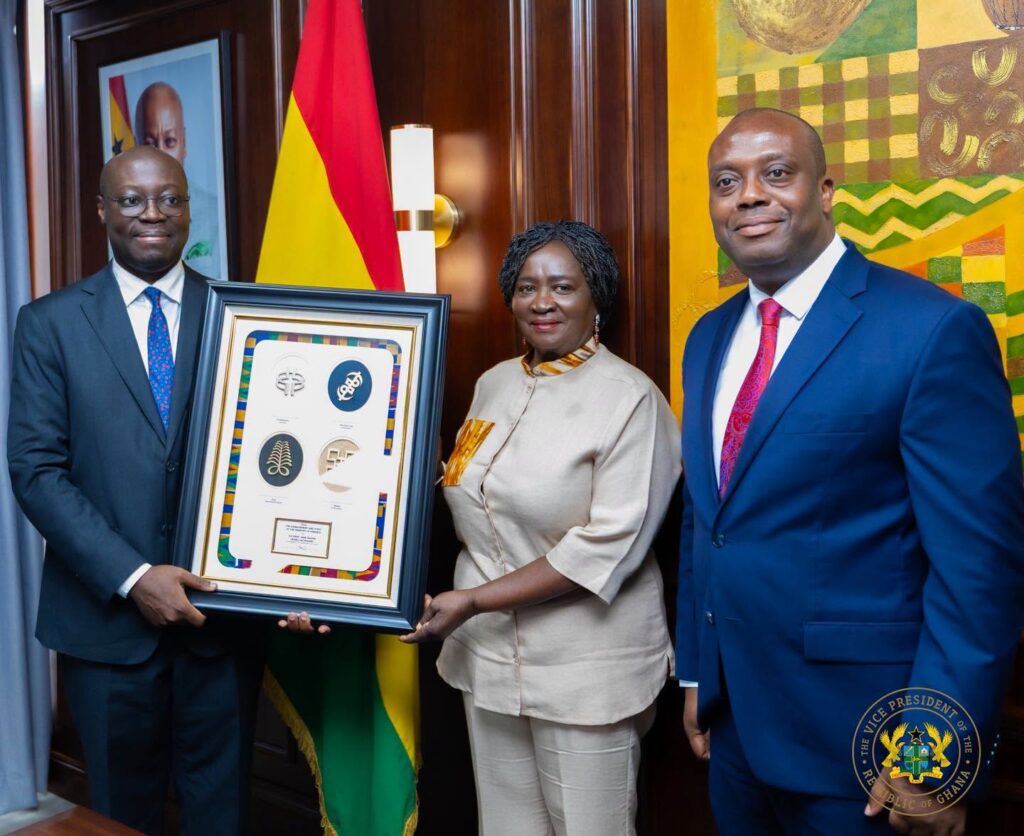
According to Professor Opoku-Agyemang, the visits are intended to deepen collaboration between the Presidency and government institutions while providing firsthand insight into the progress, challenges and support required to deliver the government’s development agenda.
“This is part of efforts to strengthen coordination between the Presidency and the Ministries, while gaining a deeper appreciation of their progress and challenges, and of the support required to effectively deliver the Government’s Reset Agenda.”
Vice President Professor Jane Naana Opoku Agyemang
Finance Ministry Outlines Economic Recovery Measures
During the meeting, officials of the Ministry of Finance briefed the Vice President on the country’s fiscal position and the reforms being implemented to stabilize the economy.
The Ministry outlined what it described as the difficult fiscal conditions inherited by the current administration and explained the measures being pursued to restore confidence in Ghana’s public finances.
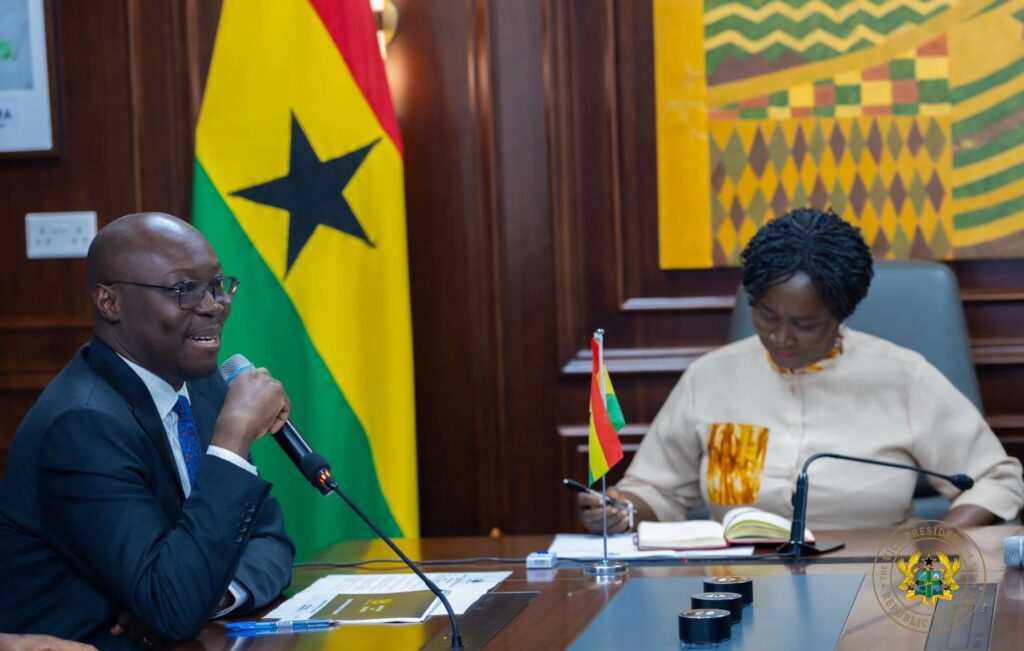
Among the key updates presented was the progress made in the country’s debt restructuring programme. Officials informed the Vice President that the government has successfully met Eurobond repayment obligations alongside other significant debt commitments, while preparations continue for substantial repayments expected in the coming years.
The Ministry also highlighted ongoing efforts to restore fiscal discipline and reduce the country’s fiscal deficit over the medium term as part of measures to place the economy on a stronger and more sustainable footing.
Professor Opoku-Agyemang noted the progress outlined by the Ministry and acknowledged the work being undertaken to improve Ghana’s macroeconomic outlook.
Reforms Drive Government’s Reset Agenda
The Vice President was also briefed on a series of legislative and institutional reforms introduced to strengthen public financial management.
According to the Ministry, these include amendments to the Public Financial Management Act and the Public Procurement Act, as well as the enactment of the Value for Money Act to improve accountability and efficiency in the use of public resources.
Officials further highlighted improvements in domestic revenue mobilization, the ongoing restructuring of COCOBOD, and the uncapping of the National Health Insurance Fund, GETFund and the Road Maintenance Trust Fund.
The Ministry also outlined significant budgetary allocations supporting flagship government programmes, including the Big Push infrastructure initiative and the operationalization of the Women’s Development Bank.
These initiatives, officials explained, are central to the government’s broader economic recovery and development strategy.
Vice President Praises Ministry Staff
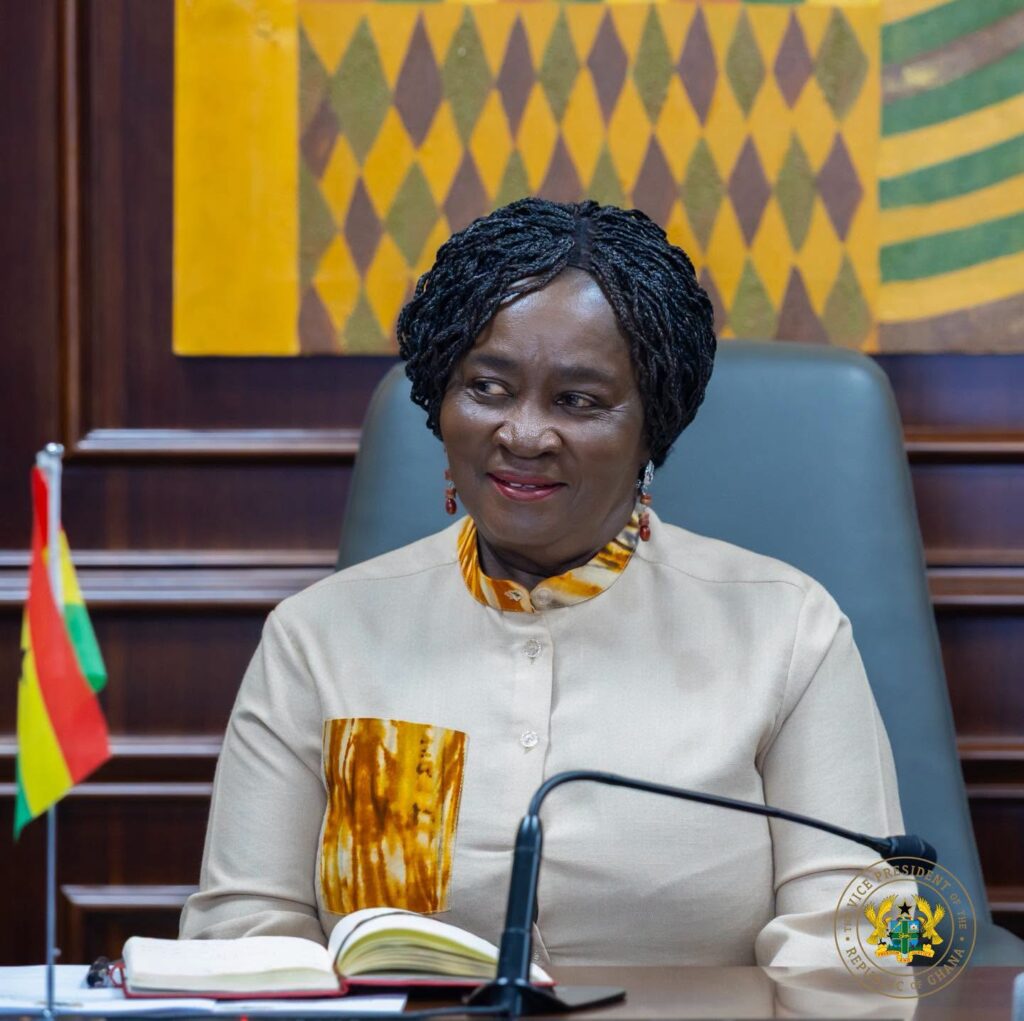
Professor Opoku-Agyemang commended the Minister for Finance, the management team and staff of the Ministry for what she described as their professionalism, discipline and dedication to public service.
“I acknowledge the dedication and professionalism of the Minister, management, and staff of the Ministry. I commend their discipline, commitment, and the reforms that are yielding positive results for the economy”.
Vice President Professor Jane Naana Opoku-Agyemang
She stressed that the work of the Ministry extends beyond policy formulation because every financial decision directly affects the daily lives of Ghanaians. According to her, prudent management of public finances remains essential to ensuring sustainable national development and maintaining public confidence in government.
“I stated that every decision made by the Ministry ultimately affects the lives of ordinary Ghanaians, and that our responsibility is to ensure that public finances are managed prudently and transparently.”
Vice President Professor Jane Naana Opoku-Agyemang
Debt Burden Underscores Need for Fiscal Discipline
The Vice President observed that Ghana’s significant debt obligations continue to consume resources that could otherwise finance critical national development projects. She said this reality reinforces the importance of maintaining the current reform programme while strengthening fiscal discipline across government.
“Resources that could otherwise finance critical development projects are instead being absorbed by the country’s significant debt obligations, underscoring the importance of staying the course on the current reform agenda”.
Vice President Professor Jane Naana Opoku Agyemang
Professor Opoku-Agyemang also called for continued emphasis on value addition and sound budgeting as key pillars for achieving long-term economic resilience.
She indicated that strengthening domestic production and ensuring efficient use of public resources will remain critical to sustaining Ghana’s economic recovery.
Recognition for Every Worker
The Vice President concluded her visit by expressing appreciation to every category of staff within the Ministry, emphasizing that effective public service depends on the collective efforts of all employees. She extended her gratitude not only to senior management but also to drivers, cleaners and other support staff whose contributions often go unnoticed.
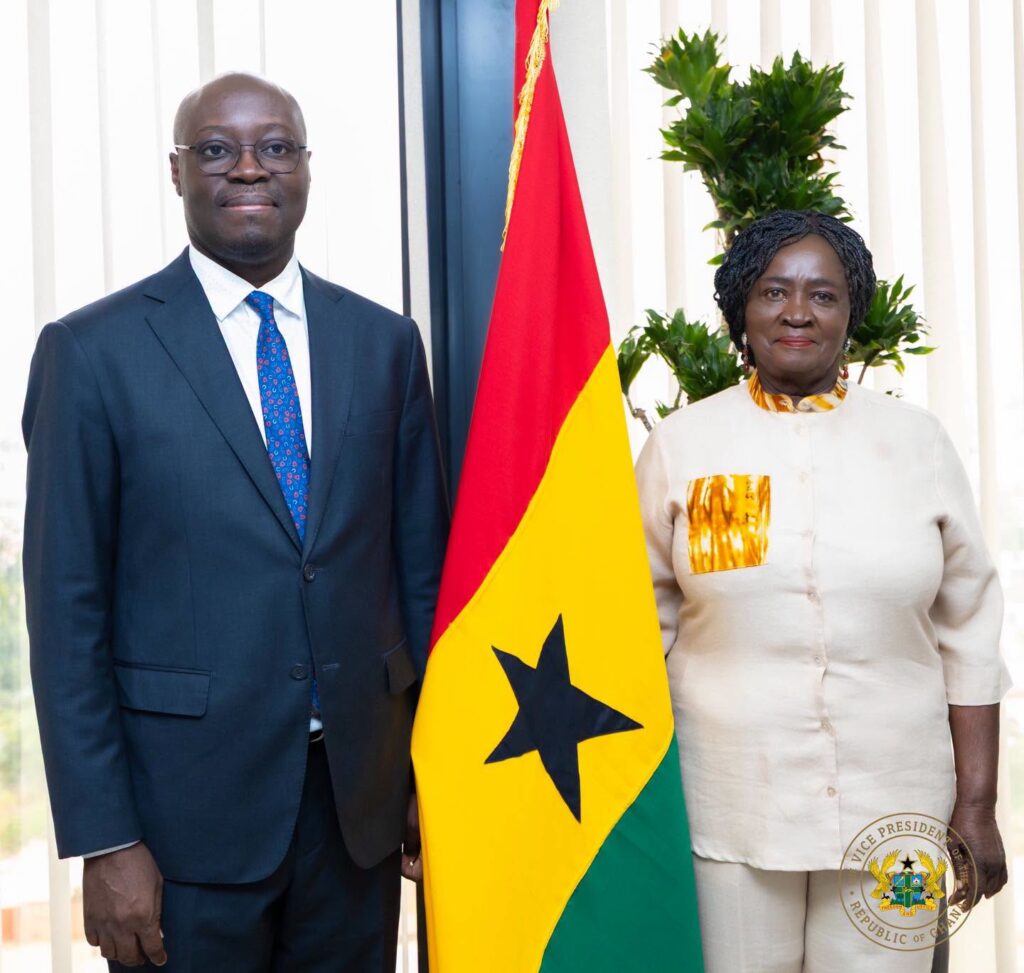
She reiterated that collaboration between the Presidency and public institutions will continue as government works to implement reforms under the Reset Agenda and strengthen Ghana’s economic foundations.
The working visit forms part of a series of engagements by the Vice President aimed at monitoring institutional performance, strengthening policy coordination and ensuring that government ministries receive the support required to effectively deliver on their mandates.
READ ALSO: Higher Borrowing Costs Loom After GRR Surge