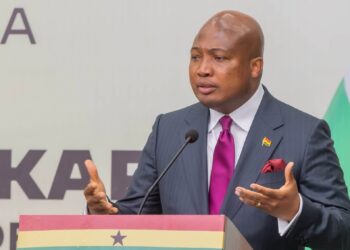
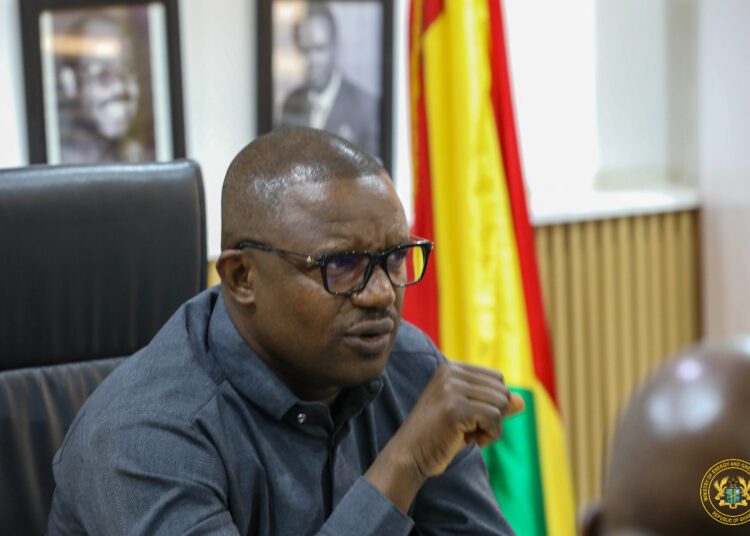
Ghana’s Minister for Energy and Green Transition, John Abdulai Jinapor, has directed the Electricity Company of Ghana (ECG) to disconnect all government agencies that fail to settle their electricity bills, in a move aimed at improving revenue collection and restoring financial discipline within the country’s power sector.
The directive forms part of broader efforts by the government to address mounting debts in the energy sector and ensure that public institutions meet their financial obligations just like other electricity consumers.
Speaking on the issue, the Minister emphasised that non-payment of electricity bills by state institutions places a heavy burden on the national power system and undermines the sustainability of energy supply.
“No institution should expect uninterrupted electricity while refusing to pay for the service,” he stated, stressing that public agencies must lead by example in complying with national financial regulations.
Mounting Debts in the Power Sector
The directive comes against the backdrop of rising debts owed to power sector institutions, including ECG and independent power producers.
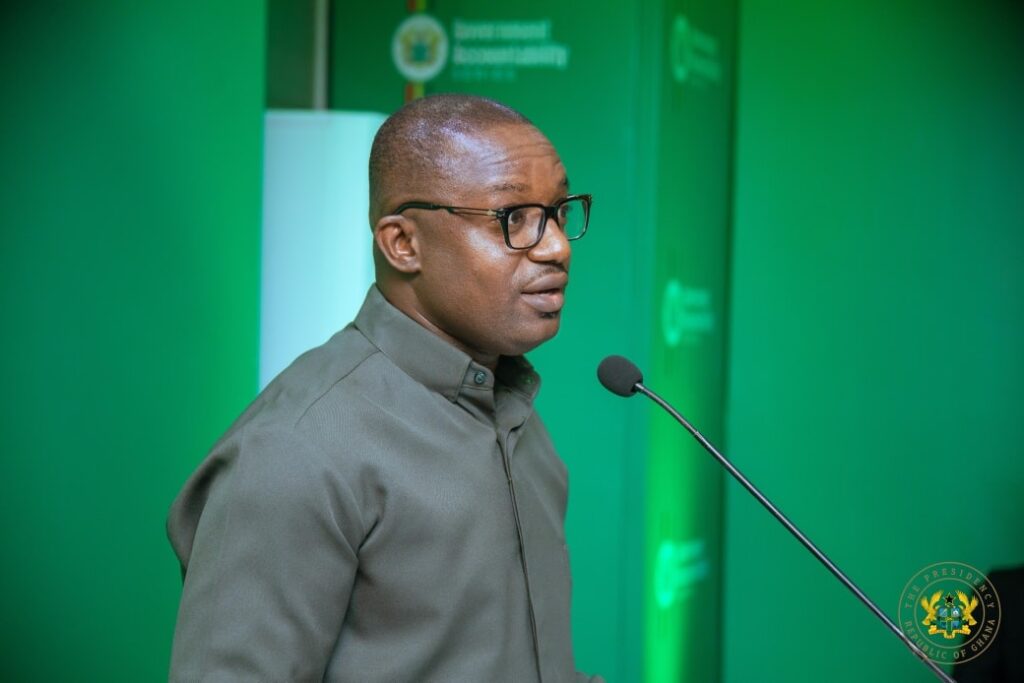
Officials have disclosed that several state institutions owe substantial sums for electricity consumption, creating financial pressure on the power distribution company and affecting its ability to meet obligations to power generators and suppliers.
For instance, Ghana Water Limited alone was reported to owe ECG approximately GH¢1 billion in unpaid electricity bills accumulated over several months.
Energy experts say such unpaid debts weaken the operational capacity of electricity distribution companies and contribute to liquidity challenges within the sector.
Exemptions for Critical National Services
While enforcing strict payment compliance, the government has also identified a limited number of strategic institutions that will be exempt from disconnection due to their essential role in national security and public welfare.
These include core operational units within institutions such as the Office of the President of Ghana, the Ministry of Defence (Ghana), the Ministry of the Interior (Ghana), the Ministry of Health (Ghana) and the Ministry of Education (Ghana).
Electricity bills for these essential facilities will be absorbed through the national budget by the Ministry of Finance (Ghana) to ensure that critical services continue without interruption.

However, the exemptions are narrowly defined and do not extend to non-essential facilities such as staff residences, dormitories or recreational areas within these institutions.
Strengthening Revenue Collection
The Minister’s directive is also part of a wider reform agenda within the power sector aimed at improving revenue collection and reducing energy losses.
Government officials have previously raised concerns about illegal electricity connections, faulty metering systems and non-payment of bills, all of which contribute to financial challenges facing the sector.
To address these issues, authorities have introduced programmes such as smart meter installations and improved billing systems to ensure transparency and efficiency in electricity distribution.
ECG has also been encouraged to intensify its monitoring and enforcement operations, including the disconnection of customers who fail to honour payment obligations.
Energy sector analysts say the move is intended to ensure fairness in electricity consumption and billing. For years, some observers have argued that ordinary consumers and private businesses often bear the burden of paying electricity bills while certain public institutions accumulate debts without consequence.
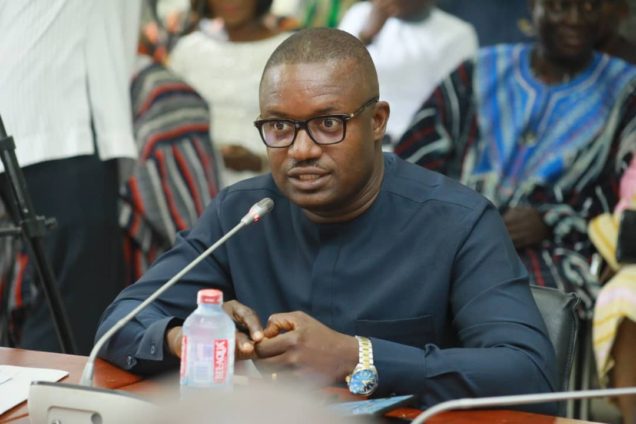
By enforcing payment compliance across all sectors, the government hopes to create a culture of accountability and protect the financial stability of the power sector. “The private sector and individual consumers should not be the only ones carrying the burden of electricity payments,” the Energy Minister noted.
Broader Energy Sector Reforms
The directive comes at a time when the government is implementing broader reforms to stabilise the energy sector and improve power distribution nationwide.
Authorities have been working to address legacy debts owed to independent power producers and to strengthen operational efficiency within state-owned utilities.
As part of these reforms, the government has also explored options for increased private sector participation in certain operational areas of ECG, particularly in billing and revenue collection systems.
Officials insist that such measures are not aimed at privatising the electricity distribution company but rather at improving efficiency and service delivery.
With the latest directive, government agencies across the country are expected to prioritise the settlement of outstanding electricity bills to avoid service disruptions.
Energy sector stakeholders say the success of the policy will depend largely on consistent enforcement and coordination between government ministries and power distribution companies.
For the Ministry of Energy, however, the message is clear: financial discipline within the public sector is essential to maintaining a stable and sustainable electricity supply for all Ghanaians.
READ ALSO: Republic of Congo To Head To Polls