The Government of Ghana has rejected claims amounting to GH¢8.1 billion from a total of GH¢68.7 billion in outstanding arrears submitted for validation, following a comprehensive audit conducted into the country’s unpaid obligations to contractors and suppliers.
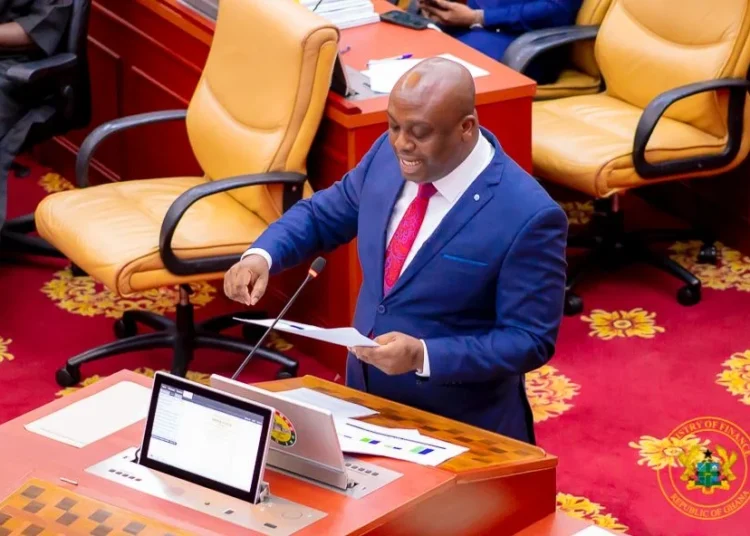
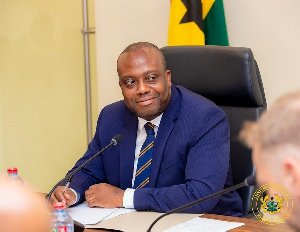
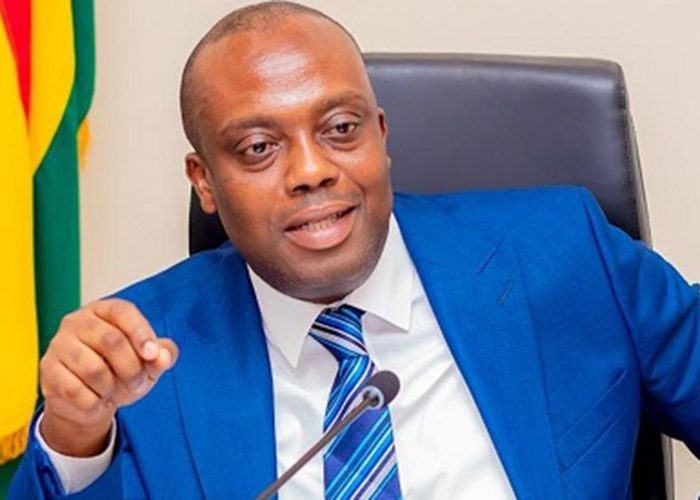
The findings were presented in Parliament by the Deputy Minister for Finance, Hon. Thomas Ampem Nyarko, on behalf of the Finance Minister, Dr. Cassiel Ato Forson, as part of the government’s commitment to strengthen financial accountability and address weaknesses within the public financial management system.
Addressing the House, the Deputy Minister described the audit results as evidence of deep structural problems in the handling of government payment commitments.
“Right Honourable Speaker, I am grateful for the opportunity to make this statement on a matter that is very important to this Republic. This is a report on the systemic plunder and abuse of the public financial management system.”
Deputy Minister for Finance, Hon. Thomas Ampem Nyarko
According to the Deputy Minister, the findings demonstrate the urgent need for reforms to protect the national economy and restore discipline in the management of public funds.
Audit Conducted by Ghana Audit Service and International Firms
The verification exercise was conducted by the Ghana Audit Service in collaboration with international audit firms Ernst & Young and PricewaterhouseCoopers.
The audit focused on government arrears and financial commitments accumulated as of the end of 2024. The exercise examined unpaid interim payment certificates, invoices and bank transfer advisers submitted by ministries, departments and agencies for settlement.
In total, claims amounting to GH¢68.7 billion were presented to the Ministry of Finance for validation. Out of this amount, GH¢50.5 billion consisted of outstanding interim payment certificates and invoices submitted by contractors and suppliers.
The remaining GH¢18.3 billion represented bank transfer advisers processed through government payment systems. The Deputy Minister explained that the audit was intended to verify the authenticity of the claims and ensure that only legitimate obligations are recognised for payment.
Validated Claims and Rejected Amounts
Following the verification process, auditors concluded that GH¢45.4 billion of the submitted claims were valid and eligible for payment. However, GH¢8.1 billion was rejected after investigators identified multiple irregularities in the documentation supporting the claims.
These irregularities included unsupported payment requests, duplicated invoices, overstated claims, falsified documents and requests for payment for work that auditors determined had not been carried out.
According to the Deputy Minister, the rejected amount included approximately GH¢1 billion in bank transfer advisers that had already passed through several stages of the government payment process.
He revealed that these payments would likely have been completed if the Ministry of Finance had not taken steps earlier in 2025 to halt certain transactions pending verification. “This one billion Ghana cedis would have been paid if the Ministry of Finance had not made a bold decision to stop payment in January 2025,” he told Parliament.
Irregularities in Contractor and Supplier Claims
A large portion of the rejected claims was linked to interim payment certificates and invoices submitted by contractors and suppliers through ministries and government agencies.
The audit found that GH¢7.1 billion in such claims could not be justified due to serious deficiencies in supporting documentation. Auditors cited multiple issues, including missing contracts, recycled invoices, duplicated payment requests, and exaggerated cost estimates.

Some claims were also rejected because the audit team found no evidence that the work for which payment had been requested had actually been completed. These findings have raised concerns about weaknesses in the internal financial control systems within certain government institutions.
In addition to the amounts already validated and rejected, the Deputy Minister for Finance disclosed that auditors indicated that a further GH¢13.3 billion in claims is still undergoing verification.
These outstanding claims have not yet been confirmed due to incomplete documentation, lack of third party confirmation or the absence of relevant contractual agreements.
Officials said the verification process will continue until all claims have been properly assessed and validated. The Deputy Minister emphasized that the government remains committed to ensuring that only legitimate financial obligations are settled.
Efforts to Strengthen Public Financial Management
The arrears audit forms part of broader efforts by the Ministry of Finance under the Mahama administration to improve transparency and strengthen oversight of government spending.
Officials believe the exercise will help identify weaknesses in public financial management procedures while preventing further accumulation of questionable arrears.
The government has indicated that the findings will also inform future reforms aimed at tightening approval processes for government contracts and payment certifications.
According to the Deputy Minister, the scale of irregularities uncovered during the audit highlights the importance of stronger accountability measures across ministries, departments and agencies.
He told Parliament that safeguarding public funds must remain a priority for all public institutions responsible for managing government resources.
The government is expected to continue reviewing its financial commitments as part of wider fiscal reforms aimed at restoring discipline in public expenditure and protecting the country’s economic stability.
READ ALSO: GFZA Champions Female Leadership for Industrial Growth