
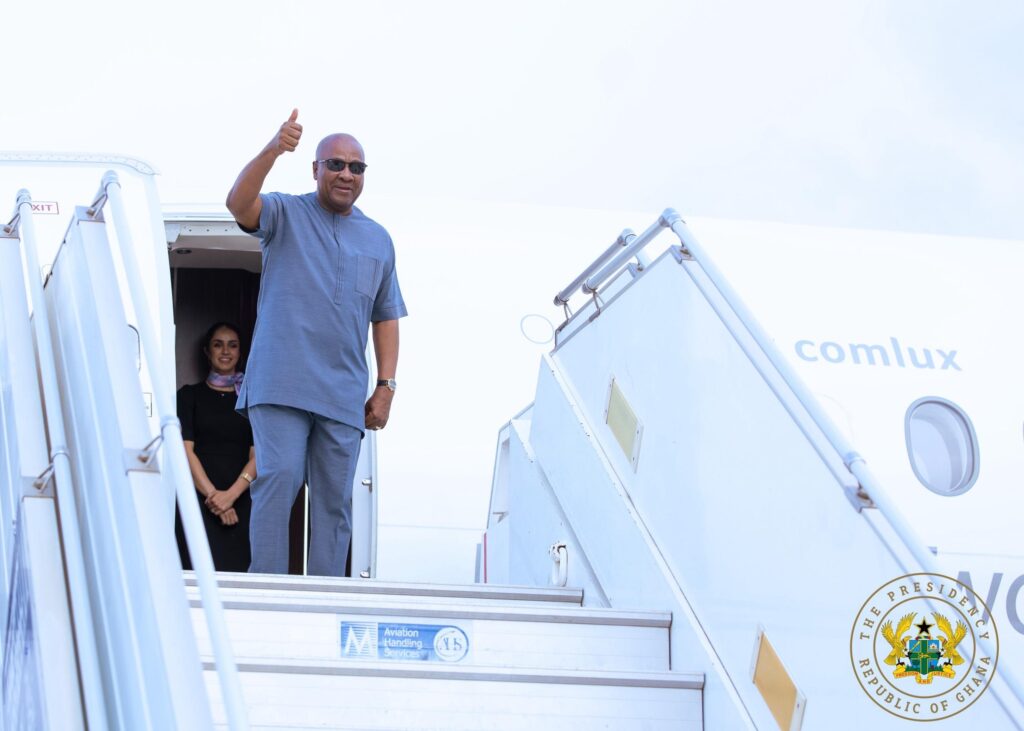
The Presidency has confirmed that Ghana is expected to acquire additional aircraft for presidential travel by November 2026 as part of efforts to strengthen the country’s state aviation capacity and reduce reliance on temporary arrangements.
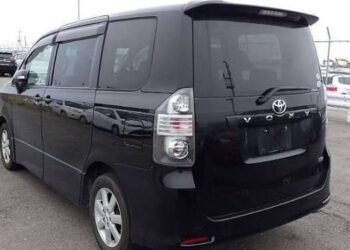
The clarification follows recent public debate over the use of an aircraft belonging to the brother of President John Dramani Mahama for official travel. Some citizens raised concerns about whether such an arrangement could create perceptions of a conflict of interest.
Responding to the concerns in a public commentary, Executive Secretary to the President, Dr Callistus Mahama, said the discussion reflects the importance of public scrutiny in a democratic society.
He noted that citizens are justified in questioning decisions involving public authority, especially where issues of transparency and accountability arise. According to him, such questions should not be dismissed but rather examined carefully in order to strengthen public trust in governance.
Balancing Security, Cost and Practicality
Dr Callistus Mahama explained that presidential travel involves complex considerations that extend far beyond ordinary transportation. When a sitting head of state travels, issues such as security protocols, diplomatic engagements and communication systems must all be accommodated.

He indicated that these responsibilities require reliable aircraft capable of supporting official functions even while the President is outside the country.
“What the public often sees is the aircraft taking off or landing. What is less visible is the difficult balance that must constantly be struck between practicality, security, cost, and national dignity when a President travels.”
Dr Calliustus Mahama, Executive Secretary to the President of Ghana
The Presidency noted that Ghana’s current state aircraft were not originally acquired for long distance diplomatic missions. Some of the platforms available to the government face operational limitations that make certain intercontinental journeys difficult.
These constraints have occasionally required temporary travel arrangements while the government works to rebuild the country’s aviation capacity.
Commercial Travel Not Always Feasible
The commentary also addressed suggestions that the President could rely entirely on commercial airlines when travelling abroad. According to the Presidency, such an option is not always practical for a sitting head of state.
Long-haul diplomatic missions often involve tightly scheduled engagements, high-level security requirements and the need for uninterrupted communication with government officials back home.
Commercial travel may therefore introduce logistical challenges that could limit the President’s ability to function effectively while in transit. Despite these operational realities, Dr Callistus Mahama acknowledged that public perception remains an important factor in governance.
He stressed that even when decisions are taken for practical reasons, leaders must remain mindful of how those decisions are viewed by citizens.
Leadership and the Reset Agenda
The issue of presidential travel, he said, is closely linked to the broader governance philosophy championed by President Mahama through what he describes as the Reset Agenda.
According to the Presidency, the initiative is intended not only to implement policy reforms but also to rebuild public confidence in state institutions. Dr Callistus Mahama said the President frequently reflects on the importance of restraint and responsibility in public office.
During discussions on travel arrangements for official engagements, the President has reportedly emphasised that decisions should prioritise national interest rather than personal convenience.
On one occasion, he asked officials reviewing travel options a direct question: “What is the safest and most responsible option for the country right now?” The Executive Secretary said the President also remains conscious of the economic pressures facing citizens and often raises concerns about the cost of governance.
“Public office must never become comfortable,” Dr Callistus Mahama quoted the President during a discussion on government expenditure. “The moment it does, you stop hearing the people.”

Retooling State Aviation Capacity
Authorities say the long term solution lies in rebuilding Ghana’s state aviation capability, particularly within the security services. The Ghana Armed Forces plays a central role in managing state aircraft used for presidential and government travel.
As part of ongoing reforms, the Armed Forces are expected to expand and modernise their aviation fleet. Dr Callistus Mahama indicated that by November 2026 the country should have additional aircraft available, including one dedicated specifically for presidential travel.
Once these aircraft are delivered, Ghana will be able to rely fully on its own state assets for transporting the head of state during official missions. This development is expected to eliminate the need for temporary arrangements that have recently attracted public attention.
The Presidency emphasised that restoring operational capacity across state institutions is a gradual process. Many of the systems currently undergoing reform were inherited in conditions that require careful rebuilding and re-equipment.
According to Dr Callistus Mahama, improving the infrastructure that supports presidential travel is only one element of a broader effort to strengthen state institutions under the current administration. He noted that while some changes may be visible immediately, others will take longer to implement.
Public Scrutiny and Democratic Accountability
The Presidency concluded that the ongoing public discussion about presidential travel reflects the healthy functioning of democratic accountability. Citizens, Dr Callistus Mahama said, have the right to question government decisions and expect clarity from those who hold public office.

At the same time, national conversations must recognise the practical realities involved in managing state responsibilities. In the coming months, as the country expands its aviation fleet and strengthens institutional capacity, the government believes Ghana will move toward a more stable and self-reliant arrangement for presidential travel.
Until then, the Presidency says engagement between leaders and citizens remains essential in sustaining public trust.
READ ALSO: Chamber of Mines Engages Parliament on Resource Governance