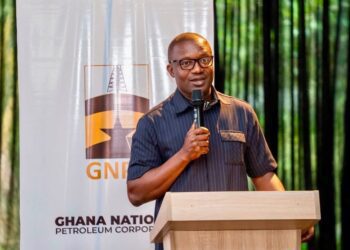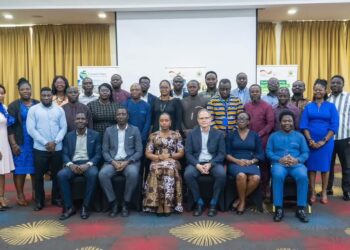

Ghana Chamber of Mines has launched a specialized two-day Masterclass on Resource Governance in Koforidua in the Eastern Region, specifically designed to equip the Parliamentary Select Committees on Lands and Natural Resources, as well as Environment, Science, and Technology, with high-level technical expertise.
This strategic intervention focuses on bridging the knowledge gap between legislative oversight and the intricate operational realities of the mining industry, ensuring that those responsible for drafting and approving mineral laws are well-versed in the sector’s complexities.
By targeting the very heart of Ghana’s legislative engine, the Chamber aims to foster a more nuanced approach to mineral policy that balances the immediate needs of the state with the long-term sustainability of the extractive sector.
“The masterclass seeks to strengthen Parliament’s oversight of the mining sector by deepening policymakers’ understanding of the mining value chain and governance frameworks. It also promotes evidence-based policymaking and responsible resource governance to ensure mining contributes to long-term national prosperity. This initiative is vital for safeguarding Ghana’s mineral resources for current and future generations.”
Ghana Chamber of Mine

Centered on the theme, “Parliamentary Oversight for Transgenerational Equity: Ensuring Mining Wealth Translates into National Prosperity,” the program expands on the necessity of aligning legislative frameworks with the global mining value chain.
Participants are being immersed in sessions covering governance frameworks and the critical role of the legislature in safeguarding Ghana’s vast mineral endowment against volatile market trends.
This engagement is crucial as it provides a platform for policymakers to explore how responsible resource management can be institutionalized through law, ensuring that the wealth generated from today’s extraction creates a “lasting legacy for the future,” rather than just temporary fiscal relief.
Strengthening Legislative Oversight Through Technical Depth
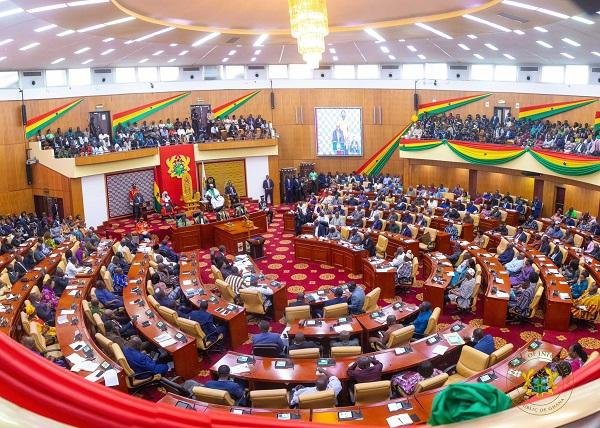
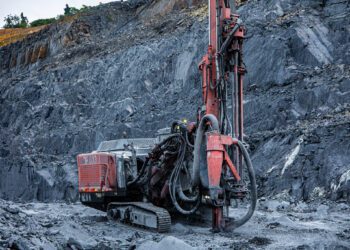
The engagement enlightens Parliament by providing lawmakers with a granular view of the “life–of-mine” cycle, from initial exploration and the acquisition of mineral rights to the eventual decommissioning of mine sites.
By understanding the high-risk, high-capital nature of mining where investments often take decades to yield returns Parliamentarians can better evaluate the impact of proposed fiscal changes, such as sliding-scale royalties or the revision of stability agreements.
This technical depth allows for more rigorous scrutiny of contracts, ensuring that the State’s interests are protected without stifling the “investor confidence” that drives industry growth. Legislative oversight moves beyond mere rubber-stamping to a proactive role where MPs can identify potential regulatory bottlenecks before they impede national progress.
Fostering Transgenerational Equity and National Prosperity
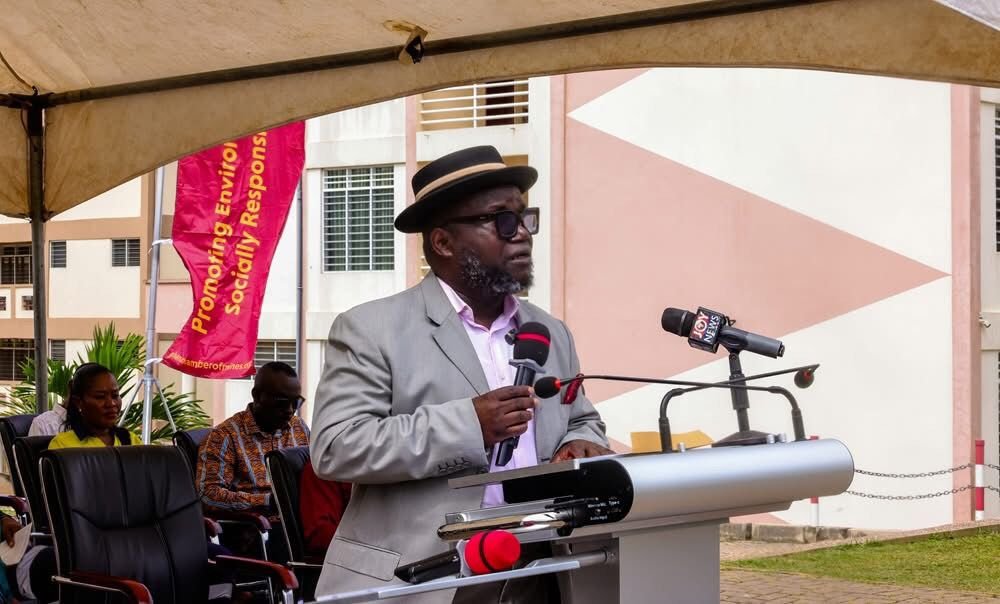
This masterclass directly benefits the country’s mining industry by shifting the policy narrative toward “transgenerational equity,” which prioritizes long-term economic stability over short-cycle revenue collection.
When Parliamentarians are enlightened on the importance of sustainable mineral development, they are more likely to support policies that encourage local content participation and value addition, such as domestic gold refining.
This shift ensures that the industry does not operate in a silo but acts as a catalyst for broader industrialization.
As lawmakers become more adept at balancing “fiscal competitiveness with national benefit,” Ghana solidifies its position as a Tier-1 mining jurisdiction, attracting top-tier global capital that adheres to strict Environmental, Social, and Governance (ESG) standards.
Driving Evidence-Based Policy for a Sustainable Future
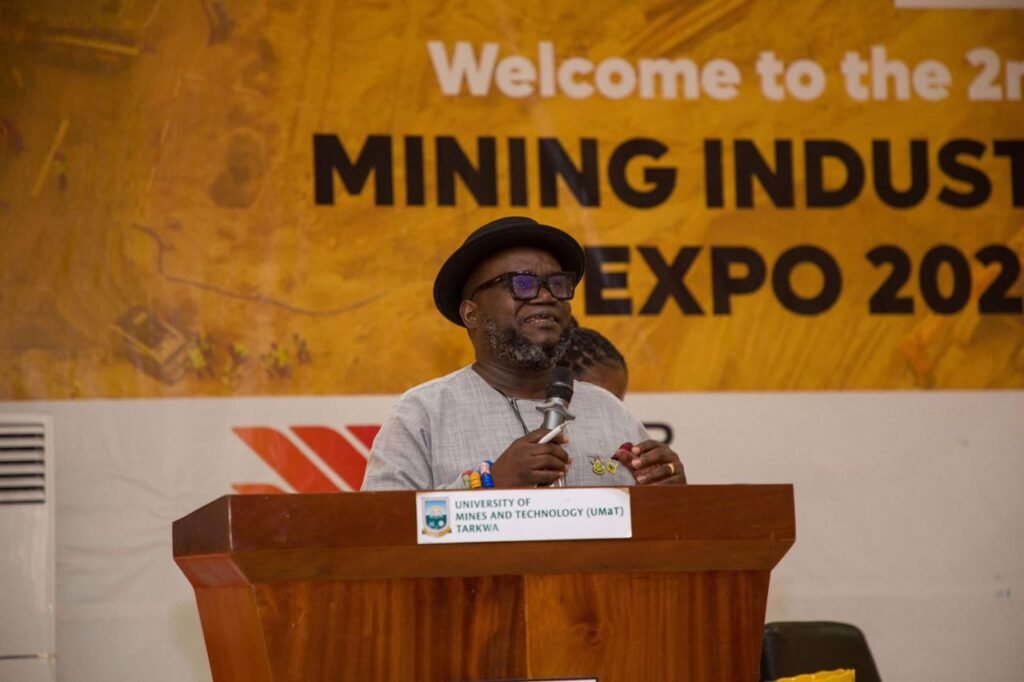
The long-term dividend for Ghana lies in the transition toward evidence-based policymaking, where legislative decisions are informed by data and global best practices rather than political expediency.
By equipping the Select Committees with these tools, the Chamber of Mines is helping to build a “predictable legal and political environment” where contracts are respected and environmental regulations are strictly enforced.
This collaboration ensures that mining wealth is captured through efficient taxation and reinvested into critical infrastructure, ultimately transforming mineral “eligibility into national selection.”
As the masterclass concludes, the expectation is a more collaborative relationship between the regulator and the regulated, anchored in the shared goal of making mining the bedrock of Ghana’s socio-economic transformation.
READ ALSO: Unpacking How Africans Feel About Military Regimes