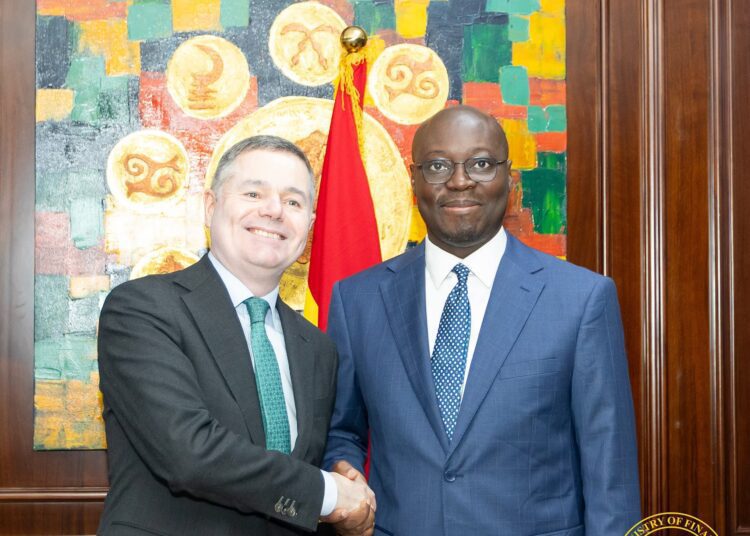
The Managing Director and Chief Knowledge Officer of the World Bank, Paschal Donohoe, has praised Ghana’s recent economic progress under the leadership of Finance Minister Dr. Cassiel Ato Forson, describing the improvements in the country’s national finances as notable.
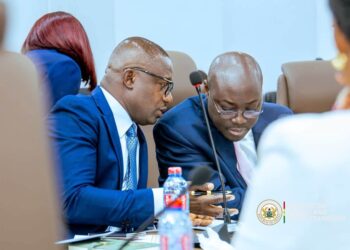
Mr Donohoe made the remarks during a meeting with the Finance Minister in Accra as part of his first official visit to Africa. The discussions focused on Ghana’s economic transformation agenda and the next stage of reforms aimed at sustaining growth and improving opportunities for citizens.
The meeting also explored areas of continued cooperation between Ghana and the World Bank as the country works to strengthen its economic recovery. Mr Donohoe acknowledged the government’s efforts to stabilise the economy and restore confidence in public financial management.

Government Focused on Economic Reset
During the meeting, Dr Forson explained that the government had spent the past year working to reset the economy and position it on a more sustainable path. He indicated that the focus of the government’s economic strategy has been to rebuild fiscal stability while laying the foundation for long term growth.
According to the Finance Minister, the government has implemented a number of measures aimed at improving the management of public finances and strengthening macroeconomic stability.
Dr Forson said the reforms are part of a broader effort to ensure that the economy becomes more resilient and capable of supporting development in the years ahead. He emphasised that the progress achieved so far reflects deliberate policy choices designed to restore order to the country’s financial system.
Youth Unemployment Remains Major Challenge
Despite the improvements in fiscal stability, the Finance Minister noted that unemployment remains one of the most pressing challenges facing the country, particularly among young people.

Dr Forson explained that Ghana’s youthful population continues to grow rapidly, creating increasing demand for jobs and economic opportunities. He pointed out that the public sector alone cannot provide enough employment opportunities to absorb the number of young people entering the labour market each year.
This situation, he said, makes it necessary for governments to adopt policies that encourage private sector expansion and promote job creation across the economy. According to him, addressing youth unemployment remains central to the government’s broader economic transformation agenda.
Dr Forson told the World Bank Managing Director that the government is putting in place a range of policies and programmes designed to expand employment opportunities. These initiatives are expected to support investment, promote entrepreneurship and strengthen key sectors that can drive economic growth.
He explained that creating sustainable employment opportunities requires coordinated policy action aimed at stimulating economic activity while encouraging innovation and enterprise development.
The Finance Minister added that the government’s goal is to ensure that economic reforms translate into tangible improvements in the lives of citizens, particularly young people seeking employment.
He emphasised that the country’s long term development strategy must focus on inclusive growth that provides opportunities for all segments of society.
World Bank Reaffirms Support for Ghana
Mr Donohoe congratulated Dr Forson on the progress made in improving Ghana’s national finances and reaffirmed the World Bank’s commitment to supporting the country’s development efforts.
He noted that the institution remains ready to work closely with Ghana as it pursues policies aimed at strengthening economic growth and improving living standards.

As part of this support, the World Bank plans to undertake a Jobs and Growth Analysis to help identify sectors with the potential to create employment and drive long term economic expansion.
Mr Donohoe explained that the initiative will provide important insights that can guide policy decisions aimed at addressing unemployment while supporting sustainable growth. According to him, the analysis will help identify new opportunities that can contribute to Ghana’s economic transformation.
Partnership for Long Term Development
Dr Forson welcomed the continued collaboration with the World Bank and expressed appreciation for the institution’s support for Ghana’s economic agenda.
He said partnerships with international development organisations remain important as the country works to create jobs, expand opportunities and strengthen its economy.
The Finance Minister noted that the cooperation between Ghana and the World Bank will be essential in supporting policies that promote growth while addressing key development challenges.

Both officials expressed optimism that the partnership will help Ghana build a more stable and prosperous economy capable of meeting the needs of its growing population.
Mr Donohoe’s visit forms part of broader engagements with policymakers across Africa aimed at strengthening collaboration on development priorities, economic reforms and strategies for sustainable growth.
READ ALSO: Prof. Berchie Rallies Media to Shield Ghana’s Seas