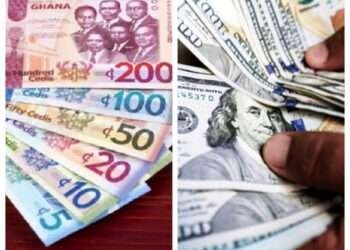
The Bank of Ghana (BoG) is widely expected to continue its monetary easing cycle as policymakers weigh improving domestic economic conditions against intensifying global uncertainties.
Market analysts predict that the central bank could reduce its benchmark policy rate by about 150 basis points, potentially bringing it down to 14 percent at the next policy review meeting.
This anticipated move follows the Monetary Policy Committee’s earlier decision in January 2026 to lower the rate to 15.5 percent from 18 percent. That cut marked a significant shift toward supporting economic recovery after a prolonged period of tight monetary policy aimed at stabilizing inflation and restoring macroeconomic confidence.
Fresh projections suggest the easing momentum is not over. Instead, it may deepen as price pressures cool faster than previously forecast and economic growth gathers pace.
Real Policy Rate Signals Room for Cuts
According to analysts at IC Research, Ghana’s real policy rate has risen substantially due to the rapid decline in inflation. With the nominal policy rate currently at 15.5 percent and inflation easing sharply, the real policy rate is now estimated at 12.2 percent.
This level is considered significantly high in real terms and signals that monetary conditions remain tight despite earlier rate reductions. A high real policy rate typically constrains borrowing and private sector expansion, making a strong case for further easing to stimulate investment and consumption.
IC Research notes that the current disinflation trend provides policymakers with enough room to reduce rates without immediately jeopardizing price stability. Lower borrowing costs could energize businesses, encourage credit expansion, and reinforce Ghana’s growth momentum.
Caution Amid Global Headwinds
Despite the apparent policy space, analysts say the central bank is unlikely to act aggressively. External risks remain elevated, particularly geopolitical tensions that continue to disrupt global supply chains and energy markets.
Rising energy prices pose renewed inflationary threats for import-dependent economies like Ghana. At the same time, the strengthening US dollar increases external financing costs and places pressure on emerging market currencies.
IC Research explains that while the macroeconomic data supports deeper easing, policymakers are expected to proceed carefully.
“While this signals vast scope for deeper cut, we believe the MPC will favour caution amidst the volatile geopolitical risk events, especially as energy prices surge and the US Dollar strengthens.”
IC Research
The research house added that authorities are likely to maintain a disciplined stance to protect macroeconomic stability gains achieved over the past year.

A Balanced Rate Cut Strategy
Rather than a sharp reduction, analysts expect a measured and calibrated move. IC Research projects that the upcoming decision could fall within a 100 to 200 basis points range, with a stronger likelihood of a 150 basis points cut.
“We thus expect the authorities to sustain the preference for double digit real policy rate with a rate cut bias, pegging our anticipated cut in the policy rate at between 100 to 200 basis points, with a leaning towards 150 basis points cut to 14.0 percent,” the report noted.
Such a decision would signal continuity in the central bank’s easing stance while reinforcing its commitment to prudence. Maintaining a double digit real policy rate helps anchor investor confidence and preserves the credibility of Ghana’s monetary framework.
Macroeconomic Conditions Show Improvement
The expected policy move is underpinned by notable improvements in Ghana’s macroeconomic environment. Members of the Monetary Policy Committee have acknowledged significant progress across key indicators.
Tight monetary policy over the past two years has played a major role in curbing inflationary pressures. This effort was complemented by fiscal consolidation measures that reduced budget imbalances and strengthened public financial management.
Additionally, Ghana has recorded a substantial build up in foreign exchange reserves, providing a stronger buffer against external shocks and currency volatility.
These gains have created a more stable foundation for monetary easing.
Inflation Falls Faster Than Expected
One of the most compelling reasons for further rate cuts is the pace of disinflation. Consumer price growth has slowed more rapidly than policymakers initially projected, easing pressure on households and businesses.
Equally important, inflation expectations remain well anchored. Stable expectations reduce the risk that temporary price movements will trigger sustained inflation cycles.
With price stability improving and output expanding, the central bank appears better positioned to shift from crisis control to growth support.
Growth Momentum Strengthens
Economic activity is also showing renewed resilience. Improved business confidence, recovering private sector activity, and stronger external sector performance are supporting expansion across key industries.
Lower interest rates could amplify this momentum by reducing financing costs for firms and households. This would support capital investment, job creation, and broader economic recovery.
The expected policy adjustment therefore represents more than a technical rate decision. It reflects a strategic effort to balance stability with growth.
Outlook for Monetary Policy
The Bank of Ghana’s policy direction will likely remain data driven. Policymakers are expected to monitor inflation trends, exchange rate dynamics, and global economic developments closely.
While the easing cycle appears set to continue, the pace will depend on how external risks evolve. Any sharp resurgence in inflation or financial market volatility could prompt a pause.
In the interim, improving domestic fundamentals and easing price pressures have strengthened the case for another rate reduction.
If implemented, the move would reinforce confidence in Ghana’s recovery path while signaling the central bank’s readiness to adapt policy to changing economic realities.
READ ALSO: Appeal Court Strikes Out Stay Application in Charles Bissue Trial