Clinics in Sudan are on the brink of running out of essential medicines. Save the Children has warned that shipments are delayed due to disruptions in global supply chains caused by the escalating U.S.-Israeli war on Iran.
Closed airspace and halted shipping through the Strait of Hormuz have stranded $600,000 worth of critical medicines in Dubai, leaving clinics serving hundreds of thousands of patients at risk.
According to the NGO’s Global Director of Supply Chain Safety, Willem Zuidema, “approximately 90 government-run clinics rely on Save the Children’s supply of medicines, vaccines, and nutritional treatments.” “These facilities serve roughly 400,000 people, and there are no alternative sources of medical supplies within Sudan,” Zuidema added.
Sudan’s instability has resulted in one of the world’s worst humanitarian catastrophes.
World Health Organization (WHO) reports indicate that over 20 million people require medical aid, and 21 million are in desperate need of support.
“Nearly three years of continuous violence, restricted access, and reduced funding have left an estimated 33.7 million people in need of humanitarian aid this year alone. The health system has been severely impacted by ongoing fighting, increasingly deadly attacks on medical facilities, mass displacement, shortages of essential supplies, and a lack of trained health personnel and funding.”
World Health Organization
Despite sustained efforts by WHO and its partners to restore and strengthen health services across the country, more than one-third of health facilities remain nonfunctional, leaving millions without essential, lifesaving care.
The existing life-saving supply chain by the NGO, Save the Children, has also been disrupted by the intensifying U.S.-Israeli conflict with Iran, creating a serious humanitarian disaster in Sudan.
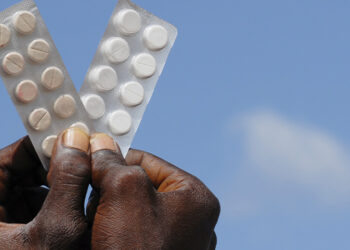
Government-run clinics, serving approximately 400,000 patients across Sudan, depend almost entirely on these deliveries for antibiotics, antimalarial, pain relief, nutritional treatments, vaccines, and pediatric injections.
With no domestic alternatives available, the supply delay could force hospitals and clinics to limit care, threatening the health of thousands. “We have a couple of weeks to do this rerouting before the country’s stocks run out. The clock is ticking,” Zuidema said, adding that once buffer stocks are exhausted, patients would not be able to access basic healthcare support.
The conflict in the Middle East has forced shipping companies to reroute vessels around the Cape of Good Hope, inflating freight costs by 25–30%. These delays, coupled with rising fuel prices, further strain the already limited budgets of aid organizations.
United Nations Humanitarian Chief, Tom Fletcher, warned that the rippling effects of the Middle East Conflict are hitting global humanitarian operations.
The World Health Organization also warned of growing medical supply shortages in Sudan. “There’s a huge crunch in Sudan, of course, and there’s also a bigger crunch in medical commodities going into certain provinces,” WHO Regional Director Hanan Balkhy said.
Zuidema further emphasized that because there is little buffer in the system following the aid cuts, the degree of interruption to goods and the ensuing cost impact may be worse than in the early phases of the COVID-19 epidemic and the war in Ukraine. “Demand will go up, but the means for us to respond, especially with the increasing fuel prices driving up costs, will go down. That’s extremely worrying,” he lamented.
Long-Term Consequences of Delayed Humanitarian Support

Reports indicate that Save the Children’s Sudan budget has been cut by $4 million this year, leaving just $98 million to operate in one of the world’s most challenging humanitarian environments.
The reduction comes at a time when demand for aid is surging due to ongoing conflict, displacement, and now global supply chain disruptions that have delayed essential medical deliveries.
Its impact is far-reaching. The prolonged disruption of medical supplies may undermine ongoing disease prevention programs. Vaccination campaigns could stall, routine screenings might be postponed, and nutritional interventions for malnourished children could be interrupted.
Over time, this could lead to increased disease outbreaks, higher child mortality rates, and a deterioration of public trust in local healthcare institutions. Communities that already struggle with displacement, food insecurity, and conflict-related trauma could face compounded vulnerabilities, as the healthcare infrastructure fails to meet even basic needs.
Clinics overwhelmed by shortages may have to ration care, leaving some patients untreated and creating the potential for social tension. Overcrowding and overworked staff may lead to reduced quality of care, while prolonged gaps in treatment can contribute to worsening health outcomes that will persist even after aid resumes and supplies available.
READ ALSO: Report Discloses Israel’s Settlement Expansion In West Bank