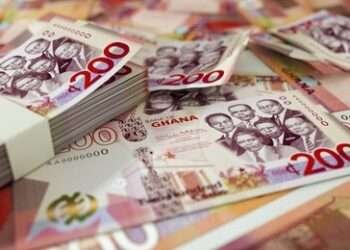
Ghana’s central bank has reduced its benchmark interest rate again in a move aimed at strengthening economic recovery while keeping inflationary pressures under control.
The decision marks the second consecutive reduction this year, reinforcing a policy direction that signals growing confidence in the country’s macroeconomic stability.
At its latest meeting, the Bank of Ghana lowered the policy rate by 150 basis points to 14 percent. The new rate follows an earlier cut in January, when the rate was reduced from 18 percent to 15.5 percent. The latest adjustment underscores the authorities’ intention to ease credit conditions and support productive sectors of the economy.
The policy rate serves as a key signal to commercial banks and financial markets. A lower rate generally reduces borrowing costs for businesses and households, encouraging investment, consumption, and overall economic activity. With this latest move, the central bank is seeking to stimulate lending while maintaining price stability.
Governor Explains Economic Rationale
Speaking at a press conference on March 18, 2026, Governor Johnson Asiama explained that the committee’s decision carefully balanced growth objectives with inflation control.

“Rising geopolitical tensions in the Middle East have deepen uncertainty in the external sector. The bank’s latest forecast suggested that headline inflation would remain within the medium term target. Outside risks to the inflation outlook include the likely pass-through of higher crude oil prices and escalating geopolitical tensions.”
Johnson Asiama
External shocks, especially from energy markets and geopolitical conflicts, continue to pose risks to price stability in import-dependent economies like Ghana. Higher crude oil prices can increase transport and production costs, eventually pushing consumer prices upward.
Despite these risks, the Governor indicated that the central bank’s forward-looking assessments show inflation remaining within its projected medium-term path. This outlook created room for a measured policy easing.
Domestic Conditions Support Policy Shift
The decision was not based solely on global developments. Authorities also evaluated a range of domestic economic indicators before implementing the rate cut. Key among these were trends in credit growth, banking sector performance, and financial stability metrics.

He, however, explained that the committee examined all the likelihood of Ghana’s economy, suffering from external factors and decided to cut the policy rate to 14 percent.
He stated that the assessment was undertaken with an eye on domestic issues and other macro indicators.
“The Monetary Policy Committee has considered the current economic conditions, including subdued credit growth and declining non-performing loans, and decided that a reduction in the policy rate is appropriate to stimulate lending and investment.”
Johnson Asiama
Slower credit expansion in recent months has raised concerns about constrained business activity and limited access to financing. By lowering the policy rate, the central bank aims to make borrowing more affordable, encourage private sector expansion, and unlock investment across key industries.
Supporting Households and Businesses
Beyond macroeconomic indicators, policymakers emphasized the real-life impact of monetary decisions on citizens and enterprises. Lower interest rates can ease financial pressure on households managing loans and help businesses expand operations, hire workers, and increase output.
“Our goal remains to ensure a stable financial system while supporting households and businesses to access affordable credit. This cut is expected to ease borrowing costs and promote economic activity.”
Johnson Asiama
This statement reflects a broader policy approach that connects financial stability with inclusive growth. Affordable credit is particularly important for small and medium-sized enterprises, which form the backbone of Ghana’s economy but often struggle with high financing costs.
Banking Sector Shows Resilience
Despite slower lending growth, the central bank expressed confidence in the strength and resilience of the financial system. Structural reforms and regulatory measures implemented in recent years continue to support sector stability.
The Governor also highlighted that the banking sector remains strong and well-capitalized, despite slower credit growth, noting that, “Total assets in the banking sector have increased, and the stock of non-performing loans has declined, reflecting resilience in the financial system.”

Rising total assets signal expanding balance sheets and improved liquidity across banks. Meanwhile, declining non-performing loans indicate better credit risk management and stronger repayment performance among borrowers. These trends enhance investor confidence and provide a solid foundation for increased lending activity.
Balancing Growth and Stability
The latest policy decision illustrates the delicate balancing act faced by monetary authorities. On one hand, there is a need to stimulate economic expansion and job creation. On the other, inflation control and currency stability remain critical priorities.
By proceeding with a gradual rate reduction, the central bank is signaling confidence in economic recovery while remaining cautious about external risks. The move suggests that policymakers believe current inflation dynamics and financial sector conditions provide sufficient space for supportive monetary action.
As global uncertainties persist, Ghana’s monetary authorities are expected to continue monitoring international developments, commodity price movements, and domestic economic performance to guide future policy adjustments.
For businesses, investors, and households, the rate cut offers cautious optimism. Lower borrowing costs could unlock new opportunities for expansion and consumption, reinforcing the broader recovery momentum.
READ ALSO: Supreme Court Tightens Asset Declaration Regime, Strikes Out 6-Month Window