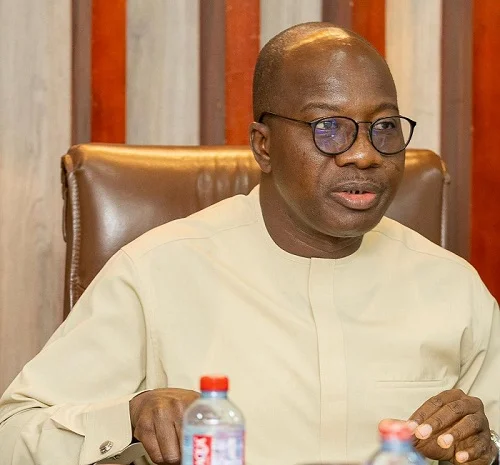
The Majority Leader and Leader of Government Business in Parliament, Hon. Mahama Ayariga, has underscored the need for disciplined leadership and accountability in governance, stating that Ghana’s development challenges are rooted largely in mismanagement rather than lack of resources.
He made these remarks during a meeting in Parliament with the Managing Director and Chief Knowledge Officer of the World Bank Paschal Donohoe and his delegation, where discussions focused on governance, development priorities, and strengthening institutional effectiveness.
According to Hon. Ayariga, the country’s progress depends on the ability of leaders to define clear priorities and engage development partners in a manner that aligns with national interests.
“The problem of our country has always been the mismanagement by people put in charge of running the country. If as leaders we have a clear sense of our priorities and we engage partners on the basis of our priorities, we will be able to make great strides.”
Majority Leader and Leader of Government Business in Parliament, Hon. Mahama Ayariga
The Bawku Central MP emphasized that the Mahama administration is determined to pursue a more focused and disciplined approach to governance. He noted that aligning policy decisions with clearly defined national goals is critical to achieving sustainable development outcomes.
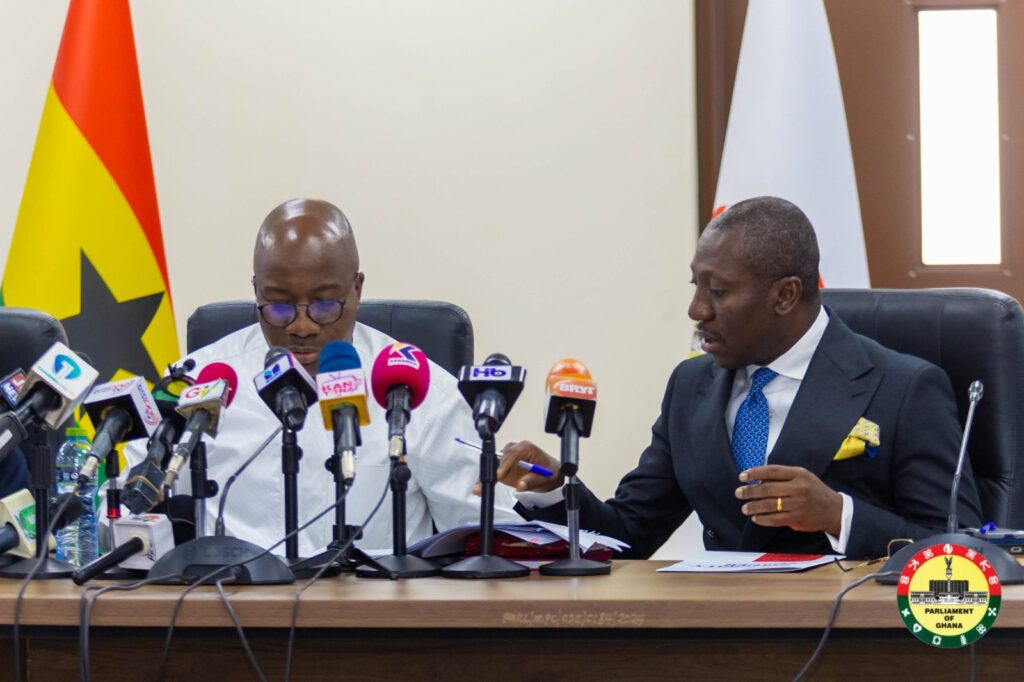
He assured the visiting delegation that the government is committed to improving decision making processes and ensuring that partnerships with international institutions yield tangible benefits for the country.
The Majority Leader stressed that effective leadership requires not only vision but also the political will to implement reforms and maintain consistency in policy direction.
Parliament’s Oversight Role Highlighted
Addressing concerns about parliamentary oversight, Hon. Ayariga rejected the notion that the majority side in Parliament simply endorses government proposals without scrutiny. He insisted that despite holding a strong majority, members of Parliament remain committed to holding the executive accountable.
He explained that this approach is driven by a recognition that public trust and electoral success depend on credibility and accountability. According to him, the electorate is closely monitoring the performance of both the executive and the legislature.
“Let me assure you that we, as a majority, do not blindly approve things brought by our government. We also go through a rigorous scrutiny. Our chances of remaining an overwhelming majority will depend on how credible we are as a purpose because the voters are watching”.
Majority Leader and Leader of Government Business in Parliament, Hon. Mahama Ayariga
Internal Accountability Within the Majority
The Majority Leader Hon Mahama Ayariga, further revealed that members of the majority caucus actively question government ministers on the floor of Parliament, even when they belong to the same political party.
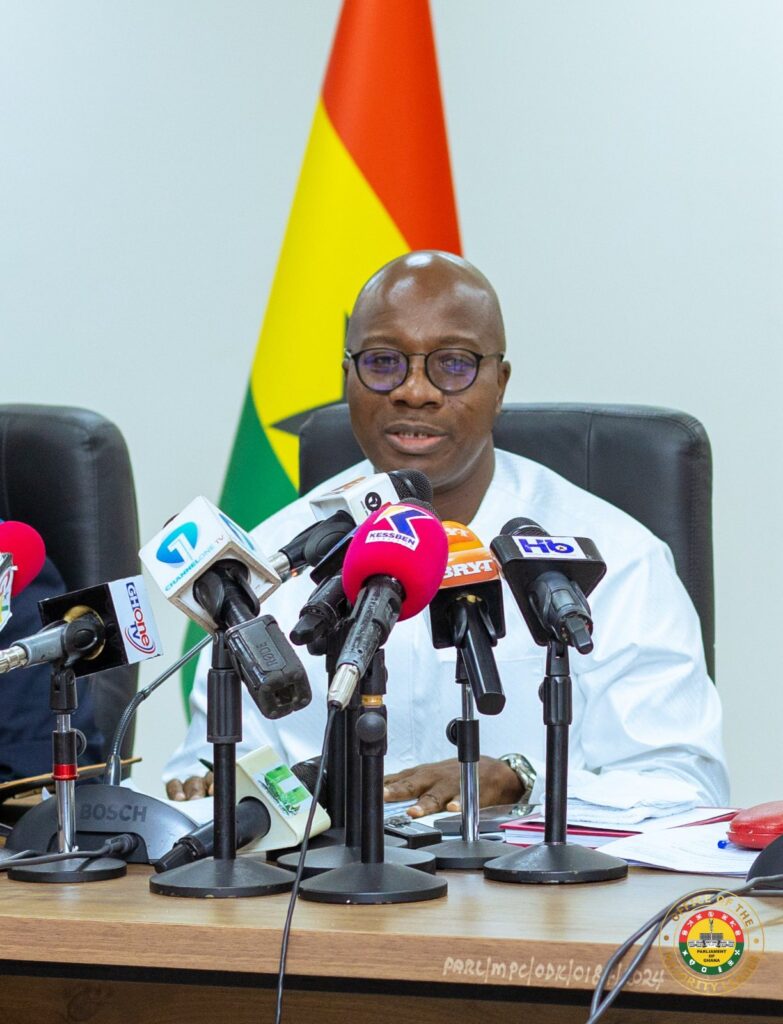
He described this practice as an essential part of ensuring transparency and public accountability. He noted that parliamentary proceedings often feature rigorous questioning of ministers, reflecting a commitment to openness and responsiveness.
“If you look at questions asked of ministers, you find that a lot of the time our members ask the ministers questions on the floor to hold them accountable publicly,” .
Majority Leader and Leader of Government Business in Parliament, Hon. Mahama Ayariga
This, he explained, demonstrates that party affiliation does not prevent Members of Parliament from performing their oversight responsibilities.
Strengthening Democratic Governance
The Majority Leader stressed that Parliament remains a critical institution in Ghana’s democratic framework, serving as a platform for accountability and public scrutiny.
He indicated that ensuring ministers respond to questions in a transparent manner helps reinforce public confidence in governance. According to him, all Members of Parliament are free to question ministers on any issue, and ministers are required to respond openly for the public to assess.
“It does not matter that we are in power. All our Members of Parliament are free to ask every minister any question that they want, and the minister must come and respond for the public to see”.
Majority Leader and Leader of Government Business in Parliament, Hon. Mahama Ayariga
The Bawku Central Member of Parliamnt added that this openness is key to strengthening democratic institutions and promoting responsible governance.
Engaging Development Partners Effectively
The meeting with the World Bank delegation also highlighted the importance of strategic engagement with development partners. Mr Ayariga emphasized that Ghana must take a proactive role in shaping the terms of such partnerships to ensure they align with national priorities.
He suggested that effective collaboration with international institutions can support economic growth and development, provided that engagements are guided by clear objectives and accountability.
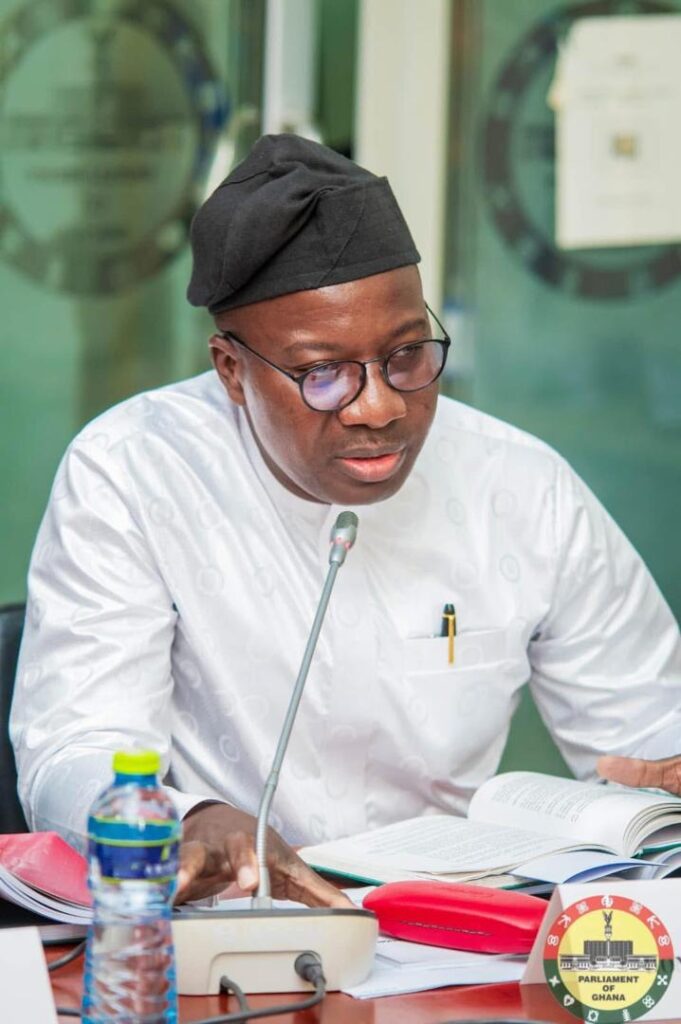
Hon. Ayariga’s remarks reflect a broader effort by the government to reinforce governance structures and promote accountability across institutions. By emphasizing the role of Parliament in scrutinizing executive actions, he signaled a commitment to strengthening checks and balances within the political system.
The focus on mismanagement as a key challenge also points to the need for reforms aimed at improving efficiency and transparency in public administration.
As Ghana continues to engage with international partners and pursue development goals, the emphasis on accountability and strategic leadership is expected to remain central to policy discussions.
READ ALSO: Bank of Ghana Slashes Policy Rate to 14%