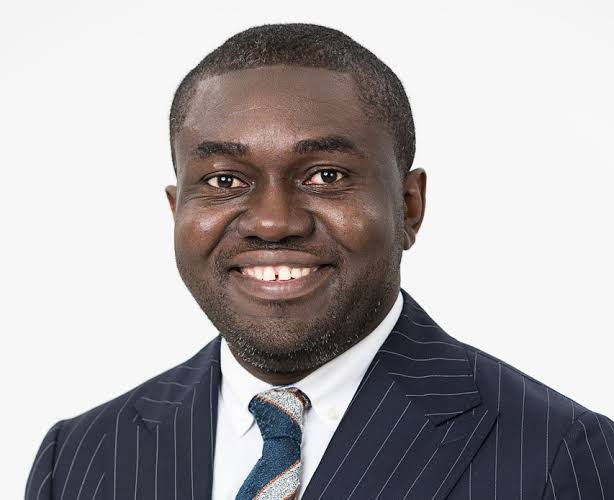
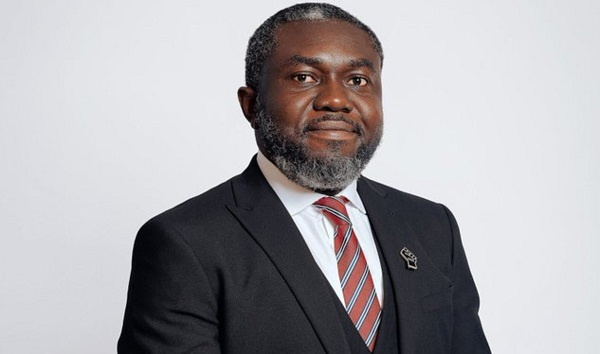
The Secretary to the Constitutional Review Implementation Committee, Osagyefo Oliver Barker-Vormawor, says the committee will have failed only if the coming referendum draws fewer than 40 percent of eligible voters to the polls.
He told The Vaultz News in an exclusive interview at his Accra office that a decision by Ghanaians to reject the proposed amendments would count as a success rather than a defeat. The distinction places the burden of the exercise on participation instead of approval, and it reframes what the committee is actually being asked to deliver.
Barker-Vormawor argues that turnout depends on whether the process feels open and whether the questions on the ballot are ones ordinary voters can answer, which is why he is already arguing against a single consolidated question.
The Threshold That Decides The Referendum
Asked how he would judge his own performance, Barker-Vormawor pointed to a number rather than an outcome. “A failure point will be if we go to a referendum and we don’t meet the threshold, which is the 40% threshold for people to participate,” he said.
The figure comes from the constitution itself. Amending an entrenched provision requires that at least 40 percent of registered voters take part in the referendum and that at least 75 percent of those who vote approve the change. The turnout hurdle is therefore a gate the reform package must clear before the question of public support even arises.
Barker-Vormawor is explicit that clearing it is the committee’s job, while the verdict is not. “But if people vote against it, we have met the success indicators.” He framed that position as a matter of who holds the authority. The choice belongs to Ghanaians, he said, “and not for us to bulldoze our way through that.”
Why Turnout Is The Harder Test
The arithmetic explains his anxiety. Ghana’s last national experience of this kind came in 2019, when the referendum on electing metropolitan, municipal and district chief executives was called off before polling. The exercise that created six new regions in 2018 was confined to the affected areas and never tested national mobilisation.
A 40 percent floor across the entire register is a different order of task. It asks a country accustomed to presidential and parliamentary contests, where partisan machinery does the mobilising, to turn out for a vote with no candidate on the ballot and no obvious incentive for either party’s ground game to work at full strength.

That places an unusual weight on civic education and ballot design, which is where Barker-Vormawor’s second concern enters.
A Single Question And The Risk To Participation
He rejected outright the idea of asking voters to accept every proposed change in one stroke. “And by a real franchise, I mean when you present to them one question, do you accept all these changes at once? I believe that that is not a real franchise.”
He indicated that the instruction may point that way regardless. “The government’s brief to us seems to suggest that’s the approach,” he said, adding that he sees pushing back on it as part of his role.
The link to the threshold is direct. A voter who supports reserved parliamentary seats but objects to a longer presidential term has no way to register that distinction on a single ballot question, and the rational response for anyone holding mixed views is to stay home.
A package presented as one indivisible bargain risks suppressing the very turnout the amendment needs.
Openness, Transparency And The Questions Themselves
Alongside the numbers, Barker-Vormawor listed a set of process tests he expects the committee to be measured against. They cover whether Ghanaians feel the exercise is open enough and transparent enough, whether the issues placed before the public are too convoluted, and whether people end up exercising a genuine franchise at all.
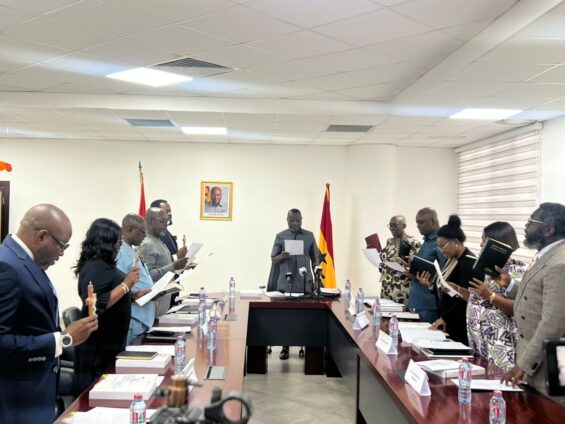
Each of those feeds back into participation. Complexity depresses turnout, opacity breeds suspicion, and a public that cannot follow what is being asked has little reason to queue on referendum day.
What This Committee Has That The Last One Lacked
Barker-Vormawor draws a line between the policy process that produces recommendations and the technical process of turning them into law, and he says Ghana has reached the second stage only twice.
The earlier attempt sat with the committee led by Professor Albert Fiadjoe, which was meant to convert the review report and the government white paper into draft amendment bills and never delivered.
Its invisibility is what he fixes on. “In fact, many people did not even know of that CRIC. It did not have any public outlook.” A body nobody knew existed could hardly have built a constituency capable of driving 40 percent of the register to the polls.
He points to three changes this time. The mandate now extends beyond amendment bills into ordinary legislation, work with the Council of State on operating procedures, and engagement with Parliament on standing orders reform to widen public participation.
The president, in his account, treats the project as his legacy. And the governing side holds close to a two-thirds majority in Parliament, which can move reforms as easily as block them, though his own recommendation remains that constitutional amendment should proceed by consensus rather than by weight of numbers.

None of that guarantees the threshold. The committee has set itself a target it cannot hit through drafting alone, and the machinery that normally delivers Ghanaian turnout answers to parties rather than to technicians.
If the questions reach the ballot in a form voters cannot separate, the reform effort could fail on an empty polling station rather than on its merits, and the country would be left without a clear reading of what Ghanaians actually wanted.
READ ALSO: Boris Johnson Condemns Russian Drone Strike Near Ukraine-Poland Border